Building a smaller wardrobe can make daily dressing calmer, faster, and more intentional. However, learning how to build a capsule wardrobe requires more than copying a minimalist checklist. Your lifestyle, climate, work routine, and comfort preferences should guide every choice. A polished wardrobe for a city professional may fail for someone who walks, travels, or works outdoors.
This guide presents ten practical tips based on reliable wardrobe planning principles and real dressing challenges. You will learn how to review your existing clothes, identify useful color combinations, and choose versatile pieces. A navy blazer, white shirt, straight-leg trousers, and comfortable leather shoes can create several dependable outfits. Small details matter. Fabric weight, pocket design, fit, and washing requirements affect how often you wear each item.
Keep your real habits visible. Do not build a fantasy wardrobe. If you rarely wear heels, adding three pairs will not transform your style. I made that mistake myself. Some “essential” lists also feel too rigid, especially when they ignore personal expression or seasonal needs. A capsule wardrobe should support your life, not restrict it. You may need more knitwear, brighter colors, or practical outerwear than popular guides recommend.
Each tip encourages thoughtful editing rather than unnecessary shopping. You will also find ways to test garments before buying them, track repeated outfits, and adjust your collection over time. The goal is not owning the fewest pieces. It is creating a dependable wardrobe where most items earn their space, feel comfortable, and work together without constant effort. That standard is practical, measurable, and easier to maintain.
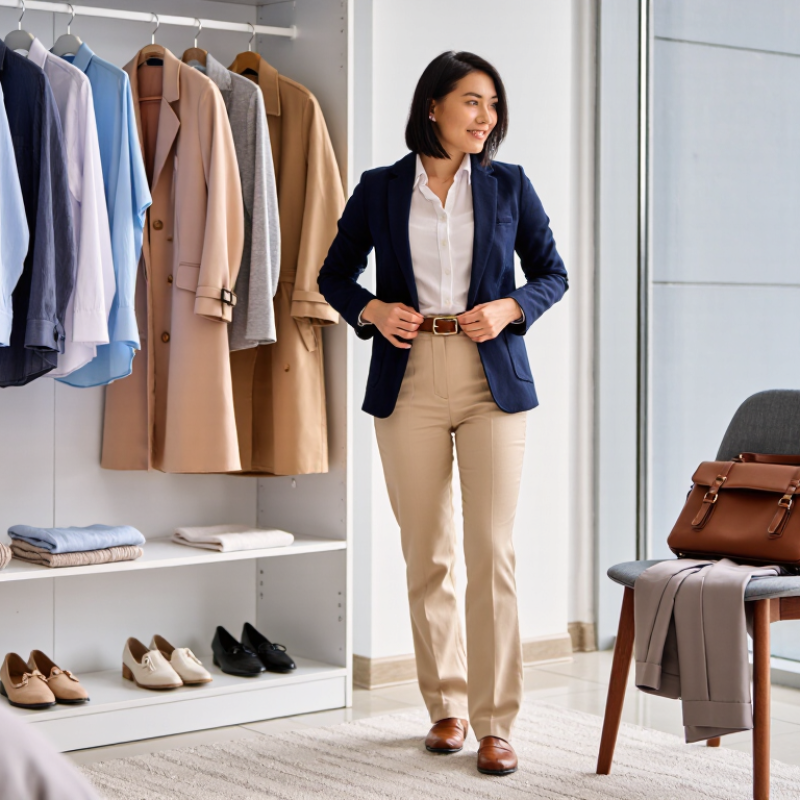
A capsule wardrobe begins with honest self-knowledge, not a shopping list. Study your weekly routine. Do you commute, work remotely, attend formal events, or spend weekends outdoors? Your clothes should support real activities, not an imagined lifestyle. I recommend recording what you wear for two weeks. Note repeated outfits, uncomfortable fabrics, and items that remain untouched.
Define your personal style with practical words such as relaxed, polished, artistic, or minimal. Choose three descriptions that feel accurate. Then examine your existing wardrobe in daylight. Keep pieces that fit well, feel comfortable, and combine easily. A neutral base can help, but personal color preferences matter more than rigid rules. Your wardrobe should reflect your life and personality.
Test combinations before buying anything. A useful capsule might include versatile tops, reliable trousers, one warm layer, and shoes for your daily movement. The exact number depends on laundry habits, climate, and work requirements. Leave space for weather changes. Keep a simple outfit formula nearby, such as a soft shirt, straight trousers, and a structured layer. It saves time.
Do not force perfection. A carefully chosen item may still feel wrong after a month. That is useful evidence, not failure. I once kept an attractive jacket because it looked practical, although its stiff fabric discouraged regular wear. Try each piece during a normal day, including sitting, walking, and carrying a bag. Your real habits reveal more than a tidy wardrobe plan.
| No. | Capsule Wardrobe Tip | What to Assess | Practical Action | Suggested Target | Expected Benefit |
|---|---|---|---|---|---|
| 1 | Define Your Personal Style | Preferred colors, silhouettes, patterns, and levels of formality. | Create a short style profile using three to five descriptive words, such as classic, relaxed, polished, or minimal. | 3–5 style words | Makes future purchases more consistent and easier to evaluate. |
| 2 | Audit Your Current Wardrobe | What you wear regularly, what fits well, and what remains unused. | Sort items into keep, repair, donate, resell, and seasonal-storage categories. | Review every item | Reveals wardrobe gaps and reduces duplicate purchases. |
| 3 | Match Clothing to Your Lifestyle | Work, commuting, exercise, social events, climate, and time spent at home. | Estimate how often each activity occurs and prioritize clothing for the activities that fill most of your week. | Use weekly percentages | Creates a practical wardrobe instead of an idealized one. |
| 4 | Choose a Coordinated Color Palette | Colors that suit your preferences and combine easily with existing pieces. | Select two or three base colors, two accent colors, and optional neutral tones. | 5–7 core colors | Increases the number of outfits that can be created from fewer items. |
| 5 | Prioritize Versatile Essentials | Items that work across multiple outfits, seasons, and settings. | Build around dependable basics such as comfortable trousers, simple tops, knitwear, a jacket, and suitable footwear. | 60–70% essentials | Improves outfit flexibility and simplifies daily decisions. |
| 6 | Select the Right Quantity | Laundry frequency, storage space, climate, and access to clothing care. | Set a personal limit based on actual wear rather than a fixed universal number. | 25–40 core items | Balances variety, convenience, and manageable storage. |
| 7 | Check Fit and Comfort | Movement, fabric feel, proportions, garment condition, and confidence when worn. | Keep only pieces that fit your current body and allow comfortable movement for their intended use. | Comfortable immediately | Increases wear frequency and prevents “just in case” clutter. |
| 8 | Build Outfit Formulas | Reliable combinations that suit your schedule and personal style. | Create repeatable formulas such as knit top plus trousers plus loafers or shirt plus jeans plus jacket. | 5–8 formulas | Reduces decision fatigue while keeping outfits presentable. |
| 9 | Plan for Seasonal Changes | Temperature, rainfall, layering needs, and changes in daily activities. | Keep a stable core and rotate weather-specific layers, outerwear, and footwear. | Seasonal review: 2–4 times yearly | Keeps the wardrobe relevant without replacing everything each season. |
| 10 | Use a Thoughtful Shopping Rule | Quality, cost per wear, care requirements, and compatibility with existing clothes. | Before buying, confirm that the item works with at least three existing pieces and fills a genuine need. | Three-outfit test | Supports intentional purchases and helps maintain a cohesive wardrobe over time. |
Note: Suggested quantities are flexible guidelines. The ideal capsule wardrobe depends on climate, occupation, laundry habits, personal preferences, and lifestyle.
Start with three neutrals, one soft light shade, and two accents. Charcoal, cream, and navy create a calm foundation. Olive or rust adds character. Choose colors for real mornings, not imaginary lifestyles.
Try two everyday tops, two polished shirts, one knit, and three bottoms. Add a simple dress or tailored layer when your schedule requires it. Every item should match at least three others. Keep the system flexible.
Lay the garment beside your existing bottoms and tops. Check for at least three complete combinations. If only one pairing works, leave it. That piece may become expensive clutter.
Empty the wardrobe onto your bed, including scarves and damaged socks. Create three groups: wear often, repair soon, and release. For uncertain items, use a sealed box for 30 days. You may still change your mind.
No. Repair loose buttons, remove pilling, and clean stains first. A damaged shirt may need only ten minutes of care. Unwearable fabric can become a cleaning cloth. Recycling rules vary locally.
Test every garment while sitting, walking, and reaching. Look for soft seams, useful pockets, and easy movement. A jacket can look perfect on a hanger but fail on a crowded train. Comfort matters daily.
Choose one comfortable walking shoe, one weather-ready option, and one refined pair. Outerwear should coordinate with most bottoms. Shoes control many outfits. Do not ignore them.
Track ten outfits you already wear. Note repeated colors, fabrics, missing layers, and uncomfortable pieces. Avoid duplicates until you have washed favorites repeatedly. My own system still needs revision.
Learning how to build a capsule wardrobe begins with understanding your personal style, daily lifestyle, and practical clothing needs. Consider the activities you regularly do, the climate you live in, and the types of outfits you feel most confident wearing. Then select a simple, versatile color palette and focus on essential categories such as tops, bottoms, layers, dresses, shoes, and accessories. A coordinated palette makes it easier to combine fewer pieces into many useful outfits.
Next, review your existing clothes and remove items that no longer fit, suit your lifestyle, or receive regular wear. Replace gaps with carefully chosen, well-made essentials that offer comfort, durability, and flexibility. Try creating complete outfits rather than collecting isolated pieces, ensuring that each item works with several others. Finally, maintain your capsule wardrobe by repairing, organizing, and reassessing it as seasons change. Adapt fabrics, layers, and accessories when necessary while keeping the overall collection focused, practical, and true to your personal style.

 Sebs Fashion