Building a sustainable wardrobe is not about owning fewer clothes at any cost. It is about making better decisions before, during, and after each purchase. This 2026 guide explains how to build a sustainable wardrobe through practical habits, credible research, and realistic personal experience. Start with your actual lifestyle: a navy blazer used weekly may create more value than an unworn “eco” garment made from impressive materials.
The scale of fashion’s impact makes this approach necessary. The United Nations Environment Programme reports that textiles generate approximately 2–8% of global greenhouse-gas emissions and consume about 215 trillion litres of water annually. These figures reveal why fabric choice, garment lifespan, washing, and disposal all matter. The Ellen MacArthur Foundation also reports that one truckload of textiles is landfilled or burned every second globally. That image is difficult to ignore. A crowded wardrobe can hide a serious resource problem.
Practical change begins with a wardrobe audit. Photograph every item, note repeated outfits, and separate damaged pieces from genuinely unwanted ones. Check fibre labels, construction quality, repair potential, and brand transparency. The European Environment Agency stresses that longer use can significantly reduce textile consumption impacts, although durability claims are not always easy to verify. That is an uncomfortable limitation. No wardrobe becomes perfectly sustainable. Even recycled fibres, second-hand purchases, and low-impact washing involve trade-offs. The goal is measurable improvement, not moral perfection. Buy less often, choose versatile pieces, repair visible damage, wash selectively, and donate only when reuse is realistic. Small decisions become credible progress when they survive ordinary life.
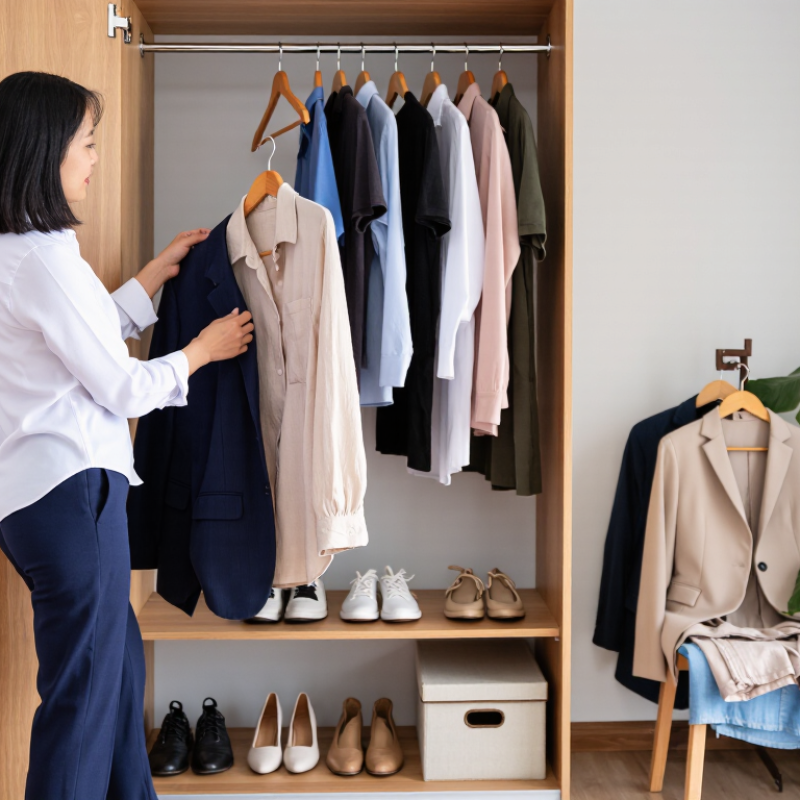
A sustainable wardrobe begins with a measurable personal goal, not a perfect aesthetic. I recommend choosing one priority: buy fewer items, repair more often, or avoid synthetic fibers. Write it on paper. A visible target makes impulsive shopping easier to question.
Start with a careful clothing audit. Empty every drawer and place garments into four groups: weekly wear, seasonal wear, repair, and no longer useful. Record each item’s material, purchase date, wear frequency, and condition. A white shirt with loose buttons tells a different story from an unworn jacket. Track your actual habits for thirty days. My own audit exposed duplicate trousers and several “emergency” purchases that remained untouched.
Use evidence when setting targets. The United Nations Environment Programme reports that textiles create up to 8% of global greenhouse-gas emissions. WRAP research found that extending clothing use by nine months can reduce carbon, water, and waste footprints by about 20–30%.
Set a practical benchmark, such as wearing each regular item at least 30 times before replacing it. This is not a universal rule. Work uniforms, climate, accessibility, and laundry needs matter. Keep a simple wear log on your phone, then review it monthly. Some choices may still be inconsistent. That is useful information, not failure.
Building a sustainable wardrobe starts with materials that serve you for years, not weeks. Durability matters because the greenest garment is often the one you already own. In my own closet, tightly woven cotton, linen, hemp, and responsibly sourced wool have survived repeated washing better than fragile blends. Check the seams, fabric weight, and care label before buying. A loose thread can reveal poor construction.
Low-impact materials still need careful examination. Recycled fibers can reduce demand for new resources, but some synthetic fabrics release microfibers during washing. Use cooler cycles and a washing bag when appropriate. Linen and hemp usually require fewer agricultural inputs, yet their processing and transport still create impacts. “Natural” does not automatically mean ethical.
Look for clear fiber percentages, traceable production information, and independent labor or environmental certifications. Organic cotton may reduce pesticide use, but it does not guarantee fair wages. Ask whether workers receive safe conditions and lawful pay. Be skeptical of vague claims such as “eco-friendly” without evidence. That matters.
My own choices are not perfect. I have bought durable pieces that traveled too far, and recycled garments I rarely wear. A useful wardrobe needs both responsible materials and frequent use. Repair a loose hem with matching thread. Air-dry sturdy fabrics. Store wool clean and folded. These small habits protect the material already in your hands.
Global fiber production is dominated by polyester and cotton. A more sustainable wardrobe can reduce impact by choosing durable garments, extending use, and considering lower-impact or recycled alternatives where they meet performance needs.
The chart shows the estimated global share of fiber production by material category in 2023. These figures describe production volume, not sustainability performance.
Source: Textile Exchange, Materials Market Report 2024.
2026 Best Guide: How to Build a Sustainable Wardrobe?
Building a sustainable wardrobe starts with thoughtful purchasing, not constant replacement. Before shopping, inspect your current clothes and identify repeated gaps. I once bought three similar black sweaters because I ignored that habit. A written list would have prevented that waste.
Choose pieces that work with at least three outfits. Check the fabric composition, stitching, buttons, and care instructions. Natural fibers can feel comfortable, but durability depends on construction and maintenance. Consider secondhand clothing when the condition is clear. Ask whether you will wear each item at least thirty times. If the answer feels uncertain, wait seven days before buying. That pause matters.
Tips: Keep a small wardrobe record with purchase dates, costs, and repair needs. Wash less often when appropriate, use cool water, and air-dry delicate garments. Learn simple repairs, such as replacing a button or closing a loose seam. For difficult damage, consult a qualified tailor or repair professional. Avoid buying only because an item is discounted. A cheap garment can become expensive when it stays untouched. My wardrobe still includes imperfect choices, and that is useful evidence. It shows where impulse, poor fit, or unrealistic lifestyle planning influenced my decisions.
Use this planning table to create a smaller, more adaptable wardrobe. Quantities are suggested ranges rather than fixed rules; adjust them for climate, work requirements, laundry access, lifestyle, and personal comfort.
| Wardrobe Role | Suggested Quantity | Versatility Features | Material Considerations | Care and Longevity Practices | Purchase Decision Check |
|---|---|---|---|---|---|
| Everyday Tops | 5–8 pieces |
|
Choose durable, comfortable fabrics such as cotton, linen, hemp, wool, or well-made blends. Check the fiber composition and fabric weight before buying. | Wash only when necessary, follow the care label, and air-dry when suitable. Repair loose seams and replace missing buttons promptly. | Can it be worn with at least three existing bottoms and under one or more layers? |
| Trousers and Jeans | 3–5 pairs |
|
Look for sturdy construction, reinforced stress points, and a fabric weight appropriate for the climate. Lower-stretch fabrics may retain shape longer, depending on construction and use. | Air garments between wears. Wash less frequently when clean, turn dark garments inside out, and mend worn hems or pockets before damage spreads. | Does the fit allow sitting, walking, and movement without excessive pulling at seams? |
| Skirts or Alternative Bottoms | 1–3 pieces |
|
Select fabrics that match the intended use. Natural fibers can offer breathability, while some blends may improve crease resistance or durability. | Use a garment bag for delicate items, avoid unnecessary tumble drying, and store structured pieces on suitable hangers. | Can the item work for casual, polished, and seasonal outfits through styling or layering? |
| Knitwear and Warm Layers | 2–4 pieces |
|
Inspect knit density, seam quality, and recovery after gentle stretching. Wool, cotton, linen, and recycled fibers each have different care requirements. | Fold knitwear instead of hanging it, remove pills carefully, and wash according to the label. Allow garments to dry fully before storage. | Does the layer fit comfortably over your usual tops without restricting movement? |
| Dresses or One-Piece Outfits | 1–3 pieces |
|
Choose opaque, comfortable fabric with strong seams. Consider washable materials when frequent professional cleaning would be impractical. | Follow washing instructions, inspect underarm and hem areas, and repair small snags before they become larger tears. | Can accessories, footwear, or an additional layer change the look for at least three occasions? |
| Outerwear | 2–3 pieces |
|
Prioritize weather suitability, lining quality, secure closures, and repairable components. Select insulation and shell materials based on actual climate needs. | Clean according to the care label, brush off surface dirt, and repair broken closures or loose linings early. Store clean and completely dry. | Does it protect you from the conditions you regularly experience without duplicating an existing layer? |
| Footwear | 3–5 pairs |
|
Check sole construction, stitching, interior comfort, and available repair options. Materials should match the intended weather and frequency of use. | Rotate pairs when possible, let footwear dry naturally, remove dirt promptly, and replace worn heel tips or soles when practical. | Can you walk comfortably for the length of a normal day without pressure points? |
| Underwear and Socks | 7–14 sets or pairs |
|
Select breathable, skin-friendly fibers and strong elastic. Avoid buying large quantities before confirming fit and comfort. | Use the recommended wash temperature, avoid excessive heat when it damages elastic, and replace items when they no longer provide proper support. | Is the item comfortable after movement, washing, and a full day of wear? |
| Occasionwear | 1–2 outfits |
|
Favor durable construction and fabrics that can be maintained at home when appropriate. Consider second-hand or rental options for infrequent use. | Air after use, spot-clean small marks, and store in a breathable garment bag when protection is needed. | Will it be worn again for another event, work setting, celebration, or formal occasion? |
| Accessories | 5–10 useful pieces |
|
Examine hardware, stitching, lining, and edge finishing. Choose materials that can withstand the way the accessory will be used. | Keep bags lightly filled, clean surfaces according to instructions, and store small items where they cannot become tangled or scratched. | Can this accessory create at least three different outfit combinations? |
| Repair and Care Supplies | 1 basic kit |
|
Choose reusable tools and keep basic supplies available. The most sustainable repair kit is one that is easy to use regularly. | Inspect garments seasonally, repair before storage, and keep a simple record of items needing alteration or maintenance. | Can a small tear, loose button, missing hook, or frayed hem be fixed before buying a replacement? |
| Purchase Review | Before every purchase |
|
Review fiber content, care requirements, expected use, and repairability. No single fiber is ideal for every garment or climate. | Estimate the maintenance time and cost before buying. A garment that is difficult to care for may receive less use. | If the item is not needed immediately, wait 24–48 hours and reassess whether it solves a specific wardrobe problem. |
A sustainable wardrobe begins with maintenance, not constant replacement. I now check care labels before washing, because heat and friction quietly weaken fabric. I wash most clothes less often, using cold water and gentle cycles. Air-drying helps prevent shrinkage and saves energy. According to the United Nations Environment Programme, textiles create around 2–8% of global greenhouse-gas emissions. Every extra wear matters.
Repairing small damage early is practical. A loose button takes minutes to sew. A thin elbow may need a patch before the hole spreads. The WRAP report Valuing Our Clothes found that extending a garment’s life by nine months could reduce its carbon, water, and waste footprints by about 20–30%. I still make mistakes. I have delayed repairs until they became harder. That habit needs honest attention. A slightly uneven stitch is better than immediate disposal.
Tips: Store knitwear folded. Hang structured garments on broad hangers. Empty pockets before washing. Remove lint with a soft brush. Treat stains quickly with mild soap and cool water. Keep a small repair kit nearby. The Ellen MacArthur Foundation reports that clothing use has fallen significantly over recent decades, so wearing each item longer is a measurable environmental choice. Photograph difficult stains or damaged seams, then seek qualified repair advice instead of guessing. Proper care is not perfection. It is repeated effort.
A sustainable wardrobe begins with a realistic review of what you already own. Remove damaged, uncomfortable, and unworn garments from your closet. Check each item under good light. Small holes may need repair, while heavy stains can limit reuse. I once kept a shirt because it felt sentimental, although I never wore it. That choice taught me that intentions do not reduce textile waste. Keep useful pieces, but question the rest honestly.
Tips: Resell clean, desirable garments with accurate measurements and clear photos. Mention flaws, missing buttons, or fabric wear. Give buyers enough information to make a responsible choice. For donations, wash and dry clothing first. Donate only items that another person could reasonably wear. Wet, moldy, or badly damaged garments may be rejected. Ask local collection centers about their current acceptance rules. Policies can change.
Garments unsuitable for resale or donation may still have value. Cotton shirts can become cleaning cloths, storage bags, or patching material. Some textile collection services separate fibers for recovery, but not every collected item becomes new clothing. Avoid placing textiles in ordinary recycling unless your local program specifically accepts them. This is easy to misunderstand. Responsible disposal requires a little research. It also requires patience. A nearly empty wardrobe is not automatically sustainable if it encourages frequent replacement. Buy fewer pieces, maintain them carefully, and allow some imperfections to remain.
Tightly woven cotton, linen, hemp, and responsibly sourced wool can last through repeated washing. Check fabric weight, seams, and care labels. A loose thread is a warning sign.
No. Natural fibers still involve farming, processing, and transportation impacts. “Natural” does not automatically mean ethical. Look for clear fiber percentages and traceable production information.
Recycled fibers can reduce demand for new resources. Some synthetic fabrics may release microfibers during washing. Use cooler cycles and a suitable washing bag when appropriate.
Inspect your wardrobe before shopping. Write down genuine gaps. Choose pieces that create at least three outfits. Waiting seven days can expose an impulse purchase.
Examine stitching, buttons, fabric composition, and care instructions. Consider whether you will wear it at least thirty times. A discount does not make an unused garment valuable.
Wash items less often when suitable. Use cool water and air-dry sturdy fabrics. Repair a loose hem with matching thread. Store wool clean and folded.
Donate clean, dry garments that another person could reasonably wear. Mention serious flaws when reselling. Wet, moldy, or badly damaged clothing may be rejected.
Turn cotton shirts into cleaning cloths, storage bags, or patching material. Check local textile collection rules first. Collected fabric does not always become new clothing.
Not necessarily. A nearly empty closet may encourage frequent replacement. My own choices remain imperfect. Durability matters, but frequent use matters too.
Building a sustainable wardrobe begins with clear personal goals and an honest review of what you already own. Instead of following short-lived trends, identify the styles, colors, and garments you truly wear, then choose durable, ethically produced, and lower-impact materials whenever possible. Learning how to build a sustainable wardrobe means buying less but choosing better, focusing on versatile pieces that can be combined across seasons and occasions. Thoughtful purchasing also includes considering fit, quality, usefulness, and the long-term value of every item before bringing it home.
Sustainability continues after purchase. Wash clothes carefully, follow proper care instructions, repair minor damage, and store garments well to extend their useful life. When something no longer suits you, consider reselling, swapping, or donating it responsibly. Clothing that cannot be reused should be directed to appropriate textile recycling programs where available. Through mindful choices, regular care, and responsible disposal, anyone can create a practical wardrobe that reduces waste and supports a more sustainable lifestyle.

Sebs Fashion