In 2026, understanding "what colors look best on different skin tones" has become crucial for personal style. Recent reports indicate that 80% of people feel more confident when they wear colors that complement their complexion. This statistic underscores the importance of choosing the right palette. Expert stylist Lisa Adams states, "The right color can transform not only your outfit but your entire demeanor."
As color theory evolves, so does the advice for matching shades to skin tones. For example, warm undertones often shine in earthy colors while cool undertones can radiate in jewel tones. Observing these trends can be enlightening yet challenging. Personal preferences and cultural influences complicate matters, leading many to question their choices.
Remember, not every color works for everyone. Some shades may highlight imperfections, while others can flatter effortlessly. Continuous exploration is necessary. Choosing color should be a thoughtful process, considering both personal style and skin tone. Reflecting on how colors affect your appearance can redefine your wardrobe.
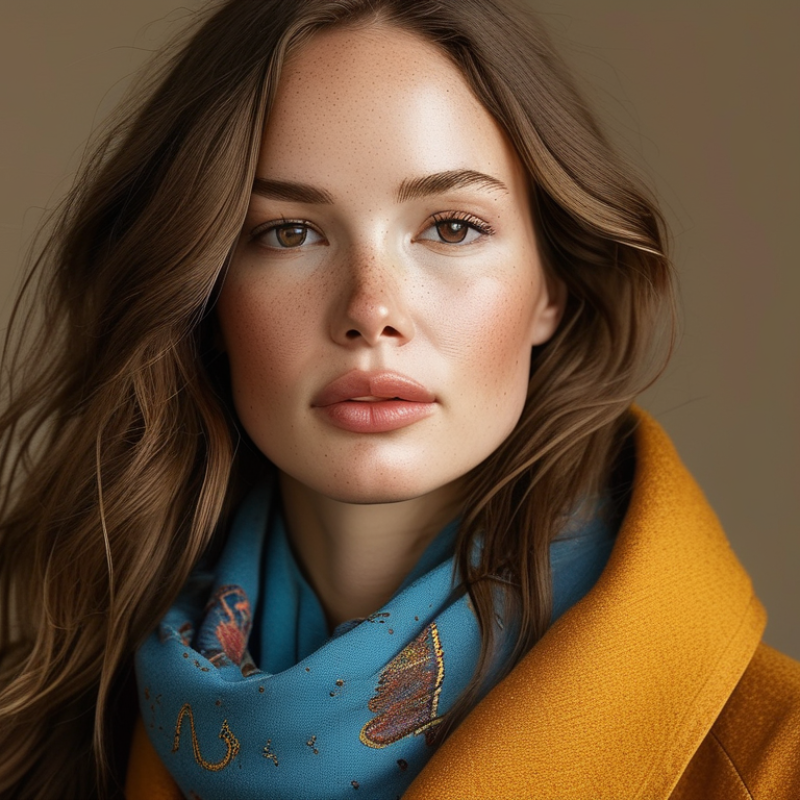
Understanding Skin Tones: Types and Categories
Understanding your skin tone is crucial in selecting the best colors for your wardrobe.
Skin tones generally fall into three categories: warm,
cool, and neutral.
According to a 2022 study by the Color Association of the United States, 35% of people identify as having
warm undertones, while 30% are cool-toned. The remaining 35%
fall into the neutral category. Knowing this helps in making more intentional fashion choices.
Warm skin tones often have golden,
peachy, or yellow undertones.
Colors like coral, olive green, and
warm browns can enhance this natural hue.
In contrast, cool tones usually carry pink,
red, or blue undertones.
Jewel tones like emerald and sapphire work well for cool-toned individuals.
Neutral tones can wear a wider array of colors but may lean towards muted shades.
Surprisingly, many people still wear colors that clash with their undertones.
A report by the Fashion Institute showed that 70%
of individuals surveyed often stick to colors they like, even if they don't suit their skin.
Reflecting on this can lead to better choices.
It’s essential to experiment and adjust based on how colors make you feel. Personal preference is important but
understanding your skin tone can elevate your style significantly.
Identifying Your Undertone: Warm, Cool, or Neutral
Identifying your skin's undertone is crucial for choosing the best colors. It can enhance your natural beauty. There are three main undertones: warm, cool, and neutral. Knowing yours helps in selecting clothing, makeup, and accessories that flatter you.
Warm undertones generally feature golden or peachy hues. If you have this undertone, earth tones, warm reds, and oranges complement your skin. Look for colors that echo the warmth of your skin.
Cool undertones, on the other hand, exhibit pink, red, or blue hints. Jewel tones like emerald green, sapphire blue, and rich purples can brighten your appearance. Your clothing choices should reflect these tones.
Neutral undertones fall in between. This allows more versatility in color choices. Those with neutral tones can wear both warm and cool shades, which provides a unique opportunity for personal style. However, it can also lead to confusion when selecting colors.
Experimenting with different shades might reveal surprising results. Knowing your undertone takes time and reflection, but the payoff in your wardrobe can be significant.
Best Colors for Warm Undertones: Shades That Radiate
Choosing the right colors for warm undertones can elevate your style in 2026. Warm tones include shades with yellow, peach, or golden hues. These colors complement your natural warmth and bring out your glow. Shades like earth tones, warm reds, and bright yellows are perfect for this skin tone. Consider wearing olive green or warm browns for a sophisticated look.
Tips: Experiment with rich colors. Wearing burnt orange or copper can instantly brighten your outfit. Even a deep mustard can add depth to your appearance. Try mixing warm colors with neutral shades for balance. This way, you create a versatile wardrobe.
Don't shy away from bold patterns. Stripes or floral prints in warm colors can enhance your features. Remember, not all warm colors suit everyone. Trust your instincts and have fun while discovering what makes you feel confident. Try different combinations to see what resonates with your personal style.
Best Colors for Cool Undertones: Hues That Enhance
Choosing the right colors for your skin tone can significantly enhance your appearance. For those with cool undertones, specific hues can create a stunning contrast that highlights your natural beauty. According to a study from the Color Association of the United States, shades like jewel tones are particularly flattering for this skin type. Think royal blue, emerald green, and deep purple. These colors bring out the brightness in cool undertones.
When selecting outfits, consider incorporating icy shades. Soft pastels like lavender and mint can also work wonders. Pastels might feel delicate but can transform your look when styled appropriately. Meanwhile, avoid overly warm colors, as they could wash you out.
Tips: Experiment with various shades to discover what feels right. Don’t rush the process—sometimes, the best colors are those that resonate with your personality. Remember, reflection on your choices is vital. Take photos in different lighting to see how each color complements your skin. Trust your instincts; your choices should empower you.
Best Colors for Your Skin Tone in 2026 Which Suit You? - Best Colors for Cool Undertones: Hues That Enhance
| Color |
Hex Code |
Description |
| Cool Blue |
#0033cc |
A vibrant, refreshing blue that brightens fair skin. |
| Lavender |
#E6E6FA |
A soft and gentle hue that complements pink undertones. |
| Emerald Green |
#50C878 |
Rich green that highlights cool skin tones beautifully. |
| Charcoal Gray |
#36454F |
A deep gray that provides a sophisticated contrast. |
| Berry Purple |
#A80073 |
A bold, juicy tone that radiates warmth on cool skin tones. |
Mixing and Matching: Creating a Capsule Wardrobe for Your Tone
Creating a capsule wardrobe that complements your skin tone is both an art and a science. Start by identifying your skin's undertone—cool, warm, or neutral. For cool undertones, look for jewel tones like emerald and sapphire. Warm undertones thrive in earthy shades like terracotta and olive. Neutrals can often wear a mix of both but should focus on shades that enhance their natural glow.
When mixing and matching, prioritize versatility. Choose a few key pieces in your best colors, such as a tailored blazer, a classic white shirt, and well-fitted trousers. These items can be dressed up or down. Incorporate accessories in bold colors to add interest. Scarves, belts, or bags can transform an outfit easily. Experimenting with textures can also elevate your look, so don't hesitate to mix denim with silk or cotton with leather.
Tips: Always consider fabric choice. Colors can look different depending on texture. If you’re unsure, try on clothing in natural light to see how colors interact with your skin tone. Remember, it’s essential to reflect on what colors boost your confidence. Have fun with your wardrobe and don’t stress perfection; it’s about what makes you feel good. Keep refining your style as you learn what works best for you.
Best Colors for Your Skin Tone in 2026
This chart illustrates the color preferences based on different skin tones for the year 2026. Warm undertones are predicted to prefer warmer shades, while cool undertones gravitate towards cooler shades. Neutral undertones show a balanced affinity towards both categories.
Conclusion
In the article "Best Colors for Your Skin Tone in 2026 Which Suit You?", readers are guided through understanding skin tones, including various types and categories. The first step is identifying your undertone—whether warm, cool, or neutral—which plays a crucial role in determining what colors look best on different skin tones. For those with warm undertones, vibrant shades like oranges and golds can enhance natural warmth, while individuals with cool undertones may find that jewel tones and blues complement their complexion best.
Additionally, the article emphasizes the importance of mixing and matching colors to create a versatile capsule wardrobe tailored to your skin tone. By strategically choosing pieces that reflect one’s undertone, you can curate a personalized palette that not only highlights your features but also adds harmony to your overall style.

 Sebs Fashion