| 1 |
Buy Resale First |
Check secondhand options before purchasing new clothing. |
The global secondhand apparel market is projected to reach approximately $350 billion by 2028. |
Resale keeps existing garments in use and reduces demand for new production. |
2024 Resale Industry Market Forecast |
| 2 |
Repair Before Replacing |
Mend seams, replace buttons, fix zippers, and patch small holes. |
Extending a garment’s active life by nine months can reduce its carbon, water, and waste footprints by approximately 20%–30%. |
Small repairs can delay replacement and increase the value gained from each item. |
WRAP, Valuing Our Clothes |
| 3 |
Use Rental for Occasional Wear |
Rent formalwear, maternity clothing, or special-event pieces that would otherwise be worn rarely. |
Rental works best when one garment replaces multiple individual purchases and is used repeatedly by different customers. |
It can reduce wardrobe duplication, although cleaning, packaging, and transport should also be considered. |
United Nations Environment Programme, Circularity Guidance |
| 4 |
Choose Quality Over Quantity |
Inspect fabric density, stitching, seams, zippers, and care labels before buying. |
Increasing clothing use by an additional three months can reduce carbon, water, and waste footprints by approximately 5%–10%. |
Durability supports longer use and lowers the frequency of replacement purchases. |
WRAP, Valuing Our Clothes |
| 5 |
Wash at Lower Temperatures |
Wash suitable garments at 30°C instead of 40°C when hygiene requirements allow. |
A 30°C wash can use up to approximately 40% less electricity than a 40°C wash. |
Lower-temperature washing reduces household energy use and may help preserve fabrics. |
Energy Saving Trust, Laundry Energy Guidance |
| 6 |
Air-Dry When Possible |
Use a drying rack or clothesline instead of a tumble dryer for suitable items. |
Tumble drying is typically one of the most energy-intensive stages of household clothing care. |
Air drying can lower energy consumption and reduce heat-related wear on fabrics. |
International Energy Agency, Household Energy Guidance |
| 7 |
Buy Only What You Will Wear |
Apply a 30-day rule and avoid purchases that do not fit an existing wardrobe plan. |
Around 92 million tonnes of textile waste are generated globally each year. |
Reducing unnecessary purchases addresses waste before it enters the supply chain. |
United Nations Environment Programme, Textile Sustainability Reports |
| 8 |
Consider Material Impacts |
Compare fiber type, durability, recycled content, and expected care needs. |
Producing one conventional cotton T-shirt can require approximately 2,700 liters of water. |
Material choices influence water use, durability, care requirements, and end-of-life options. |
World Wildlife Fund, Water and Cotton Fact Sheets |
| 9 |
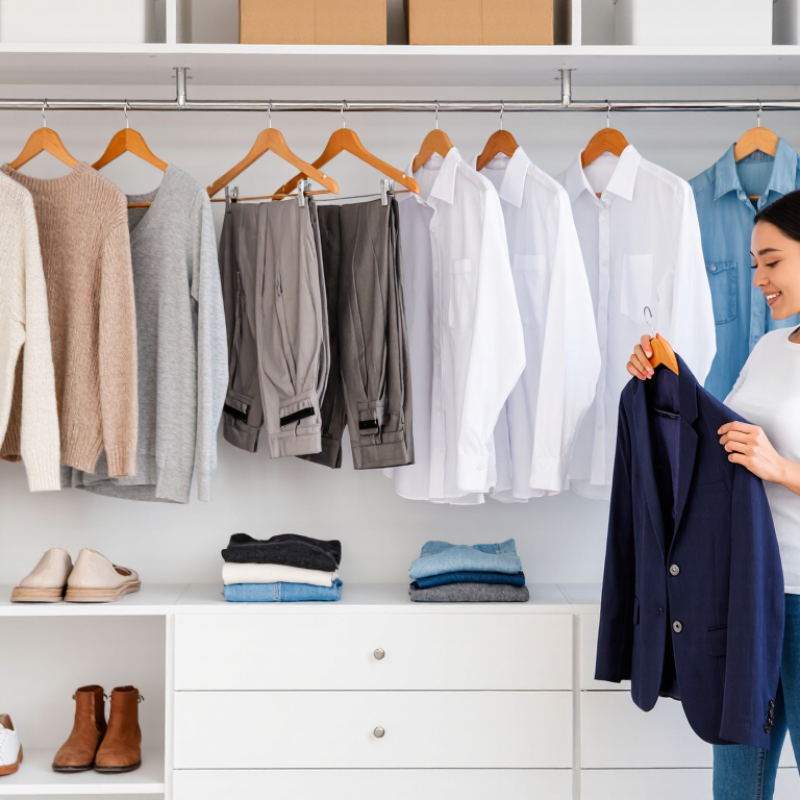
Build a Versatile Capsule Wardrobe |
Prioritize neutral, interchangeable pieces that work across multiple occasions. |
The fashion sector is estimated to contribute approximately 2%–8% of global greenhouse-gas emissions. |
Versatility can increase the number of wears per item and reduce demand for duplicate garments. |
United Nations Environment Programme, Sustainable Fashion Overview |
| 10 |
Donate, Swap, or Recycle Responsibly |
Give wearable clothing to others, swap locally, and use textile recycling only when reuse is not possible. |
In the United States, approximately 17 million tons of textiles were generated as municipal solid waste in 2018, with about 11.3 million tons landfilled. |
Keeping usable garments in circulation is generally preferable to disposal or downcycling. |
U.S. Environmental Protection Agency, Textile Waste Data |
 Sebs Fashion