Building a capsule wardrobe is an art that combines style with sustainability. In 2026, global buyers face unique challenges. As fashion trends evolve, the demand for a streamlined wardrobe grows. Renowned stylist Amy McGarry emphasizes, “A well-curated capsule wardrobe simplifies choices and amplifies personal style.” This level of simplicity, however, may also lead to confusion.
Creating a capsule wardrobe is not merely about less clothing. It’s about choosing quality pieces that reflect individuality and adapt to various occasions. Buyers often struggle with the balance between minimalism and expression. The right pieces allow for versatile combinations, but selecting them is often daunting.
Global trends impact local choices. Cultural influences must be considered. A successful capsule wardrobe should resonate with personal style while being mindful of fabric sustainability. The journey of how to build a capsule wardrobe invites self-reflection. It pushes individuals to assess their wardrobe needs, merging practicality with aesthetic appeal. Every decision counts in crafting a harmonious collection.
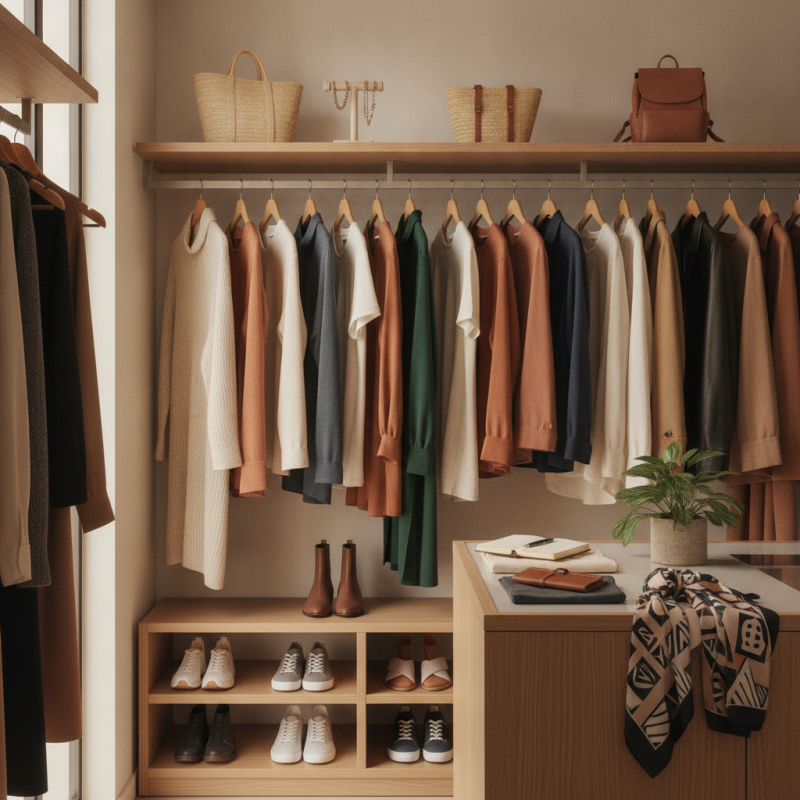
Capsule wardrobes are becoming increasingly relevant in 2026. They focus on simplicity and utility. A capsule wardrobe typically consists of a limited number of versatile pieces. This approach allows greater creativity and reduces decision fatigue. Buyers can curate a collection that reflects their unique style while being functional.
Tip: Start by identifying your core style. Consider your daily activities and choose outfits that blend comfort with elegance. Make sure each piece can pair with multiple others. Aim for a cohesive color palette to maximize the mix-and-match potential.
When building your wardrobe, think about materials. Sustainable fabrics can enhance quality and durability. This makes it easier to keep your wardrobe minimal. However, it can be overwhelming to keep everything aligned with ethical standards. Reflect on your values and preferences through your choices.
Tip: Invest in timeless pieces that withstand seasonal trends. Check for craftsmanship and care instructions. Focus on quality over quantity. Each selection should tell your story and serve a purpose. Evaluate what you truly need, and don’t hesitate to reassess your collection regularly. This practice keeps your wardrobe fresh and functional.
As we navigate 2026, understanding global trends in sustainable fashion purchases is crucial. Recent data highlights that the sustainable fashion market is expected to grow significantly, reaching approximately $8.25 billion by 2029. This growth is driven by increased consumer awareness and demand for ethical practices.
The trend indicates that consumers are now prioritizing eco-friendly materials. Reports show that 66% of global buyers are willing to pay more for sustainable products. This shift challenges brands to rethink their supply chains. However, many companies still rely on conventional production methods, creating a gap between consumer expectations and industry practices.
With this evolving landscape, brands must adapt swiftly. For example, transparency in sourcing and production is becoming essential. Yet, not all companies are prepared for this change. Some still lack clear sustainability metrics. This inconsistency can alienate a growing number of eco-conscious shoppers. Engaging genuinely with global buyers requires commitment, innovation, and a willingness to challenge the status quo.
In 2026, building a capsule wardrobe requires a focus on essential categories that reflect both modern aesthetics and sustainable practices. Research from the Fashion Institute notes that minimalism in fashion is growing, with 75% of consumers favoring versatile pieces that can be styled multiple ways. Essentials like classic white shirts, tailored trousers, and well-fitted jeans form the foundation of the modern wardrobe. These items not only provide numerous outfit combinations, but they also align with the increasing demand for longevity over fast fashion.
However, the challenge lies in balancing personal style with these necessities. While most consumers understand the importance of fewer, high-quality pieces, many still resort to impulse buys. According to a recent report, nearly 40% of buyers regretted unplanned fashion purchases in the past year. This indicates a crucial need for reflection on individual choices and shopping habits. Selecting key accessories, like a timeless trench coat or a statement belt, can elevate the essential pieces without overwhelming the wardrobe. The goal is to create a wardrobe that is both functional and expressive, but achieving that requires discipline and a willingness to rethink shopping behavior.
Building a capsule wardrobe in 2026 means understanding evolving consumer preferences. Versatile clothing choices are essential. Buyers seek pieces that can adapt to various occasions. They want outfits that combine style and functionality. Simplifying choices leads to less overwhelm.
Choosing neutral colors offers flexibility. Earth tones work well for different styles. They can be mixed and matched easily. Fabrics should be durable yet comfortable. Look for materials that withstand wear and tear. Think about layering options too. This allows you to create different looks with fewer items.
Don’t forget to reflect on your choices. Consider what truly fits your lifestyle. Trends change rapidly; timeless pieces are key. Allow room for personal expression. A capsule wardrobe should feel authentic to you. With thoughtful selections, you can build a wardrobe that meets your fashion needs.
Creating a capsule wardrobe in 2026 requires a data-driven approach. According to reports by the Global Apparel Research Institute, consumers are increasingly focused on sustainable fashion. They found that 75% of shoppers now prefer purchasing fewer but higher-quality items. This shift emphasizes the importance of strategic choices when building a wardrobe.
Focus on versatile pieces that mix and match easily. Select neutral colors and classic styles that withstand trends. Data indicates that a well-planned capsule wardrobe typically contains around 30 essential items. This number provides flexibility while minimizing clutter. Include items like tailored blazers, basic tees, and well-fitted jeans to create endless outfit possibilities.
Moreover, it’s crucial to assess your lifestyle needs. Analyze your daily activities and tailor your choices accordingly. Some may need more formal attire, while others prioritize casual outfits. Reflecting this, a recent study noted that 60% of individuals found their existing wardrobes overwhelming and unorganized. Avoid adding pieces just because they are trendy. Instead, ensure that each item resonates with your personal style and daily requirements. This strategy creates a cohesive and functional wardrobe, addressing the common pain points many buyers face today.
| Category | Essential Items | Average Cost ($) | Sustainable Material | Recommended Lifespan (Years) |
|---|---|---|---|---|
| Tops | White Button-Down Shirt | 80 | Organic Cotton | 3-5 |
| Bottoms | Classic Denim Jeans | 90 | Recycled Denim | 3-5 |
| Outerwear | Neutral Blazer | 150 | Tencel | 5-7 |
| Footwear | Classic Sneakers | 85 | Eco-Leather | 3-5 |
| Accessories | Versatile Tote Bag | 70 | Recycled Materials | 3-4 |
: Increased consumer awareness and demand for ethical practices are key drivers.
It is projected to reach approximately $8.25 billion.
Consumers are increasingly looking for eco-friendly materials.
Many still rely on conventional methods, creating a gap with consumer expectations.
Transparency in sourcing and production practices has become essential.
Nearly 40% regret their impulse buys from the past year.
Classic white shirts, tailored trousers, and well-fitted jeans are essential.
Around 30 essential items is ideal for flexibility and minimal clutter.
Balancing personal style with the need for high-quality, essential pieces.
Reflect on lifestyle needs and avoid adding trendy pieces that don't resonate.
In "How to Build a Capsule Wardrobe in 2026 for Global Buyers," the article outlines the essential principles of creating a capsule wardrobe that aligns with contemporary sustainable fashion trends. It begins by explaining the concept of capsule wardrobes, emphasizing their practicality and minimalist appeal in a world increasingly focused on sustainability. The discussion highlights global consumer trends toward eco-friendly fashion, underscoring the importance of selecting versatile pieces that can be mixed and matched.
Key categories for a modern capsule wardrobe include timeless essentials that cater to both style and functionality. The article delves into consumer preferences, noting a growing inclination towards clothing that offers adaptability for various occasions. Lastly, it presents data-driven strategies for effectively constructing a capsule wardrobe, guiding readers on how to build a capsule wardrobe that meets both aesthetic desires and sustainable values.

Sebs Fashion