China Top 10 Tips How to Improve Your Personal Style?

Time:2026-10-18 Author:Henry
0%

Personal style is not a fixed label. It develops through daily choices, honest observation, and a willingness to adjust. In China, clothing preferences can change between city life, office culture, family events, and changing seasons. A linen shirt may feel perfect in humid Guangzhou, while a structured jacket suits a meeting in Shanghai. These details matter. They show why learning how to improve your personal style requires more than copying fashionable outfits.

This guide presents China’s top 10 practical tips for building a clearer and more confident appearance. It considers fit, color, fabric, grooming, accessories, footwear, and cultural context. Each suggestion is designed for real wardrobes, sensible budgets, and different lifestyles. Professional stylists often begin with proportion and comfort, because expensive clothing cannot fix poor fit. Reliable fashion guidance also encourages checking fabric quality, care labels, and return policies before buying. Small changes can create visible results. Try adjusting trouser length, matching shoe color, or removing one unnecessary accessory.

Still, personal style is not a perfect formula. Some combinations may look awkward at first. That is useful feedback. A mirror, a phone photograph, and a trusted friend can reveal details you miss. Avoid judging your appearance after one experiment. Style improves through repeated testing. This introduction leads into ten practical recommendations that balance individuality, professionalism, and comfort. The goal is not to appear wealthy or follow every trend. It is to look intentional, feel at ease, and make choices that remain authentic in everyday Chinese settings.
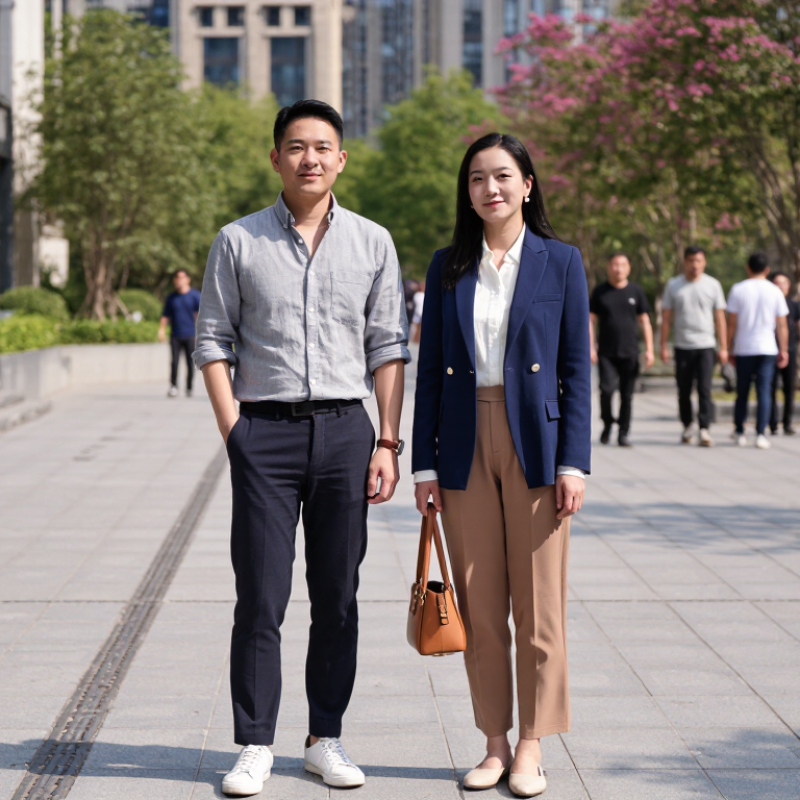
China Top 10 Tips How to Improve Your Personal Style?

Define Personal Style Through Cultural Awareness and Self-Assessment

China Top 10 Tips: How to Improve Your Personal Style?

Define Personal Style Through Cultural Awareness and Self-Assessment

Personal style begins with observation, not shopping. Study how color, silhouette, fabric, and modesty vary across cultures. UNESCO’s 2022 cultural policy report estimates that creative industries generate 3.1% of global GDP and 6.2% of employment. Clothing carries social meaning, not only visual appeal. Learn the history behind garments before borrowing their symbols. Ask whether your interpretation shows respect or merely copies an image. Notice local dress codes when traveling. Adapt thoughtfully. Keep a small notebook of outfits that feel natural, comfortable, and culturally appropriate. Photograph details, such as sleeve length, shoe shape, and fabric texture. These records reveal patterns you may miss.

Self-assessment makes style practical. The World Values Survey’s seventh wave covers nearly 130,000 respondents across about 90 societies. Its scale reminds us that preferences are shaped by family, community, age, and identity. Review your wardrobe by asking ten questions: What do I repeat? What feels restrictive? Which colors support my complexion? Do my clothes suit my work and climate? Can I move comfortably? Am I dressing for approval? Try one change at a time. Test a wider trouser, a quieter color, or a traditional detail used respectfully. I still mistake novelty for confidence sometimes. That is useful feedback. A mirror shows appearance; a full day shows whether the choice truly belongs to you.

Build a Versatile Wardrobe for China’s Climate and Social Settings

Build a Versatile Wardrobe for China’s Climate and Social Settings

China’s climate changes sharply between regions and seasons. The China Meteorological Administration’s China Climate Change Blue Book 2024 reported that 2023 was China’s warmest year since reliable records began in 1901. Choose breathable base layers, lightweight knitwear, and a packable outer layer. These pieces work in humid Guangzhou, dry Beijing, and cooler northern evenings. A water-resistant jacket matters during sudden summer rain.

Use a restrained palette of navy, grey, cream, and olive. They combine easily for offices, dinners, campus events, and weekend walks. Keep one structured jacket for formal meetings, plus relaxed trousers for daily commuting. Comfortable leather or textile shoes should handle subway platforms, wet pavements, and long city walks. Small details help: a compact umbrella, thin scarf, and washable undershirts.

Social expectations can shift within one day. A neat shirt may suit a business lunch, while a clean overshirt feels better at an informal gathering. China’s National Bureau of Statistics reported that urban residents made up 66.16% of the population in 2023, reflecting varied urban lifestyles and frequent movement between settings.

Avoid buying only statement pieces. I did that once; impressive clothes stayed untouched. Test every item with three outfits before keeping it. Some choices will still fail. That is useful feedback.

Choose Colors, Fabrics, and Fits That Suit Your Appearance

China Top 10 Tips How to Improve Your Personal Style?

Choose colors that support your natural appearance, not colors that simply attract attention. Warm skin often works well with cream, olive, camel, and muted red. Cooler skin may suit navy, gray, soft blue, and clear white. Hold fabric near your face in daylight. Indoor lighting can mislead you.

Fit Fit matters more than expensive clothing. Shoulder seams should rest near your shoulders, while sleeves should end around your wrist bone. Trousers should skim your shoes without creating heavy folds. In my experience, a small alteration can improve an ordinary shirt dramatically. Still, I sometimes choose a looser fit for comfort and regret it later.

Fabric & Form Fabric changes how color and shape appear. Linen feels practical in humid southern cities, but it wrinkles quickly. Cotton gives structure and remains easy to maintain. Wool blends can add warmth during northern winters without looking bulky. Touch the fabric before buying. Does it feel breathable? Does it keep its shape after bending? Take a mirror photo from several angles. A fitting room mirror is not always honest. Try walking, sitting, and lifting your arms. Your outfit should follow your body, not fight it. Personal style develops through testing, careful observation, and a willingness to revise mistakes.

Coordinate Accessories and Grooming for a Polished Look

A polished personal style depends on coordination, not expensive purchases. Start with one clear accent, such as a textured watch, a muted scarf, or a simple metal ring. Keep the accessory’s color close to another detail, like your belt, shoes, or bag hardware. This creates visual rhythm without making the outfit feel crowded. Two or three accessories are usually enough. More can weaken the overall impression.

Grooming completes the arrangement. Trim nails, remove lint, and check your collar before leaving home. Hair should look intentional, even when slightly relaxed. A light, clean fragrance is more professional than a strong cloud around you. Match the formality of your grooming with your clothing. A sharp jacket needs tidy shoes and controlled hair. Casual clothing can support softer styling.

Use a mirror and inspect the outfit from a distance. Small details become obvious then. I sometimes choose too many “interesting” pieces and lose balance. That mistake taught me to remove one item before leaving. Personal style is not perfect every day. Observe what feels uncomfortable, adjust one detail, and test the change again. Over time, this practical process makes coordination more natural and dependable.

Refine Your Style Through Experimentation and Consistent Evaluation

China Top 10 Tips: How to Improve Your Personal Style?

Personal style improves through testing, not sudden transformation. Photograph three outfits before leaving home. Note the fit, color balance, comfort, and movement. Wear one unfamiliar combination each week. Try a wider trouser, a muted color, or a different texture. Keep the experiment small. Your mirror can mislead you. Review photos after several hours, when creasing and comfort become visible. I once rejected relaxed trousers because they looked unusual in a fitting room. Later, daily movement proved them more practical.

Consistent evaluation also requires reliable evidence. The 2024 ThredUp Resale Report, produced with GlobalData, estimates that the global secondhand apparel market could reach 350 billion dollars by 2028. This suggests that personal style can grow through thoughtful reuse, not constant purchasing. Build a monthly wardrobe record with wear frequency, alteration costs, and unused items. Pieces worn often deserve better maintenance. Unused pieces deserve an honest explanation. Maybe the color is wrong. Maybe the cut only looked attractive online.

The McKinsey State of Fashion reports continue to emphasize value-conscious consumer behavior and stronger expectations for product quality. Use that principle personally. Check fabric recovery after sitting. Inspect seams under natural light. Ask whether an item works with at least three existing pieces. Do not trust every style rule. Some of mine failed because my proportions were different. Evaluation should remain flexible, but not careless. Keep what performs well. Question what only photographs well.

FAQS

How can I discover my personal style?

Observe colors, silhouettes, fabrics, and sleeve lengths that feel natural. Record outfits in a small notebook. Notice patterns. Comfort matters more than sudden novelty.

How can cultural awareness improve my clothing choices?

Learn the history behind traditional garments before using their symbols. Respect local dress codes when traveling. Avoid copying meaningful designs without understanding them. Thoughtful adaptation is better.

How can I assess my wardrobe honestly?

Ask which clothes you repeat and which feel restrictive. Check whether each item suits your work, climate, and movement. A full day reveals more than a mirror. I still dress for approval sometimes.

How many accessories should I wear?

Two or three accessories usually create enough visual interest. Try a textured watch, muted scarf, or simple ring. Match one color with your shoes, belt, or bag hardware. Keep it balanced.

How does grooming support personal style?

Check your collar, nails, shoes, and hair before leaving home. Remove visible lint from dark clothing. Use a light, clean fragrance. Small details matter.

How can I experiment without changing everything?

Test one unfamiliar combination each week. Try wider trousers, quieter colors, or a different texture. Photograph the outfit before leaving. Keep experiments small.

How can photos help evaluate an outfit?

Review photos after several hours of sitting, walking, and daily movement. Look for creases, awkward proportions, and color imbalance. A fitting-room mirror can mislead you. Photos show practical problems.

How can I shop more thoughtfully?

Check whether new clothing works with at least three existing pieces. Inspect seams and fabric under natural light. Consider alteration costs and wear frequency. Some items only look attractive online.

Conclusion

Improving your personal style begins with understanding who you are, how you want to be perceived, and how cultural expectations influence clothing choices. If you are wondering how to improve your personal style, start with an honest self-assessment of your lifestyle, body proportions, daily activities, and comfort preferences. Build a versatile wardrobe that works for China’s changing climate, from warm and humid summers to cooler seasons, while also fitting different social settings such as work, family gatherings, and casual occasions.

Pay attention to colors that complement your complexion, fabrics that match the weather, and fits that create a balanced silhouette. Thoughtful accessories, clean shoes, neat hair, and good grooming can make even simple outfits appear polished. Finally, treat style as an ongoing process. Experiment with new combinations, take notes on what feels comfortable and looks effective, and regularly review your wardrobe. With cultural awareness, practical choices, and consistent evaluation, you can develop a personal style that feels confident, authentic, and adaptable.

Henry

Henry

Henry is a dedicated marketing professional with a profound expertise in the company's offerings. With years of experience in the industry, he possesses an impressive understanding of the market dynamics and consumer behaviors that drive success. Henry is committed to sharing his insights through......