In the ever-evolving world of fashion, understanding "why does clothing fit vary by brand" remains a pivotal concern. As we venture into 2026, this question gains new relevance. Industry expert Dr. Emily Parker, a renowned fashion consultant, asserts, “Every brand interprets measurements and styles differently, leading to diverse fits.” Her insight reflects the complex nature of sizing in the clothing industry.
Different brands often adopt unique sizing standards. This inconsistency can frustrate consumers, who expect a certain fit based on their previous purchases. Some brands focus on a particular demographic, which can skew size offerings. For instance, while one brand may cater to a slim figure, another may prioritize a curvier silhouette. Such varied interpretations create a need for shoppers to be vigilant about sizing charts.
Additionally, the global marketplace amplifies these discrepancies. As brands expand internationally, they may struggle to reconcile fit with cultural expectations. Ultimately, these factors contribute to ongoing discussions about fit in fashion. As consumers, we must navigate these complexities with awareness. Understanding "why does clothing fit vary by brand" is essential for making confident choices in our wardrobe.
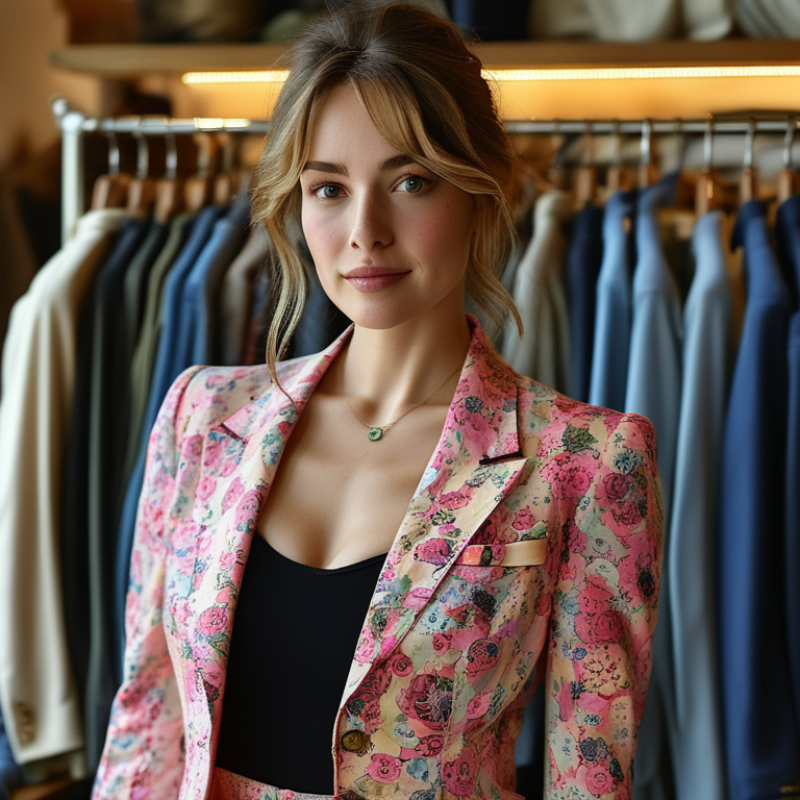
Clothing fit can differ significantly by brand, and this is largely due to variability in sizing standards. Every brand has its own approach to measurements. This often leads to confusion for shoppers seeking the perfect fit. In 2026, the challenge persists. Brands may use different sizing systems, making it hard to determine what size you actually need.
When shopping for clothes, always check the sizing chart. These charts provide essential information about the measurements specific to each brand. Compare your measurements against the chart. This simple step can save you time and frustration. Consider taking your measurements every few months. Body sizes can fluctuate, affecting your fit.
Try on clothing whenever possible. Don’t rely solely on sizing labels. A size labeled medium in one brand might fit like a large in another. If you order online, read customer reviews about the fit. Reviews often reveal valuable insights about how items actually fit in real life. It’s a helpful way to gauge expectations before making a purchase. Remember, a properly fitting garment enhances your appearance and confidence.
Regional differences significantly influence how clothing fits across brands in 2026. Various factors like body shapes, cultural preferences, and climate conditions inform sizing standards. In some regions, a more fitted silhouette is favored, while others embrace looser styles. This divergence leads to noticeable variations in sizing charts and garment proportions.
For example, a basic t-shirt in one region may be tighter and more cropped. Conversely, in another area, the same t-shirt could be oversized and relaxed. These discrepancies often confuse consumers who expect uniformity. Shoppers may find themselves fluctuating in size, depending on where they shop. This challenge highlights the need for brands to adopt more inclusive fitting practices.
Fashion brands now increasingly rely on regional data to refine their fits. They analyze local market preferences and adjust their designs. However, this data-driven approach isn't flawless. Many brands still struggle to balance traditional sizing with modern trends. Ultimately, the quest for the perfect fit continues as fashion evolves alongside regional diversity.
Clothing fit varies significantly by brand in 2026, influenced largely by fabric choices and design philosophies. Different materials impact how garments stretch, breathe, and conform to the body. For instance, some fabrics retain their shape better than others, leading to a more flattering fit. Likewise, the choice of fabric can affect the drape and silhouette, impacting how clothing appears when worn.
Design plays a crucial role, too. Each brand has its unique interpretation of size and fit. They may follow different measurement standards, causing inconsistencies. Some focus on tailored cuts for a closer fit, while others prioritize comfort with looser designs. This variance can leave consumers frustrated and confused. Trying on multiple sizes often becomes necessary, reflecting a need for adaptability in shopping.
The interplay between fabric and design leads to these discrepancies. While some may prefer structured garments using heavier materials, others might gravitate towards lightweight, flowing fabrics. This creates challenges for consumers seeking a consistent fit. It’s a complex landscape that necessitates careful consideration from brands, consumers, and designers alike.
In 2026, clothing fit remains a significant concern for shoppers. Each brand has a unique approach to sizing. This creates confusion among customers. Many people have a strong sense of brand loyalty. They might accept fit inconsistencies as part of their preferred brand experience. Yet, this loyalty can be a double-edged sword.
Consumer perception plays a crucial role in this dynamic. Shoppers often associate fit with quality. If a brand consistently fits well, consumers are more likely to return. However, those who find a brand’s sizing problematic may feel let down. They might switch to competitors. This shift illustrates the delicate balance between loyalty and satisfaction.
Moreover, social media heightens these concerns. Online reviews and testimonials influence buying decisions. A customer’s bad experience with fit can spread quickly. Brands face pressure to address these concerns. Yet, understanding why fit varies is complex. It involves factors like manufacturing processes, materials used, and target demographics. This ongoing issue invites reflection on the balance between brand identity and customer needs.
In 2026, the clothing industry has embraced new technologies that significantly alter how apparel fits. Innovative design software uses body-scanning technology to create more accurate size profiles. This advancement helps brands tailor garments precisely. The use of artificial intelligence also predicts how styles will fit different body shapes, leading to more personalized fashion.
Here are some tips for shoppers. Always check size charts on online stores. Even if you wear a size M, different brands may have varying fits. Consider trying garments with adjustable features. This can enhance comfort and adaptability. You might find that certain styles require a unique fit strategy.
While technology improves fit, it sometimes fails to address personal preferences. A sleek design may not account for individual comfort. It can lead to frustration during the shopping experience. Customers should take time to read reviews. Feedback from others can provide insights into fit and comfort that size charts cannot offer.
This chart illustrates various factors contributing to clothing fit discrepancies across different brands in 2026. Each factor is rated on a scale from 1 to 10, showing how advancements in technology and consumer preferences are shaping clothing design and fitting solutions.
: Fabrics and design philosophies influence fit. Different materials affect stretch, breathability, and body conformance.
Fabrics differ in how well they retain shape. Some offer better drape and silhouette, affecting appearance.
Each brand interprets size differently. Measurement standards vary, causing inconsistencies in fit across brands.
Due to design variations, finding the right fit often requires trying different sizes for adaptability.
New design software and body-scanning enhance size profiles, creating more accurate and personalized fits.
Always check size charts, as sizes can vary greatly. Consider trying adjustable styles for better fit.
Some tech focuses on style but may overlook individual comfort, leading to potential shopping frustration.
Reviews provide insights into fit and comfort that size charts alone may not reveal. They offer real experiences.
Lightweight materials can create fit inconsistencies, making it harder to achieve a flattering look for all body types.
Tailored cuts can prioritize fit over comfort, which might not suit everyone’s personal preferences.
In 2026, the question of "why does clothing fit vary by brand" has become increasingly relevant as consumers navigate a complex fashion landscape. One significant factor contributing to this variability is the differing sizing standards employed by various brands, which can lead to frustration as sizes are not universally consistent. Additionally, regional differences greatly influence how clothing fits, as cultural preferences and body types can vary significantly across locations.
The role of fabric and design also plays a crucial part in the fit discrepancies; different materials and cuts can dramatically affect how a garment conforms to the body. Consumer perceptions of fit, intertwined with brand loyalty, further complicate the issue, as customers often associate quality and style with a particular fit. Technological advancements in clothing design and production are emerging as potential solutions, offering innovative approaches to standardizing fit and enhancing consumer satisfaction.
Sebs Fashion