Choosing an outfit for a special occasion in 2026 requires more than matching colors. It demands context, comfort, timing, and social awareness. The key question is simple: how to choose the right outfit for special occasions without looking overdressed, underdressed, or uncomfortable?
Industry reports show why this decision matters. The Knot’s 2024 Real Weddings Study, based on nearly 17,000 couples, highlights the scale and personalization of modern celebrations. Weddings now include destination ceremonies, smaller gatherings, cultural events, and highly styled receptions. Each setting changes the practical dress code. Meanwhile, McKinsey and The Business of Fashion’s State of Fashion 2025 report describes increasingly value-conscious shoppers. People want clothing that feels distinctive but remains wearable beyond one event. That makes fabric quality, tailoring, and repeat use more important than short-lived trends.
Details create confidence. A navy suit with a breathable shirt can handle a warm afternoon ceremony. Low leather loafers may work better than formal lace-ups on grass. For an evening gala, a structured black dress, polished shoes, and one restrained accessory can look intentional without feeling excessive. Small choices matter.
Yet there is no perfect formula. A venue may feel more casual than its invitation suggests. A “festive” dress code may still confuse guests. Checking the host’s wording, venue photographs, weather forecast, and cultural expectations is sensible. Asking one respectful question can prevent an expensive mistake. Personal style also matters, but comfort should not be sacrificed for a photograph. Trends change quickly. Confidence usually lasts longer.
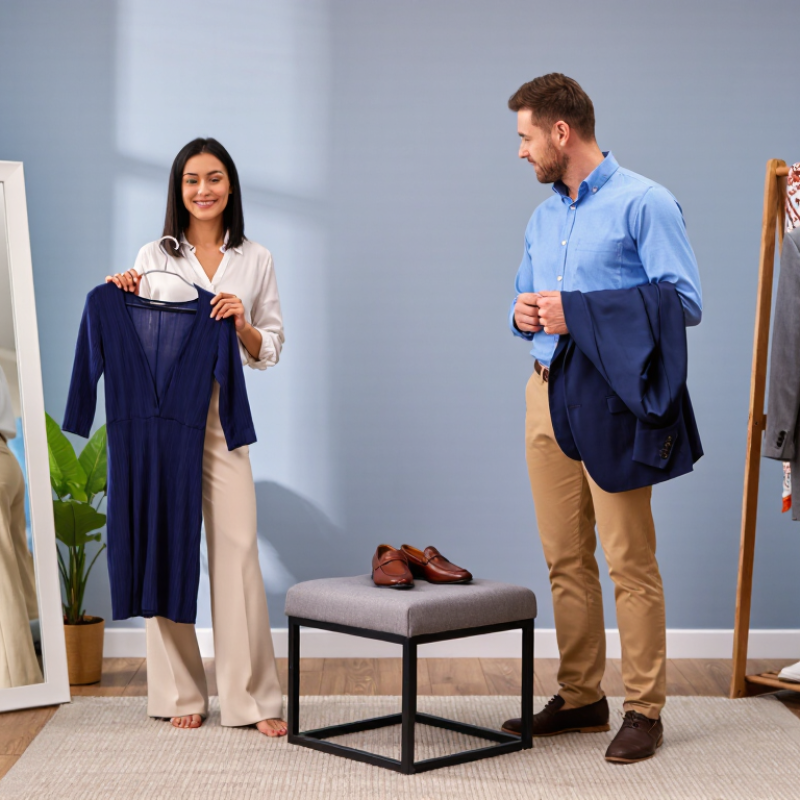
Choosing an outfit for a special occasion starts with defining the event, not browsing clothes. A wedding, awards dinner, gallery opening, and family celebration each create different expectations. The Knot’s 2024 Real Weddings Study reported an average U.S. wedding cost of $33,000. That figure reflects the event’s emotional and financial importance. Guests should respect the setting without competing with the couple.
Read the invitation carefully. “Black tie,” “cocktail,” and “smart casual” are practical instructions, not decorative wording. Then consider the social setting. A formal hotel dinner may require polished tailoring, while an outdoor ceremony needs breathable fabric and stable shoes. Time, weather, venue, and your relationship with the host all matter. I have learned that a technically correct outfit can still feel wrong when it ignores the room. That mistake is worth examining.
Tips: Begin with the dress code. Match formality before color. Check the venue online for visual clues. Choose one comfortable feature, such as soft lining or low heels. Keep a backup layer nearby. The 2024 State of Fashion report from McKinsey notes that consumers remain more value-conscious, so versatile pieces deserve attention. Still, value does not mean wearing the same look everywhere. Adjust accessories, texture, and grooming for the occasion. Leave enough time for movement, sitting, and unexpected photographs. Confidence helps, but preparation helps more.
Choosing an outfit in 2026 begins with reading the invitation, not scrolling for a dramatic look. The venue sets the practical boundary. A garden ceremony needs breathable fabric and stable shoes for uneven paths. An evening gallery event may suit sharper tailoring, while a family dinner calls for polished comfort. I always check photographs of the space when possible. This prevents a beautiful outfit from feeling strangely formal or painfully casual.
Season and time of day change how colors, layers, and textures behave. In spring, add a light jacket for a cool breeze. Summer celebrations call for breathable fabrics and secure necklines. Autumn invites richer textures, but avoid heavy layers indoors. For a morning event, softer colors often look natural. After sunset, deeper tones and subtle shine photograph well. Test the full outfit under similar lighting. I once trusted a fitting-room mirror and regretted it.
Tips Keep one weather-ready layer nearby. Choose shoes you can stand in for two hours. Match accessories to the event’s energy, not just the outfit. Ask the host about dress expectations if the wording feels vague. Pack a small repair kit for loose hems or missing buttons. Comfort is not a compromise, though I sometimes mistake oversized clothing for comfort. Check movement before leaving: sit, walk, reach, and turn.
How to Choose Outfits for Any Special Occasion in 2026?
Balancing Personal Style, Comfort, Fit, and Appropriate Formality
A special-occasion outfit should feel intentional, not disguised. I begin with the invitation, venue, time, and expected dress code. A daytime garden ceremony may suit breathable tailoring, while an evening reception needs stronger structure and richer texture. Cotton Incorporated’s 2024 Lifestyle Monitor Survey reported that 86% of consumers consider comfort important when buying clothing. That figure supports a practical rule: never sacrifice movement for appearance. Sit, walk, lift your arms, and check the outfit under realistic lighting. Small tests reveal uncomfortable seams, tight waistbands, and transparent fabric.
Personal style still matters. Use familiar colors, jewelry, or silhouettes, then adjust their intensity for the occasion. A tailor can improve shoulder alignment, sleeve length, and trouser break more effectively than expensive decoration. Fit changes how fabric hangs, photographs, and feels after several hours. The U.S. Bureau of Labor Statistics’ Consumer Expenditure data also shows clothing remains a regular household expense, so versatile pieces deserve careful selection. Choose garments that can serve more than one event.
Formality is not only about color. Fabric weight, shine, footwear, and finishing details quietly set the tone. I sometimes overcorrect and dress too formally; that is worth admitting. A polished outfit can still look misplaced beside relaxed guests. Leave enough time for alterations, but keep one comfortable backup layer nearby. The best choice feels like you, with fewer distractions.
Balancing personal style, comfort, fit, and appropriate formality
This practical 1–10 planning framework shows which factors deserve the most attention for common special occasions. Formality carries more weight at black-tie and business-formal events, while comfort and personal style become increasingly important for outdoor and semi-formal gatherings. A strong fit remains important in every setting because it improves appearance, ease of movement, and confidence.
How to Choose Outfits for Any Special Occasion in 2026?
Color coordination should begin with the event’s setting, not personal habit. For evening ceremonies, pair one dominant color with a softer neutral. A deep blue suit, ivory shirt, and muted brown shoes create contrast without shouting. The Pantone Color Institute’s 2025 color report emphasizes emotionally comforting tones, which supports using warm neutrals for formal gatherings. Still, color screens can mislead. Check the outfit under natural light.
Fabric controls both comfort and credibility. Wool blends hold structure, while linen allows airflow but wrinkles quickly. The 2024 U.S. Consumer Expenditure Survey shows apparel and services represent roughly 2% of average household spending, so versatile fabrics offer practical value. Touch the material before buying. A shiny finish may photograph well, yet look excessive in daylight. I have made that mistake.
Accessories should repeat one detail, not compete with the outfit. Match metal tones across a watch, belt buckle, and jewelry. Choose shoes according to walking distance and flooring. Thin soles can become painful after an hour. Outerwear must fit over the complete outfit, including sleeves and accessories. A clean topcoat usually works better than a heavily decorated jacket. Leave room for movement.
A practical guide to coordinating colors, fabrics, accessories, shoes, and outerwear
| Special Occasion | Season / Setting | Formality | Recommended Color Coordination | Suitable Fabrics | Accessories | Shoes | Outerwear |
|---|---|---|---|---|---|---|---|
| Black-Tie Evening Gala | Indoor / Evening | Very Formal | Black, midnight blue, or deep charcoal. Add one restrained metallic accent such as silver or gold. | Wool barathea, silk, velvet accents, satin, or fine crepe. | Minimal jewelry, a compact evening bag, a slim watch, and a pocket square if appropriate. | Polished leather dress shoes, formal pumps, or refined closed-toe heels. | Structured wool overcoat, tailored evening coat, or a formal shawl. |
| Cocktail Reception | Indoor / Evening | Formal | Burgundy, emerald, navy, or jewel tones. Balance a vivid color with neutral shoes or accessories. | Crepe, silk blend, velvet, lightweight wool, or satin used selectively. | Statement earrings, a small clutch, a narrow belt, or one sculptural accessory. | Heeled sandals, loafers, dress boots, or sleek pumps. | Cropped tailored jacket, velvet blazer, or longline wool coat. |
| Wedding Ceremony and Reception | Day to Evening | Semi-Formal | Soft blue, sage, lavender, navy, or muted floral tones. Avoid white or ivory when traditionally reserved for the couple. | Chiffon, silk, linen blends, lightweight wool, lace details, or polished cotton. | Elegant earrings, a small shoulder bag, a delicate tie, or a pocket square. | Dress sandals, block heels, polished loafers, or clean leather flats. | Light trench coat, cropped cardigan, tailored blazer, or dressy wrap. |
| Garden Party | Spring / Outdoor | Smart Casual | Sage, cream, sky blue, coral, or soft yellow. Use one floral or botanical print with quiet neutrals. | Linen, cotton voile, seersucker, lightweight chambray, or breathable blends. | Sun hat, woven bag, lightweight scarf, simple jewelry, and sunglasses. | Block heels, loafers, espadrilles, or flat shoes suitable for grass. | Light cardigan, linen blazer, cropped utility jacket, or water-resistant mac. |
| Business Conference Dinner | Indoor / Evening | Business Formal | Navy, charcoal, ivory, or camel with one subtle accent color. Keep contrast professional and controlled. | Worsted wool, ponte, silk, fine merino, or wrinkle-resistant twill. | Structured tote, understated jewelry, leather belt, and a simple watch. | Leather loafers, ankle boots, low heels, or closed-toe dress shoes. | Tailored blazer, wool coat, or a clean trench coat. |
| Graduation Ceremony | Spring / Daytime | Semi-Formal | Navy, medium blue, charcoal, cream, or muted green. Choose colors that remain visible beneath a gown if one is worn. | Breathable wool blends, cotton, crepe, polished knitwear, or lightweight tailoring. | Small crossbody bag, simple necklace, practical watch, and modest earrings. | Low block heels, loafers, ballet flats, or clean dress shoes. | Light blazer, cardigan, trench coat, or packable rain jacket. |
| Holiday Family Dinner | Winter / Indoor | Smart Casual | Burgundy, forest green, cream, navy, or warm camel. Combine one seasonal shade with a neutral base. | Merino wool, cashmere blend, corduroy, velvet, brushed cotton, or knit fabric. | Festive earrings, a refined belt, a compact handbag, or a textured scarf. | Leather ankle boots, loafers, dress flats, or low block heels. | Wool coat, quilted jacket, cape, or polished shearling-style layer. |
| Date Night at a Fine Restaurant | Indoor / Evening | Dressy Casual | Black, charcoal, deep red, navy, or ivory. Use tonal dressing to create a polished, intentional look. | Silk, satin, fine knit, crepe, leather accents, or soft tailored wool. | One focal accessory, a small shoulder bag, elegant watch, or subtle fragrance. | Heeled boots, loafers, sleek flats, or refined pumps. | Leather jacket, tailored blazer, wrap coat, or streamlined trench. |
| Art Gallery Opening | Indoor / Evening | Creative Smart Casual | Black and ivory with one artistic accent such as cobalt, rust, lime, or metallic silver. | Structured cotton, silk, wool crepe, denim with clean finishing, or textured knitwear. | Geometric jewelry, an architectural bag, a colorful scarf, or a distinctive belt. | Minimal sneakers, polished ankle boots, loafers, or architectural heels. | Oversized blazer, cropped leather jacket, modern trench, or long vest. |
| Outdoor Winter Celebration | Winter / Outdoor | Smart Casual | Charcoal, camel, burgundy, cream, or pine green. Layer darker and lighter tones for depth without sacrificing warmth. | Wool, fleece-lined jersey, thermal knit, corduroy, flannel, or weather-resistant fabric. | Wool scarf, gloves, beanie, crossbody bag, and practical but polished jewelry. | Insulated leather boots, weatherproof Chelsea boots, or sturdy dress boots. | Insulated wool coat, belted puffer, parka, or water-resistant long coat. |
| Beachside Celebration | Summer / Outdoor | Relaxed Formal | White alternatives, sand, pale blue, coral, terracotta, or sea green. Choose colors that work well in bright natural light. | Linen, cotton poplin, silk, viscose, gauze, or lightweight seersucker. | Woven clutch, sunglasses, shell-inspired jewelry, sun hat, and a lightweight scarf. | Dress sandals, espadrilles, flat leather sandals, or wedges that are stable on sand. | Linen overshirt, cotton cardigan, lightweight wrap, or unlined blazer. |
| Theater or Ballet Performance | Indoor / Evening | Dressy Casual | Black, navy, burgundy, forest green, or jewel-toned accents. Favor refined contrast instead of excessive sparkle. | Velvet, silk, crepe, fine wool, satin, or elegant knitwear. | Small handbag, delicate jewelry, silk scarf, or a classic watch. | Dress boots, loafers, low heels, or polished closed-toe shoes. | Long wool coat, tailored cape, velvet jacket, or elegant wrap. |
Styling principle: coordinate no more than three dominant colors, combine contrasting textures thoughtfully, and prioritize weather, venue rules, comfort, and ease of movement before adding decorative details.
How to Choose Outfits for Any Special Occasion in 2026?
Reviewing Outfit Details and Preparing for Unexpected Changes
An elegant outfit depends on more than color and style. I check the invitation, venue, time, and expected weather before choosing each piece. A formal evening event may require a longer silhouette, while a daytime ceremony often suits lighter fabrics and practical shoes. The outfit should look appropriate without restricting movement.
I inspect every detail under natural light. Seams should lie flat, buttons must feel secure, and the hem should not drag across the floor. I also test pockets, zippers, and jewelry clasps before leaving home. Small issues become obvious during photographs. Once, I ignored a loose sleeve thread and noticed it only after several hours. That mistake still influences my preparation.
Unexpected changes deserve a simple backup plan. I carry a compact layer for cold venues, a small stain-removal cloth, and comfortable shoes for long walks. Weather can shift quickly, so a breathable outer layer helps during warm afternoons and cool evenings. I avoid wearing anything that needs constant adjustment. It distracts from conversations and creates unnecessary stress.
Keep it practical. A trusted tailor can correct poor fit, but last-minute alterations may create new problems. I now sit, walk, and raise my arms before an event. The mirror shows appearance. Movement reveals comfort.
Read the invitation and study the location when possible. A garden needs breathable fabric and stable shoes. Uneven paths matter. An indoor gallery may suit sharper tailoring. A family dinner needs polished comfort.
Spring often needs a light jacket for cool air. Summer favors breathable fabrics and secure necklines. Autumn allows richer textures. Avoid heavy layers indoors. Keep one weather-ready layer nearby.
Morning events often suit softer colors and lighter textures. After sunset, deeper tones and subtle shine can photograph well. Test the outfit under similar lighting. Mirrors can mislead.
Sit, walk, reach, and turn before leaving home. Wear shoes you can stand in for two hours. The mirror shows appearance. Movement reveals comfort.
Check flat seams, secure buttons, pockets, zippers, and jewelry clasps. Make sure the hem does not drag. Inspect everything in natural light. Small problems become obvious in photographs.
Carry a compact layer, a stain-removal cloth, and comfortable walking shoes. A small repair kit can handle loose hems or missing buttons. Weather changes quickly. Preparation is imperfect, but useful.
Match accessories to the event’s energy, not only the outfit. Choose practical pieces for outdoor settings. Use subtle shine for evening gatherings. Avoid anything needing constant adjustment.
Yes, ask the host when the invitation feels vague. This can prevent an outfit from looking painfully casual or strangely formal. I once trusted a fitting-room mirror. I regretted it.
Choosing the right outfit for a special occasion begins with understanding the event, dress code, venue, social setting, season, and time of day. Formal celebrations, professional gatherings, outdoor events, and intimate dinners each call for a different level of refinement and practicality. When considering how to choose the right outfit for special occasions, start with clothing that fits well, feels comfortable, and reflects your personal style while remaining appropriate for the environment. Pay attention to color combinations, fabric weight, and how the outfit will look under the expected lighting and weather conditions.
A polished appearance also depends on thoughtful coordination. Select shoes, accessories, and outerwear that complement rather than overwhelm the main outfit. Before leaving, review every detail, including fit, cleanliness, comfort, and suitability for movement. It is also wise to prepare for unexpected changes, such as cooler temperatures, light rain, extended activities, or a shift in the event’s formality. With careful planning and a balanced approach, you can create an outfit that looks confident, practical, and suitable for the occasion.

Sebs Fashion