Minimalist fashion is more than wearing white shirts and neutral trousers. It is a practical approach to dressing, built around clarity, restraint, and lasting value. But what is minimalist fashion in everyday life? It means choosing fewer, better-considered pieces that work together across seasons. A charcoal wool coat, a crisp cotton shirt, and well-cut black trousers can create many outfits without filling an entire wardrobe.
This guide examines 10 minimalist fashion brands through design, fabric quality, construction, fit, pricing, and transparency. It considers whether each brand offers durable essentials or simply markets simplicity as a luxury image. Materials matter. Organic cotton, responsibly sourced wool, recycled fibers, and quality linen can influence comfort and longevity. So can reinforced seams, dependable zippers, and accurate sizing. Small details often reveal serious craftsmanship.
Minimalism is not automatically affordable, sustainable, or ethical. That assumption deserves closer attention. Some brands produce fewer styles but still rely on opaque supply chains. Others offer excellent garments at prices many shoppers cannot justify. Personal experience also complicates the picture: a beautifully made shirt may remain unworn if its cut feels restrictive. This selection therefore avoids declaring one universal winner. Instead, it provides a careful starting point for readers seeking quieter wardrobes, practical purchases, and more thoughtful relationships with clothing. Expect clear strengths, visible limitations, and a few recommendations that may not suit everyone. That is part of honest fashion guidance.
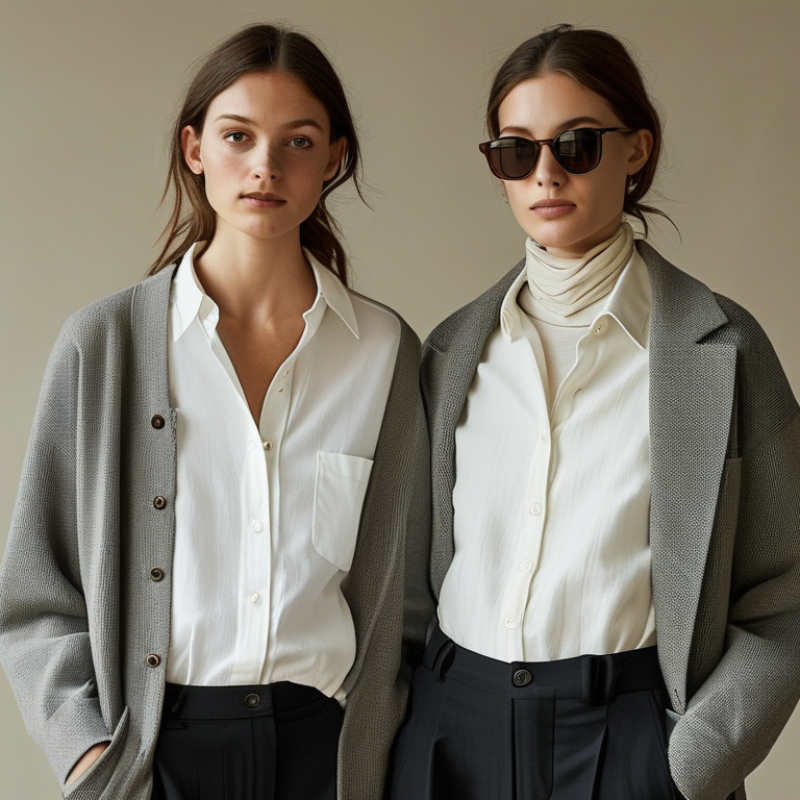
What Is Minimalist Fashion and How Is It Defined?
Minimalist fashion is not simply wearing black, white, or beige. It is a deliberate approach to clothing, guided by function, restraint, and repeat wear. A minimalist wardrobe usually contains fewer pieces, but each piece must earn its place. A soft cotton shirt, straight trousers, and a weatherproof coat may serve several settings. The focus is not visual emptiness. It is useful clarity. In practice, I define minimalist dressing by three questions: Do I wear it often? Does it fit my real routine? Can it work with existing clothes? These questions sound simple. They are not.
The style often uses clean lines, quiet colors, durable fabrics, and limited decoration. Yet minimalism is not a rigid uniform. Someone commuting by bicycle may need breathable layers and secure pockets. Someone working in a formal office may choose structured tailoring. Both can dress minimally when their choices support daily needs. Fabric quality matters, but a high price does not guarantee quality. Check the stitching, seam strength, care label, and how the material feels after washing. I have learned that “timeless” pieces can still become unworn mistakes when the cut restricts movement.
A reliable minimalist wardrobe also leaves room for personality. A textured scarf, silver ring, or faded denim can prevent an outfit from feeling sterile. The goal is not perfection. It is a wardrobe that feels calm, practical, and honest. Still, the method requires reflection. Buying fewer items can become another form of consumption if every purchase feels necessary. Before adding a piece, wear your current options for a week and note the gaps. Real evidence often changes the plan.
Core Principles and Key Features of Minimalist Clothing
Minimalist fashion is not simply wearing black, beige, or loose silhouettes. It is a design and purchasing philosophy built around fewer, better-considered garments. Core principles include simplicity, versatility, durability, and responsible material choices. A white cotton shirt should work with tailored trousers, denim, and layered knitwear. Every item needs a clear purpose.
The numbers explain why this approach matters. Textile Exchange’s Materials Market Report 2024 recorded about 132 million tonnes of global fibre production in 2023. The report expects production to reach roughly 160 million tonnes by 2030. More clothing does not automatically create more value. The Ellen MacArthur Foundation’s A New Textiles Economy estimates that one truckload of textiles is landfilled or burned every second. That figure makes wardrobe restraint feel practical, not merely aesthetic.
Minimalist clothing should feel comfortable, repairable, and easy to maintain. Check fibre composition, seam strength, lining quality, and washing instructions before buying. Cost per wear can reveal real value better than the price tag. Still, minimalism has limits. Fewer garments can still involve poor materials or hidden labour concerns. A small wardrobe is not automatically sustainable. It needs evidence, care, and occasional self-criticism.
Start with three questions: Will I wear it often? Can I combine it easily? Will it remain useful next year?
How to Evaluate Minimalist Fashion Brands
A minimalist fashion brand should be judged by evidence, not muted colors or clean studio photography. Check whether its design reduces unnecessary details while preserving comfort, fit, and repairability. Textile Exchange’s Materials Market Report 2024 recorded 124 million tonnes of global fiber production in 2023. That figure makes material selection important, even for a small wardrobe. Look for clear fiber percentages, recycled-content verification, and manufacturing disclosures. Vague phrases such as “eco fabric” deserve questions.
Durability is more practical than a perfect sustainability claim. Examine seam strength, fabric weight, button attachment, and washing instructions. A white shirt should survive repeated laundering without twisting at the collar. The WRAP clothing durability study found that extending garment life by nine months could reduce carbon, water, and waste footprints by around 20–30%. Ask whether the brand offers repairs, replacement parts, or realistic care guidance. These services reveal whether minimalism exists beyond marketing.
Price also needs context. Divide the purchase cost by expected wears, then compare that result with construction quality. A high price alone proves nothing. Check independent certifications, supplier information, and return policies before trusting impressive language. My own scoring method remains imperfect; it can reward visible transparency while missing factory-level problems. A brand may publish excellent data yet produce fragile clothing. Wear it. Wash it. Inspect the seams.
10 Best Minimalist Fashion Brands: What Is Minimalist Fashion? — How to Evaluate Minimalist Fashion Brands
A practical, evidence-based framework for assessing minimalist fashion without relying on brand names
| No. |
Evaluation Dimension |
What Minimalist Fashion Should Demonstrate |
Reliable Evidence or Benchmark |
| 01 |
Timeless Design |
Simple silhouettes, restrained decoration, neutral or coordinated colors, and shapes that remain wearable beyond short-term trends. |
Review several seasonal collections and check whether core designs remain consistent. |
| 02 |
Wardrobe Versatility |
Garments should coordinate easily with multiple outfits and work across more than one setting, season, or styling approach. |
Prioritize pieces that can create at least three distinct outfits. |
| 03 |
Material Transparency |
Fiber composition, country of manufacture, care instructions, and material sourcing should be clearly disclosed. |
Product pages should provide exact fiber percentages rather than vague terms such as “eco fabric.” |
| 04 |
Durability and Construction |
Strong seams, secure fastenings, stable fabric, reinforced stress points, and construction appropriate for repeated wear. |
Look for repair guidance, fabric weight information, testing details, or a clearly stated warranty. |
| 05 |
Responsible Fiber Use |
Preference should be given to durable, lower-impact fibers selected for the garment’s intended function rather than used only as a marketing claim. |
Recognized standards include GOTS for certified organic textiles and GRS for recycled materials. |
| 06 |
Chemical Safety |
Materials and processing should be managed to reduce harmful chemical exposure for workers, consumers, and the environment. |
OEKO-TEX Standard 100 tests finished textile products for specified harmful substances; EU REACH regulates chemicals placed on the European market. |
| 07 |
Ethical Manufacturing |
Production information should address worker safety, wages, working hours, grievance systems, and supply-chain oversight. |
Look for factory disclosure, independent social audits, corrective-action reporting, or credible labor standards. |
| 08 |
Product Longevity |
High-quality minimalist clothing should be designed for frequent use, with care instructions that help extend its usable life. |
Assess pilling resistance, colorfastness, shrinkage risk, repairability, and availability of replacement components. |
| 09 |
End-of-Life Planning |
Garments should be designed with reuse, repair, resale, recycling, or responsible disposal in mind. |
Positive indicators include repair services, take-back programs, mono-material construction, and clear recycling guidance. |
| 10 |
Value and Buying Restraint |
Minimalism is measured by usefulness and cost per wear, not by purchasing more products with sustainable marketing claims. |
Compare expected wears, maintenance requirements, repair options, and total ownership cost before buying. |
Suggested scoring method: Rate each dimension from 1 to 5, verify claims with documents or certifications, and give greater weight to durability, transparency, labor conditions, and end-of-life planning. A minimalist fashion choice should reduce unnecessary consumption while improving versatility, longevity, and measurable responsibility.
10 Leading Minimalist Fashion Brands to Know
Minimalist fashion is not simply beige clothing or an empty wardrobe. The strongest labels build a smaller visual language through clean cuts, calm colors, and useful details. Their garments often include structured cotton shirts, straight trousers, lightweight knitwear, and unbranded outerwear. These pieces work across seasons, offices, and ordinary travel days.
A practical review of ten leading minimalist fashion brands should examine more than appearance. Check fabric composition, stitching, repair services, supplier disclosure, and return policies.
Textile Exchange’s Materials Market Report 2024 reported that global fiber production reached about 124 million tonnes in 2023 and could exceed 160 million tonnes by 2030. That growth makes material choices increasingly important.
The United Nations Environment Programme estimates that textiles create 2–8% of global greenhouse-gas emissions. A simple design is not automatically a responsible design.
Look closely at the garment.
Durability remains a useful test. Does the collar keep its shape after washing? Are seams reinforced at stress points? Can a missing button be replaced without discarding the shirt? These details reveal real experience better than polished campaign language. A ten-brand selection can identify strong examples, but it may still reward expensive basics and overlook smaller makers. That limitation deserves attention. Minimalism should reduce unnecessary buying, not turn restraint into another status symbol. Affordability, inclusive sizing, and transparent production belong in the same conversation.
How to Choose the Right Minimalist Brand for Your Style
Choosing the right minimalist fashion brand begins with your daily routine, not a trend list.
A useful wardrobe should support real moments, such as commuting, working, traveling, and washing clothes often. Look for clean silhouettes, neutral or adaptable colors, and fabrics that feel comfortable against your skin. A plain shirt is not automatically minimalist if it loses shape after two washes.
Check how each piece is made. Reliable brands usually provide clear fiber details, care instructions, sizing measurements, and information about production standards. Compare shoulder width, sleeve length, and garment measurements instead of trusting a small, medium, or large label. If possible, inspect close-up photographs of seams, hems, buttons, and fabric texture. These details often reveal more than polished advertising.
I once chose a beautiful oversized jacket without checking its weight. It looked refined, but I rarely wore it because it felt heavy and awkward.
Tips: Choose one color palette you already wear. Buy fewer pieces, but test their versatility. Read return policies before ordering. Consider cost per wear, not only the original price. Natural fibers can feel breathable, while recycled or blended fabrics may offer useful durability; neither choice is perfect for every wardrobe. Minimalism can also become restrictive when comfort is ignored. Leave room for one unusual texture, a soft stripe, or a color that genuinely suits you. Your style should feel edited, not empty.
Conclusion
What is minimalist fashion? It is a thoughtful approach to clothing that emphasizes simplicity, functionality, quality, and long-term versatility rather than constant trends or excessive decoration. Minimalist clothing often features clean lines, neutral or coordinated colors, comfortable silhouettes, and carefully selected materials. Its core principles include buying less, choosing well, reducing visual clutter, and building a wardrobe in which each item can be worn in multiple ways.
This guide explains how to evaluate minimalist fashion brands by considering craftsmanship, fabric quality, durability, ethical production, fit, pricing, and overall design consistency. It also introduces ten leading minimalist fashion brands to know without focusing on brand promotion, helping readers understand the different interpretations of minimalist style. Finally, it offers practical advice for choosing the right minimalist brand based on personal preferences, lifestyle, budget, color palette, and desired level of simplicity.

 Sebs Fashion