“What clothing styles are most flattering” depends on fit, proportion, comfort, and personal taste—not on following one prescribed silhouette. When exploring clothing styles from China, think beyond a single traditional look. Contemporary wardrobes may pair clean, tailored jackets with relaxed trousers, while qipao-inspired collars or frog closures can add a distinctive detail. Hanfu-inspired sleeves and flowing layers offer another influence, though their volume may feel less practical for everyday wear. China is not one look.
Fashion consultant Tim Gunn is known for the simple advice, “Make it work.” Applied here, that means adapting a style to your body, routine, and setting rather than copying a complete outfit. A jacket that sits smoothly at the shoulders, trousers that fall cleanly, or a skirt that lets you move can make a stronger impression than a trend alone. Small adjustments matter. Sleeve length, fabric weight, and where a hem ends can change how an outfit feels and looks. That is not always easy to judge from a fitting-room mirror.
This guide will compare modern Chinese-inspired pieces, traditional references, and versatile everyday combinations. It will also consider fabric, cut, and occasion, with practical questions to help you assess fit. No style rule works for everyone. Use the ideas as starting points, then trust your own comfort and experience.
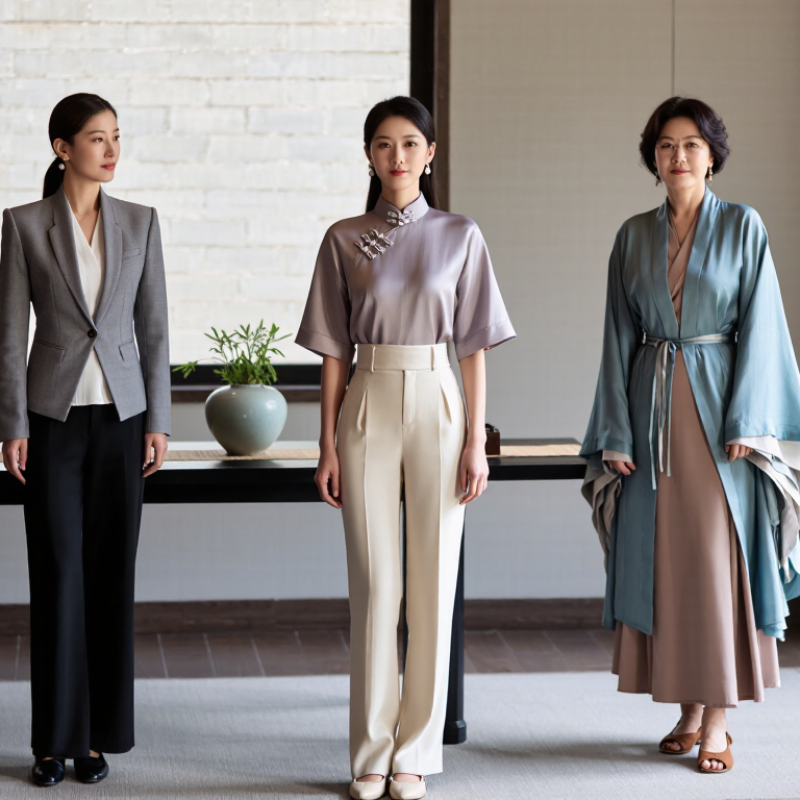
Chinese clothing includes many forms, not one fixed silhouette. Hanfu-inspired outfits often pair a cross-collar top with a wrapped skirt or flowing trousers. Wide sleeves create movement, while a high waist can visually lengthen the legs. Modern versions may use lighter fabrics, shorter sleeves, or separates for easier daily wear. Details matter: a narrow sash, soft pleats, and a collar that sits comfortably can shape the overall effect. Still, historical styles varied by era and region, so no single outfit represents every period of Chinese dress.
The qipao, also called cheongsam, developed through changing urban fashions and tailoring. Its close fit and side fastening can highlight the waist, but a straight-cut version may feel more comfortable and suit more body shapes. A high collar frames the neck; a modest slit helps with movement. Try sitting and walking before choosing a fitted design. Comfort counts. Contemporary qipao-inspired dresses often adjust the length, fabric, and structure, while modern Tang-style jackets bring frog closures and stand collars into casual outfits. These are interpretations, not exact replicas. I find style advice can become too focused on looking slimmer; that misses the pleasure of color, texture, and ease. A garment should feel like yours.
A flattering fit is less about hiding the body and more about balancing its lines. A gently shaped jacket can define the waist without pulling across the hips. High-rise trousers may lengthen the leg visually, while a cropped jacket can make the same outfit feel more compact. Small shifts matter. Check where a shoulder seam lands, how fabric falls from the waist, and whether a hem cuts across the widest part of the calf. These details often affect proportion more than a clothing label does.
Industry sizing research supports this focus on individual measurements. TC²’s SizeUSA survey recorded more than 10,000 3D body scans in the United States; its sample is not China-specific. The data illustrates why a single standard shape is a poor fit for everyone. ASTM International’s D5585 measurement tables also distinguish bust, waist, and hip measurements rather than treating size as one number. For Chinese-made clothing, compare garment measurements with your own, especially at the shoulder, waist, and hip. I still find that a size chart can’t predict how a fabric will drape. A soft linen blend may relax through the hip, while a firm weave can feel restrictive, even when the measurements look right.
For different body shapes, fabric weight and drape often matter more than a size label. Fluid crepe or fine cotton can skim the waist and hips without clinging. Structured cotton or linen holds a clean shoulder line, though it may feel stiff in humid weather. If you prefer a defined waist, try a shaped seam or soft belt instead of tight fabric. Feel the fabric. A mirror cannot tell you everything.
Color can guide the eye, but it should still suit your skin tone and daily setting. A deeper shade on one area, paired with a lighter top, creates gentle contrast. No hard rule. Small, closely spaced prints may look quieter on a petite frame; larger motifs can feel balanced on a taller frame or broader silhouette. Check the pattern at normal viewing distance, not only in a close-up photo.
Fit changes how every pattern and color reads. Vertical seams, open layers, or narrow stripes can lengthen the outline, while horizontal details add visual width where desired. Try the garment seated and standing; a waistband that looks smooth in a mirror may crease after ten minutes. I sometimes find a supposedly “safe” neutral dulls the whole outfit. Keep what feels comfortable, and adjust one detail at a time.
Traditional-inspired designs often draw attention through shape and detail. A qipao-inspired high collar frames the neck, while side slits allow easier movement. These elements can look especially balanced when the garment fits the shoulders without pulling across the chest. Smooth fabric also shows seams clearly. Still, a close fit is not automatically more flattering. Comfort matters, and bodies vary.
Contemporary Chinese fashion often mixes familiar details with relaxed tailoring. A crisp jacket with frog closures can sit over wide-leg trousers, creating contrast without feeling costume-like. Oversized shirts, clean lines, and practical pockets offer another direction. For a shorter frame, a cropped jacket may define the waist; longer layers can suit someone who prefers a looser outline. These are starting points, not rules. Proportion is personal.
The most useful comparison is not old versus new, but how each piece moves and feels. Try sitting, raising your arms, and checking where a hem lands. Small adjustments can change the whole look. I find this balance tricky: too many decorative details may compete, while stripping everything back can erase the character that drew you to the garment. A thoughtful mix usually feels more wearable.
Traditional-Inspired Designs Compared with Contemporary Chinese Fashion
The ratings are illustrative editorial scores on a 1–5 scale, describing common design cues rather than measured fit or survey results. A defined waist or long vertical line may appeal to some preferences, while flowing volume offers a different effect; the most flattering choice depends on personal fit and styling.
A flattering Chinese-inspired outfit should suit the setting and let you move naturally. For a formal dinner, a modern qipao-inspired dress can look elegant; check that you can sit comfortably and lift your arms. For daily wear, a softly structured jacket with straight-leg trousers offers shape without feeling restrictive. Comfort shows.
Fabric and fit matter more than a label or a trend. A stand collar can frame the face, while a wrap-style top allows room for movement. Try the outfit while seated, walking, and reaching for a bag. If a seam pulls or sleeves ride up, the look may feel less polished by the end of the day. I still catch myself choosing a striking outfit over a practical one. That choice does not always work.
Budget can shape these decisions, too. McKinsey and The Business of Fashion’s State of Fashion 2024 consumer survey found that 71% of respondents expected to spend the same or less on fashion. Versatile pieces may therefore earn more wear: pair a tailored jacket with jeans for errands, then wear it with a skirt for a gathering. Personal preference still counts. If a silhouette feels too formal, too fitted, or simply unlike you, adjust it; “flattering” is not one fixed shape.
They may pair a cross-collar top with a wrapped skirt or flowing trousers. Wide sleeves add movement, while a narrow sash defines the waist. Historical styles varied by era and region.
Look for lighter fabrics, shorter sleeves, or separate pieces. Soft pleats and a comfortable collar can help. Small changes matter.
Try sitting, walking, and lifting your arms. Check whether the collar feels comfortable and the side slit allows movement. A straight cut may feel less restrictive.
Yes. Pair a softly structured jacket with straight-leg trousers for errands. A wrap-style top can also leave more room to move.
Wear a tailored jacket with jeans during the day. Pair it with a skirt for a gathering. One useful piece can earn more wear.
A high waist can make the legs appear longer. A stand collar frames the face, while soft pleats add texture. The effect depends on the fit.
Not necessarily. A close fit may highlight the waist, but it can feel uncomfortable when seated. I sometimes choose the striking option, then regret it by evening.
Usually not. Modern designs may change the length, fabric, or structure. They are interpretations, and one outfit cannot represent every period.
This guide explores what clothing styles are most flattering by looking at how traditional Chinese garments and contemporary designs can work for different preferences and body shapes. It explains how silhouette, garment length, and proportion influence the overall fit, while showing how details such as structured shoulders, flowing lines, or a defined waist can create a balanced appearance. Rather than relying on a single ideal shape, the guide encourages readers to consider how clothing sits and moves on their own bodies.
It also discusses choosing fabrics, colors, and patterns to suit individual proportions and comfort needs. Traditional-inspired designs are compared with modern Chinese fashion, highlighting ways to adapt distinctive elements for everyday wear or special occasions. Ultimately, the most flattering choice is one that feels comfortable, suits the setting, and reflects personal taste.
Sebs Fashion