What Are the Top 10 Benefits of Eco Friendly Clothing?

Time:2026-10-08 Author:Aria
0%

What are the benefits of eco-friendly clothing? This question reaches beyond soft fabrics and attractive labels. It examines how clothing is designed, produced, worn, washed, and eventually discarded. A low-impact shirt may use organic cotton, recycled polyester, hemp, or responsibly sourced wool. Each option carries different environmental costs and practical advantages.

The top 10 benefits often include reduced resource use, lower chemical exposure, better durability, and less textile waste. Some garments need less water during production. Others give discarded materials a second life. A well-made jacket can survive several winters, rather than one season. That difference matters when millions of unwanted clothes enter waste systems each year.

Eco-friendly clothing may also support clearer supply chains and stronger workplace standards. However, no fabric is perfect. Recycled synthetics can still release microfibers during washing. Organic fibers may require more land or careful irrigation. Certifications can provide useful evidence, but shoppers should read their scope and standards carefully. Green claims deserve questions.

Look closely.

This guide explores ten practical benefits through environmental, personal, and social perspectives. It considers real experiences, including repeated washing, fading, shrinking, and repair. It also separates measurable improvements from marketing language. The goal is not to present sustainable fashion as flawless. It is to help readers make informed choices, such as buying fewer pieces, selecting durable construction, and using clothing longer. A thoughtful purchase begins with evidence, not guilt.
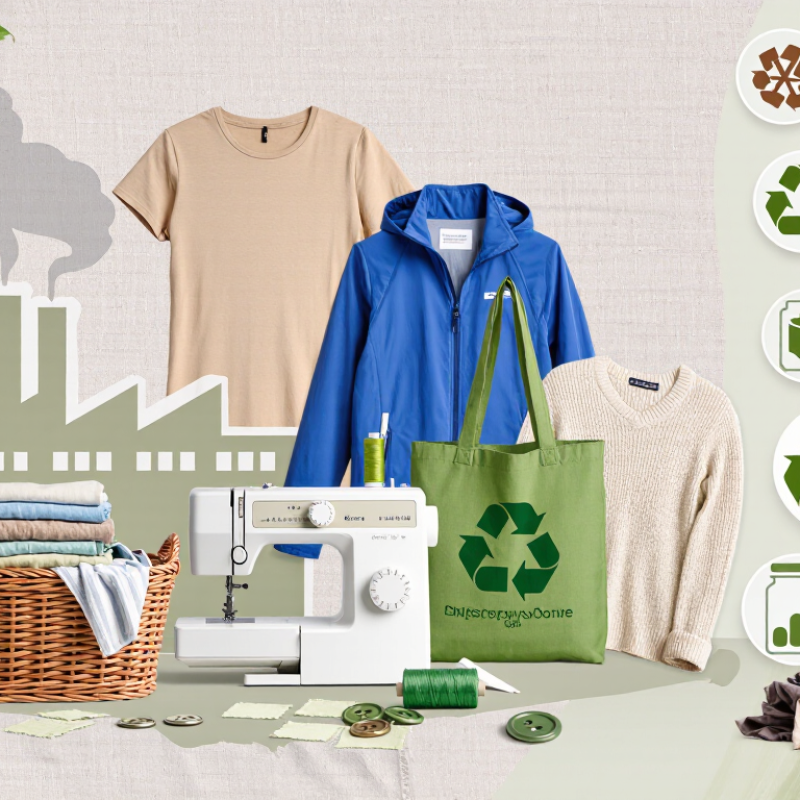
What Are the Top 10 Benefits of Eco Friendly Clothing?

Definition and Core Principles of Eco-Friendly Clothing

Eco-friendly clothing is apparel designed to reduce harm throughout its life cycle. That includes fiber farming, spinning, dyeing, sewing, transport, washing, and disposal. Its core principles are resource efficiency, safer chemistry, durability, repairability, and responsible labor. A linen shirt, for example, may use less irrigation than conventional cotton in some conditions. However, farming methods and local climate can change that result. The definition is practical, not magical. One material rarely solves every problem.

In my experience, a durable shirt that survives repeated washing can prevent more waste than a fashionable “green” item worn twice. Good design uses strong seams, comfortable cuts, and care labels people can follow. Transparent production records also matter. They can show where fibers came from and how workers were treated. Independent certifications may offer useful evidence, but labels still need careful reading. Recycled content can reduce virgin resource use, yet it may shed fibers during washing. I sometimes expect eco-friendly choices to be simple. They are not.

Tips: Check the fiber content and care instructions before buying. Choose versatile pieces you can wear often. Wash in cool water, use a full load, and air-dry when possible. Repair loose buttons early. Ask, “What happens after use?” That question can reveal gaps in environmental claims.

Benefit 1–2: Reducing Pollution and Conserving Natural Resources

Eco-friendly clothing can reduce pollution at several stages of a garment’s life. Conventional fiber production may consume large amounts of water, energy, and chemical treatments. Some dyes also release polluted wastewater when factories lack effective treatment. Choosing lower-impact fibers and responsibly managed dyeing can reduce pressure on rivers and nearby communities. The difference is practical. A shirt washed in cold water can last for years. A cheap replacement may arrive within months. Not perfect, but meaningful.

This benefit depends on evidence, not attractive wording. Look for clear fiber information, durability details, and credible third-party certifications. Independent lifecycle assessments can reveal trade-offs that marketing copy hides. Recycled fibers may reduce demand for new petroleum-based materials. Organic or regenerative plant fibers may support healthier soil practices. Each option has limits. Recycled synthetics can shed microfibers, and some natural fibers still require substantial water. Honest evaluation matters more than a “green” label.

Conserving natural resources also means buying fewer, better-used garments. Repairing a loose seam, washing less often, and air-drying extend clothing’s useful life. In practice, simple care habits often matter more than an ideal material choice. Still, consumers cannot solve factory pollution alone. Manufacturers need transparent water data, safer chemistry, and durable design. Progress is real, but the clothing sector remains imperfect.

Benefit 3–4: Saving Water and Lowering Energy Consumption

Eco-friendly clothing can help conserve water throughout its life cycle. Conventional cotton may require substantial irrigation, especially in dry regions. Dyeing and finishing also consume water and can create polluted wastewater. Organic or recycled fibers may reduce pressure on freshwater supplies, but results depend on farming and processing methods. Lower-water dyeing techniques can make a meaningful difference.

Every drop matters.

Energy use is another important benefit. Producing recycled fibers often requires less energy than manufacturing new synthetic materials. Durable fabrics also reduce energy demand because they need replacing less often. At home, washing clothes in cold water and air-drying them can lower electricity use considerably. A cool wash, a full machine, and a sunny clothesline are simple choices with practical value.

Small habits add up.

Independent life-cycle assessments support these benefits, although clothing impacts are not perfectly predictable. A recycled garment may still involve energy-intensive transport or difficult blending processes. I have found that fabric labels do not tell the whole story. A lightweight shirt that lasts five years may be more responsible than a supposedly greener shirt replaced every season. Consumers should check durability, care instructions, fiber content, and credible environmental claims before buying.

Benefit 5–7: Supporting Ethical Labor, Animal Welfare, and Local Communities

What Are the Top 10 Benefits of Eco Friendly Clothing?

Benefit 5–7: Supporting Ethical Labor, Animal Welfare, and Local Communities

Benefit 5: Supporting Ethical Labor

Choosing eco-friendly clothing can make working conditions more visible. A lower-impact garment should not depend on unsafe factories or unpaid overtime. Look for transparent supply chains, clear wage policies, and credible third-party audits. These signals are useful, but they are not perfect. Audits can miss temporary workers or sudden production pressure. That uncertainty matters.

Benefit 6: Protecting Animal Welfare

Material choices can reduce pressure on animals. Plant fibers, recycled synthetics, and carefully verified alternatives may replace fur, exotic skins, or poorly sourced wool. For animal-based fibers, ask how animals are treated, transported, and protected from unnecessary harm. Terms like “natural” or “responsible” alone prove little. Evidence matters more.

Benefit 7: Strengthening Local Communities

Buying clothes made closer to home can keep skills and income within a region. Small workshops may employ dyers, sewers, repairers, and pattern makers. That support can help preserve traditional techniques, especially when orders are stable and fairly paid. However, local production is not automatically ethical. Workers still need safe spaces, reasonable hours, and a voice at work. When a maker offers spare buttons or mending guidance, the garment feels designed for longer use. Still, one good detail cannot prove an entire system is fair. Evidence can remain incomplete.

What Are the Top 10 Benefits of Eco Friendly Clothing? — Benefits 5–7: Supporting Ethical Labor, Animal Welfare, and Local Communities

Benefit Key Area Supported Evidence-Based Data How Eco-Friendly Clothing Can Help Useful Measurement Indicators Authoritative Reference
5 Supporting Ethical Labor Safer workplaces, fair treatment, decent wages, freedom from forced labor, and respect for workers’ rights throughout the textile supply chain. The International Labour Organization estimated that 27.6 million people were in forced labour in 2021. The global garment and textile sector is among the industries requiring strong supply-chain due diligence. Longer-lasting garments, transparent sourcing, responsible purchasing standards, worker representation, and credible social audits can encourage better labor practices and reduce pressure for excessively low-cost production. Living-wage coverage; working-hour compliance; workplace injury rate; freedom-of-association access; grievance cases resolved; percentage of suppliers with documented labor due diligence. International Labour Organization, Walk Free and International Organization for Migration, “2022 Global Estimates of Modern Slavery.”
6 Promoting Animal Welfare Responsible treatment of animals used for natural fibers, including appropriate housing, nutrition, health care, handling, and protection from unnecessary suffering. The internationally recognized “Five Freedoms” framework identifies freedom from hunger and thirst, discomfort, pain and disease, fear and distress, and the ability to express normal behavior as core animal-welfare conditions. Choosing recycled, plant-based, or certified animal-derived fibers can reduce avoidable animal use or improve traceability. When animal fibers are used, welfare-focused standards can require responsible husbandry and supply-chain controls. Fiber origin traceability; animal-welfare standard coverage; prohibition of mulesing or other harmful practices where relevant; veterinary-care requirements; farm and processing-site verification. Farm Animal Welfare Council, Report on Priorities for Animal Welfare; World Organisation for Animal Health, animal-welfare principles.
7 Strengthening Local Communities Stable employment, small producer income, local skills, community resilience, and economic opportunities in farming, fiber production, repair, reuse, and garment manufacturing. The United Nations Sustainable Development Goal 8.3 promotes productive activities, decent job creation, entrepreneurship, creativity, innovation, and the formalization and growth of micro-, small-, and medium-sized enterprises. Purchasing durable products, repairing garments, using local or regional production where feasible, and supporting producer cooperatives can keep more value in communities and create demand for skilled, long-term work. Local employment share; percentage of spending retained locally; number of supported artisans or small producers; repair and reuse jobs created; producer income stability; community-benefit projects. United Nations, Sustainable Development Goal 8: Decent Work and Economic Growth; International Labour Organization guidance on cooperatives and decent work.

Interpretation: Eco-friendly clothing supports these benefits most effectively when environmental claims are combined with verifiable labor protections, animal-welfare requirements, transparent sourcing, durable design, repairability, and meaningful community participation.

Benefit 8–10: Improving Durability, Health, Transparency, and Long-Term Value

Eco-friendly clothing can offer stronger durability when makers choose dense weaves, reinforced seams, and well-tested natural or recycled fibers. A practical check is simple: inspect stitching, stretch the fabric gently, and read the care label. Durable clothing keeps its shape after repeated washing, reducing replacement costs and textile waste. Still, no garment lasts forever. Poor care can shorten its life.

Health benefits may come from carefully controlled dyes, breathable fibers, and fewer irritating finishes. This matters for people with sensitive skin, especially when clothing touches the body for many hours. However, “natural” does not automatically mean harmless. Skin reactions vary, so washing new garments before use remains sensible. Transparency helps consumers judge these details. Reliable information should include fiber percentages, production locations, dyeing methods, and credible safety testing. Vague green claims deserve caution.

Tips: Compare the fabric weight, seam strength, and care instructions before buying. Choose versatile pieces that work across seasons. Track each garment’s cost per wear. A higher price may become reasonable after dozens of uses, but only if the item fits your routine. Keep receipts and product details when possible. That small record makes future choices more informed, although my own buying decisions are not always perfectly consistent.

What Are the Top 10 Benefits of Eco-Friendly Clothing?

Benefits 8–10: Improving Durability, Health, Transparency, and Long-Term Value

Eco-friendly clothing can deliver long-term value by encouraging longer garment use, reducing waste, and supporting greater supply-chain transparency. Research indicates that extending a garment’s life by nine months can reduce its carbon, water, and waste footprints by approximately 20–30%. Other textile-sector indicators show that clothing utilization declined by 36% between 2002 and 2016, while around 73% of clothing was estimated to end up in landfill or incineration. The transparency figure represents an industry-wide benchmark rather than any individual company. Health benefits depend on factors such as safer chemical management, product testing, and individual skin sensitivity.

Sources: WRAP, Valuing Our Clothes (2012); Ellen MacArthur Foundation, A New Textiles Economy (2017); Fashion Revolution, Fashion Transparency Index (2023).

FAQS

How can eco-friendly clothing help conserve water?

Organic or recycled fibers may reduce freshwater pressure, depending on farming and processing methods. Lower-water dyeing also helps. Every drop matters.

Can clothing choices reduce household energy use?

Yes. Wash clothes in cold water, fill the machine, and air-dry them on a sunny clothesline. Small habits add up.

Is recycled clothing always better for the environment?

Not always. Transport and difficult fiber blending can use significant energy. Check durability, fiber content, and credible environmental claims.

Why does garment durability matter?

A lightweight shirt lasting five years may be better than a greener-looking shirt replaced every season. Longevity changes the calculation.

How can clothing support ethical labor?

Look for transparent supply chains, clear wage policies, and independent audits. These signs help, but they can miss temporary workers or sudden production pressure.

Do natural materials guarantee animal welfare?

No. “Natural” and “responsible” prove little alone. Ask how animals are treated, transported, and protected from unnecessary harm.

How can local clothing production benefit communities?

Nearby production can support dyers, sewers, repairers, and pattern makers. Stable, fair orders may preserve traditional skills and regional income.

Does local production automatically mean fair production?

No. Workers still need safe spaces, reasonable hours, fair pay, and a voice at work. One spare button proves very little.

Conclusion

Eco-friendly clothing is designed with environmental responsibility, social fairness, and long-term use in mind. So, what are the benefits of eco-friendly clothing? It can reduce pollution by using safer materials and cleaner production methods, while also conserving natural resources through recycled, renewable, or responsibly sourced fibers. These practices often require less water and energy, helping lower the environmental impact of manufacturing.

Eco-friendly clothing can also support ethical labor, animal welfare, and local communities by encouraging fair working conditions, responsible sourcing, and humane production choices. In addition, durable construction allows garments to last longer, reducing waste and offering better value over time. Clear information about materials and production improves transparency, while carefully selected fabrics may provide a more comfortable and health-conscious wearing experience. Overall, eco-friendly clothing connects personal style with resource conservation, responsible consumption, and a more sustainable future.

Aria

Aria

Aria is a dedicated marketing professional with a deep passion for innovative strategies and a keen understanding of our company's product offerings. With a wealth of experience in the industry, Aria excels at crafting engaging content that highlights the unique features and benefits of our......