In today's fast-paced world, mastering the art of how to mix and match wardrobe essentials is essential for effortless style. According to a recent report by McKinsey, 66% of consumers want to invest in timeless pieces. This reflects a growing emphasis on quality over quantity, signaling the need for versatile outfits.
Mixing and matching helps create a variety of looks from limited pieces. A solid understanding of color theory, fabric compatibility, and silhouette balance are crucial. The fashion industry advocates for a minimalist approach, yet many still struggle with overstuffed wardrobes filled with rarely worn items. Mindful selections can foster creativity and personality in one’s style.
With the right strategies, anyone can develop a signature look that speaks to their individuality. However, it is important to recognize that fashion is subjective. There may be days when an outfit feels off. Embracing those moments leads to personal growth in understanding what works best. Ultimately, learning how to mix and match wardrobe essentials is a journey of self-discovery and style evolution.
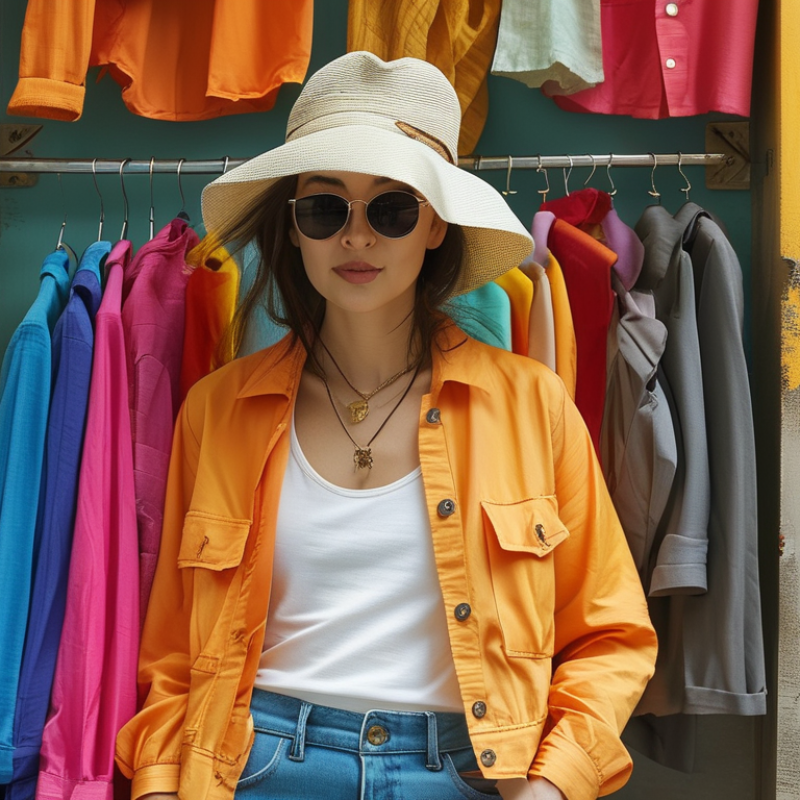
Understanding your wardrobe essentials is key to maximizing their versatility. These items form the backbone of your style. They are often basics like a classic white shirt, tailored trousers, or a little black dress. Each piece can be transformed with creative pairing.
One tip is to play with textures. A crisp cotton shirt can be dressed up with a leather jacket. This mix creates an intriguing contrast. Don't shy away from pairing items you may think clash. Sometimes unexpected combinations work wonders.
Color coordination is another vital tip. Stick to a palette that complements your complexion. Neutrals are versatile but adding a bold color can elevate your look. Experiment with layering. A simple tank top with a cardigan can create depth. These choices require reflection and can lead to fashion missteps. But the journey of mixing and matching is part of the process. Embrace the learning curve as you explore your unique style.
When it comes to mixing and matching wardrobe essentials, identifying key color palettes is essential. A cohesive color scheme makes coordination effortless. Start with neutrals. Colors like black, white, beige, and gray can serve as a strong foundation. These colors are versatile and blend well with almost everything.
Next, introduce accent colors. Choose two or three shades that resonate with your style. Think about deep greens, warm rusts, or soft pastels for a fresh look. They should complement the neutrals you’ve selected. For instance, a cream sweater can pair nicely with olive green trousers. This creates a polished yet approachable outfit.
It's important to notice how colors interact. Sometimes, what looks good in theory might not work in practice. A vibrant red may clash with certain shades of blue. Experimentation is key. Don't hesitate to try combinations that seem unconventional. You might stumble upon a unique look that reflects your personality. Pay attention to how the colors make you feel. This can inform future choices. Mixing and matching doesn't have to be perfect; it's about expressing yourself and enjoying the journey.
Layering is essential for creating outfits that adapt to different seasons. Start with a base layer, choosing breathable fabrics like cotton or linen in warmer months. As temperatures drop, add a cozy knit or a light jacket. These pieces not only provide warmth but also add depth to your look. The key is to combine varying textures and weights. A chunky sweater over a smooth shirt can create visual interest.
Accessorizing plays a crucial role in layering. Scarves, hats, and belts can elevate an outfit while offering practical benefits. Consider mixing colors and patterns thoughtfully. For instance, a neutral bottom can complement a patterned top, striking a balance that feels visually pleasing. Don’t be afraid to experiment; layering can sometimes feel chaotic, but the right combination takes practice.
Reflect on your personal style. It’s okay if certain layers don’t work out as planned. Fashion is about self-expression, and what feels comfortable to one might not resonate with another. Embrace trial and error. Over time, you’ll discover what combinations bring you confidence while keeping you stylish throughout the year.
Accessories play a crucial role in transforming your wardrobe essentials. A simple dress can shift from casual to chic with the right add-ons. Consider statement jewelry: a bold necklace or oversized earrings can turn a basic outfit into something special. Try layering different textures, like a denim jacket over a flowing dress. This adds depth and personality.
Scarves are another versatile option. A colorful scarf can elevate a neutral outfit instantly. Wear it around your neck, as a headband, or even tied to your bag. Experimenting with colors and patterns is key. Mixing and matching can seem daunting, but the process is exciting. What if the colors clash? That’s part of the journey. Sometimes, you’ll hit the mark; other times, it might feel off. Reflecting on what works can refine your style.
Footwear also makes a significant impact. Swap casual sneakers for sleek ankle boots to change the vibe. Adding a hat can bring a unique flair. Balancing elements is essential. Too many accessories can overwhelm an outfit. Find that sweet spot where accessories enhance without overshadowing. Embrace the learning curve; each outfit is an opportunity to discover your personal style.
Mixing patterns and textures elevates your wardrobe. Start with a simple base. Choose neutral pieces to create a versatile foundation. A plain white tank or black jeans can complement various styles. Once your base is set, explore different fabrics. Combining cotton with silk adds depth. Try layering a denim jacket over a flowy dress for contrast.
Patterns can be tricky. Stripes, florals, and polka dots can clash. Be bold but balanced. Pair a striped top with a floral skirt, ensuring one pattern dominates. Choose similar color palettes to tie them together. For example, soft blues in both patterns can unify the look. Use accessories to introduce more textures, like a chunky knit scarf or leather belt.
It’s okay if not every combination works perfectly. Experimentation is key. You might discover a pattern pairing that surprises you or maybe feel uncertain about a new look. Embrace the process. Sometimes, the best outfits come from unexpected trials. Keep an open mind and enjoy the creative journey. Each attempt shapes your unique style and understanding of fashion.
: Accessories can transform a simple dress into a chic look with statement pieces like necklaces or earrings.
Scarves can be worn around the neck, as a headband, or tied to a bag for a pop of color.
Yes, mixing patterns can be tricky. But pairing different patterns with a common color can create balance.
Too many accessories can overwhelm. Look for a balance where they enhance without overshadowing your outfit.
Begin with neutral base pieces, like a plain tank or black jeans, to make mixing easier.
Layering different fabrics and textures, like a denim jacket over a dress, creates visual interest and depth.
Experimenting means sometimes it won't work. Reflect on what looks good and learn from it to refine your style.
Yes, swapping casual sneakers for ankle boots can dramatically alter the feel of your outfit.
Embrace trial and error. Unexpected combinations can lead to unique styles you might love.
Absolutely. Not every combination will be perfect. Enjoy the learning process and keep trying new looks.
In "Top 10 Tips to Mix and Match Your Wardrobe Essentials," readers learn how to effectively blend and coordinate their clothing items for a versatile and stylish wardrobe. The article emphasizes understanding your wardrobe essentials and highlights their inherent versatility, allowing for creative outfit combinations. Key color palettes are identified to facilitate effortless coordination, while layering techniques are discussed for adapting outfits across different seasons.
Additionally, the article encourages incorporating accessories, which can enhance and diversify looks, making them more dynamic. It also invites readers to experiment with patterns and textures, promoting unique styles that express individuality. Overall, the article serves as a practical guide on how to mix and match wardrobe essentials, empowering readers to maximize their fashion choices.

Sebs Fashion