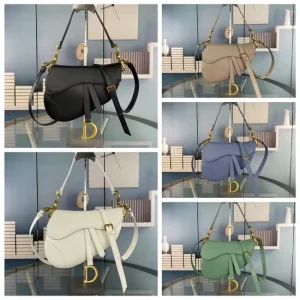
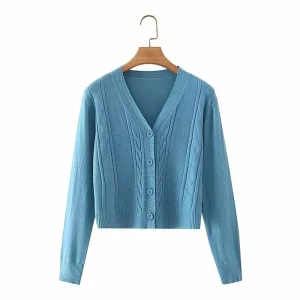
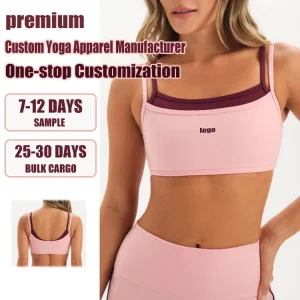
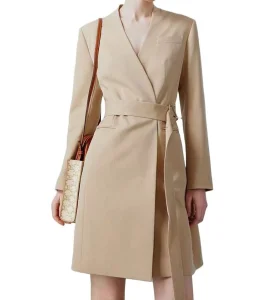
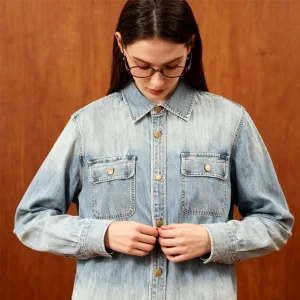
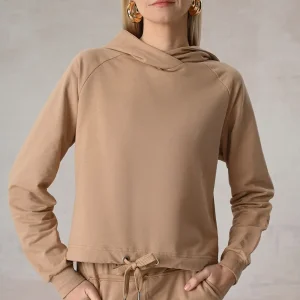
Explore our premium selection of export-quality garments and footwear designed for boutiques, online retailers, and global distributors.
The global women’s footwear landscape is undergoing a structural transformation. For procurement directors, sourcing agents, and brand owners, importing Women’s Fashion Boots from China represents a strategic intersection of high-tier craftsmanship, agile supply chains, and superior cost-to-quality ratios. The days when China served merely as a low-cost production factory are gone. Today, the nation boasts high-tech manufacturing ecosystems capable of handling premium leather footwear, complex structural boot designs, and ecological material certifications.
In particular, the market demands high flexibility in order volumes and rapid turnarounds to keep pace with micro-seasons. Whether your focus is on over-the-knee stretch boots, classic leather chelseas, or chunky technical lug-sole boots, partnering with a supplier that integrates design capabilities (ODM) and absolute technical manufacturing compliance (OEM) is critical. Below, we dissect the key pillars driving the Chinese footwear manufacturing sector, detailing how modern factories solve B2B logistics, product safety compliance, and ESG standards.
Leveraging high-tech 3D design software and digital prototyping to reduce the time-to-market window from months to under 14 days.
Strict alignment with REACH, California Prop 65, and LWG (Leather Working Group) parameters for premium quality and safety.
Deep-rooted synergy between raw material suppliers, structural outsoles makers, and specialized footwear artisans in China.
The women's fashion boot industry is driven by two parallel forces: comfort-focused engineering and aesthetic adaptability. The post-pandemic shift toward functional utility has established the dominance of hybrid styles. Today's consumer expects boots that transition effortlessly from wet outdoor environments to climate-controlled corporate settings.
Global brands are prioritizing sustainable sourcing. As key players in the boot manufacturing sector, premium Chinese factories are actively reducing their dependency on petrochemical synthetic leathers. Development teams are utilizing water-based Polyurethane (PU), bio-derived plant-based leathers (such as apple skin and pineapple fiber), and certified recycled poly-fabrics. For genuine leather boots, partnerships with tanneries audited by the Leather Working Group (LWG) ensure zero-waste water treatments and non-hazardous chromium-free tanning processes.
Historically, high-fashion boots prioritized visual silhouette over comfort. The modern trend integrates high-performance athletic footwear technology into dress boots. Innovations include triple-density memory foam footbeds, arch support shanks engineered from lightweight carbon fiber, and shock-absorbing thermoplastic rubber (TPR) or polyurethane (PU) midsoles. Our manufacturing processes include biomechanical testing of boot lasts to minimize foot strain over long-wear durations.
Sustainability also translates to longevity. We are seeing increased demand for modular boots—designs featuring detachable shafts, interchangeable heels, or removable weather-resistant gaiters. This permits a single shoe base to satisfy multiple consumer intents: a short chelsea boot for daytime work and a statement knee-high fashion boot for evening engagements.
B2B procurement managers face distinct challenges: predicting shifts in regional consumer behavior, managing long transit times, and shielding operations from volatile supply chains. Sourcing from experienced manufacturers allows buyers to build flexibility into their merchandise planning.
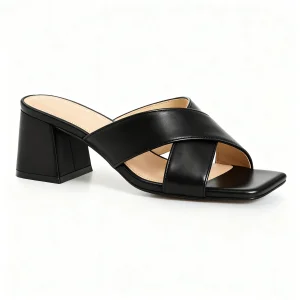
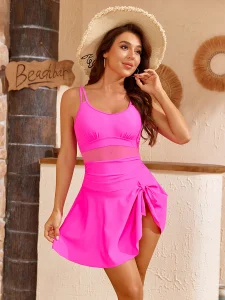
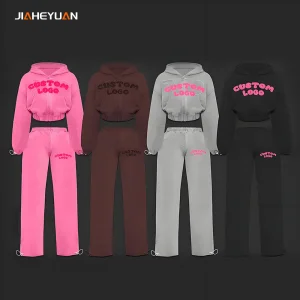
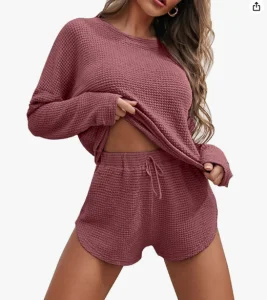
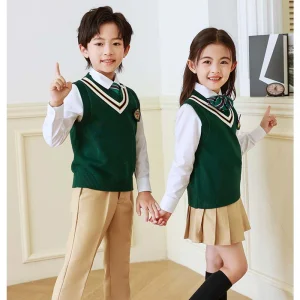
In fashion hub coordinates like Guangzhou, apparel and footwear ecosystems are deeply intertwined. Guangzhou Sebs Fashion Co., Ltd. represents a classic example of this modern integration. While Sebs Fashion has built its reputation as a leading manufacturer of premium apparel—including wool pullover sweaters, cardigan knits, formal wear, and custom logo hoodies—the dynamic nature of modern fashion retail requires a unified supply chain response. Global buyers increasingly seek consolidated sourcing strategies where footwear (boots and sandals) is co-designed and produced alongside apparel lines to ensure unified color palettes, material harmony, and synchronized delivery schedules.
Entering strict regulatory markets like North America and the European Union requires absolute transparency. Women's boots must not only look visually stunning but must also pass rigorous chemical and structural safety tests.
As a leading supplier, our production pipelines strictly adhere to major localized standards:
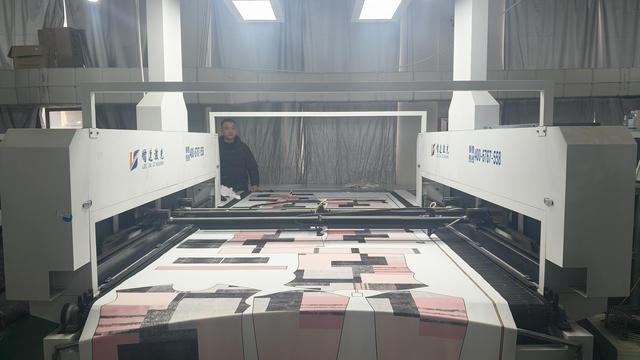
Our long-term engineering outlook targets fully automated, zero-waste manufacturing systems. The implementation of computer-guided CAD pattern nesting reduces leather and synthetic waste by up to 18%. Furthermore, our transition to hot-melt, solvent-free adhesives minimizes VOC emissions inside our assembly lines, offering a safer working environment and an eco-friendly end product.
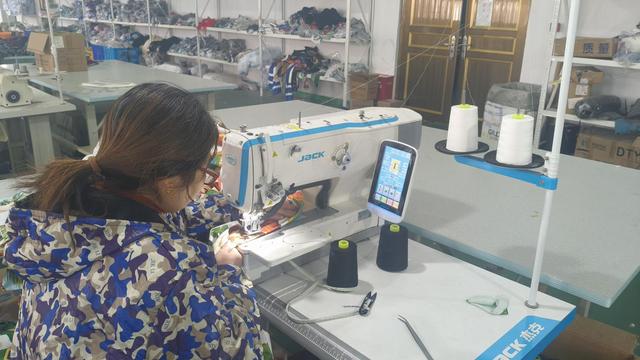
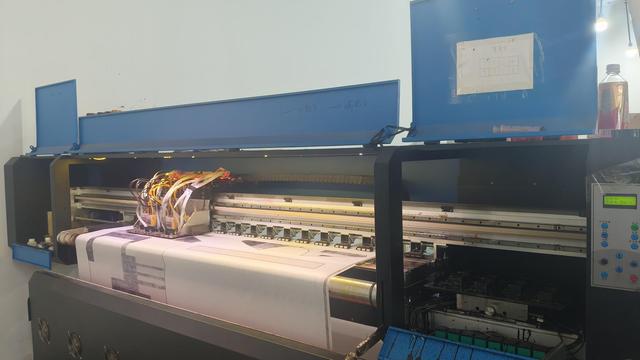
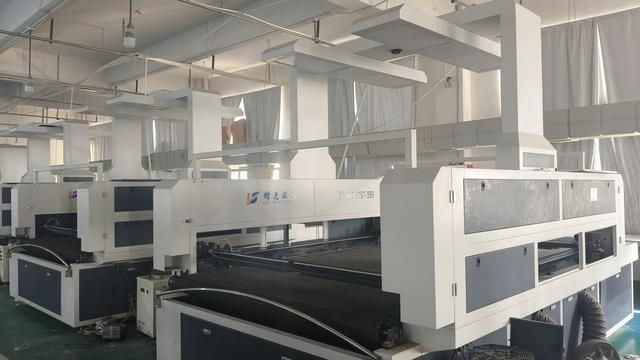
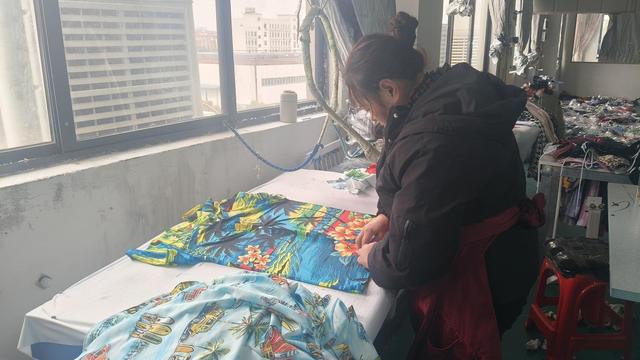
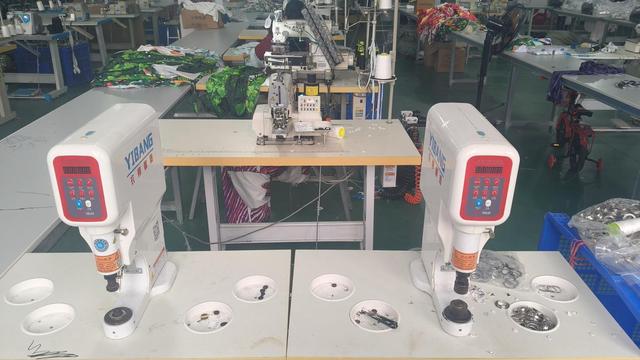
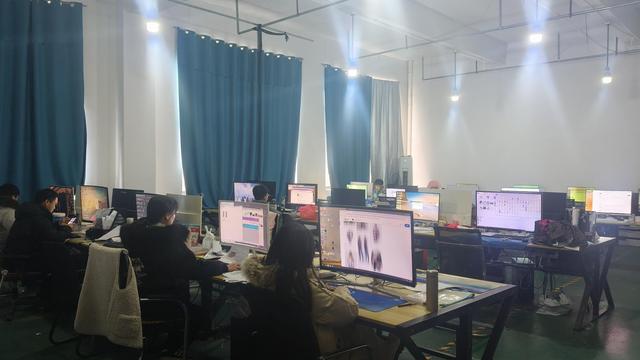
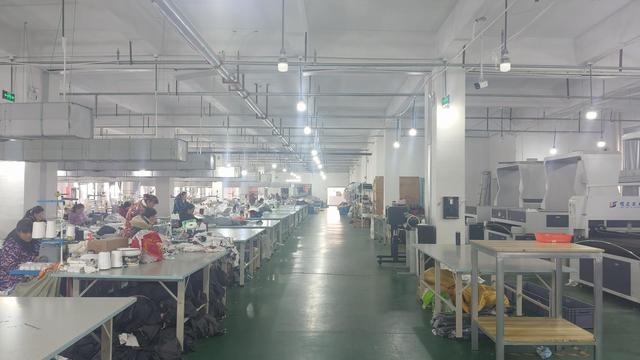
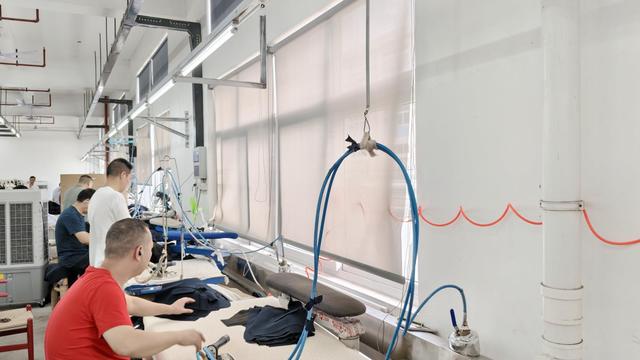
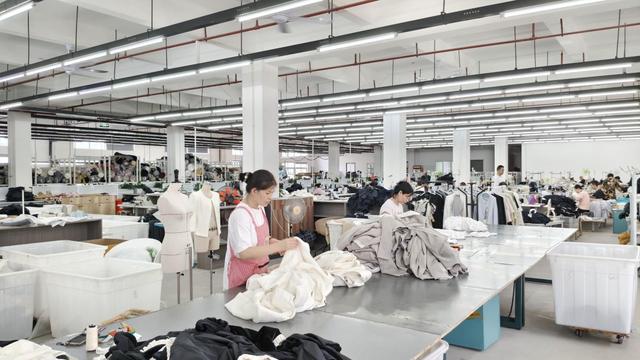
Below is an inside look at our advanced manufacturing networks, illustrating our commitment to quality, efficiency, and scaled factory operations.
We address the most critical operational questions asked by purchasing directors and supply chain managers.
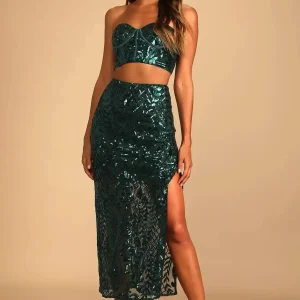
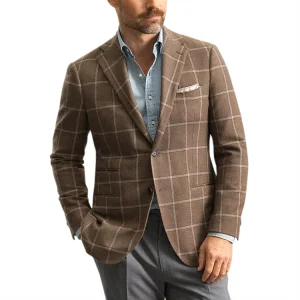
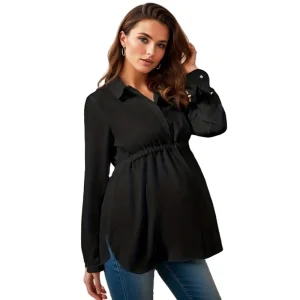
Discover more specialized clothing options and custom outerwear solutions from our consolidated Guangzhou export collection.
 Sebs Fashion