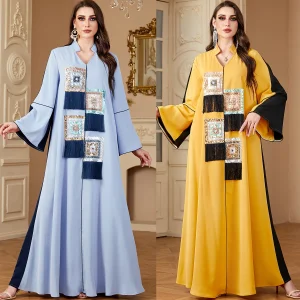
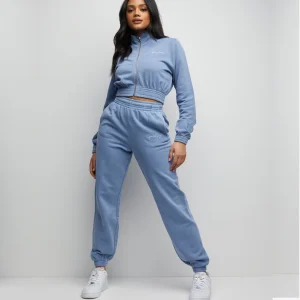
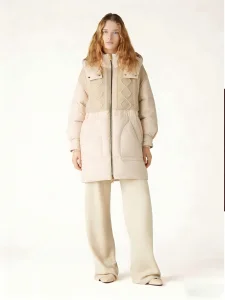
Explore our premium selection of low-impact, highly durable, and custom-manufactured women's apparel. Each garment represents a balanced synergy of technical performance and ecological responsibility.
The global textile industry is undergoing a structural transition from linear production systems—traditionally defined by a raw-material-extractive approach—to closed-loop, circular economies. B2B apparel buyers, institutional retailers, and global fashion conglomerates face intensifying regulatory, financial, and consumer pressure to decarbonize their supply chains. Within this paradigm, upcycled and circular apparel design is no longer an optional CSR (Corporate Social Responsibility) pilot; it has evolved into a strategic necessity to mitigate supply chain risks, align with global green finance criteria, and secure consumer loyalty.
"Guangzhou Sebs Fashion Co., Ltd. operates at the center of this transformation, leveraging China's advanced textile manufacturing cluster to engineer women's apparel that seamlessly merges aesthetic appeal, high mechanical durability, and measurable ecological benefits."
As a premier women's clothing manufacturer based in Guangzhou, China, Sebs Fashion combines trend-driven design expertise with advanced garment production capabilities. We cater to global brands, wholesalers, and e-commerce enterprises seeking transparent, compliant, and scalable sustainable solutions. Our operations range from low-impact yarn selection and pre-consumer fabric recycling to zero-waste pattern drafting, ensuring that every garment meets rigorous environmental standards without sacrificing the wearability, tensile strength, or luxury drape expected by modern consumers.
Enterprise-level apparel procurement requires deep visibility into Scope 3 emissions, material traceability, and manufacturing compliance. In Europe and North America, regulatory mandates such as the EU Corporate Sustainability Due Diligence Directive (CSDDD) and the Extended Producer Responsibility (EPR) frameworks are forcing retailers to assume financial responsibility for the end-of-life cycle of their products. Sourcing departments must adapt by selecting manufacturing partners capable of integrating recycled, upcycled, and monomaterial components into their primary collections.
To support these corporate mandates, Sebs Fashion provides institutional buyers with raw materials verified by the Global Recycled Standard (GRS) and OEKO-TEX Standard 100. By choosing upcycled fashion, brands can document physical savings in energy, greenhouse gas emissions, and wastewater generation. We provide complete chemical tracking and supply-chain certifications that allow compliance departments to import seamlessly, minimizing customs friction under new green-labeling directives globally.
True upcycling and circular garment manufacturing demand rigorous technical engineering. Textile waste must be systematically harvested, classified, processed, and respun to meet structural standards equivalent to virgin fibers. Guangzhou Sebs Fashion employs a strict technical roadmap to ensure that circular garments resist pilling, maintain colorfastness, and retain their shape over extensive wear cycles.
We partner with premium weaving mills throughout the Pearl River Delta to collect high-grade manufacturing cut-offs and surplus rolls. This keeps pristine, unused fibers out of landfills and integrates them directly back into our high-fashion production streams.
Collected textiles undergo optical sorting and composition verification. Cotton, linen, silk, and synthetic blends are isolated to guarantee accurate fiber composition labeling. This ensures mechanical recycling yields the highest possible tensile strength.
Mechanically shredded fibers are carded and combined with high-grade organic carrier fibers. This specialized process ensures that recycled yarns match the quality, texture, and durability of virgin textiles, providing an optimal base for premium dye retention and garment construction.
The transformation of recycled and surplus materials into luxury, market-ready women's garments requires strict, standardized engineering controls. Below is the technical roadmap deployed at our Guangzhou facilities:
Incoming feedstocks are cataloged and scanned using Near-Infrared (NIR) spectroscopy. This establishes precise chemical and fiber compositions, ensuring correct processing parameters and eliminating material contaminants.
Textiles are opened and carded into a soft fiber web. We optimize fiber length distributions to minimize short-fiber shedding, reducing eventual garment pilling while increasing tactile softness.
We combine recycled pulp and fibers with certified eco-carriers (such as Lenzing Ecovero, Tencel, or organic cotton). This ensures the final fabric satisfies commercial performance tests for elongation, tear strength, and wash shrinkage.
Dyeing takes place in systems utilizing recycled process water and low-impact, metal-free dyestuffs. This guarantees fabrics remain free of harmful chemicals and fully compliant with international REACH protocols.
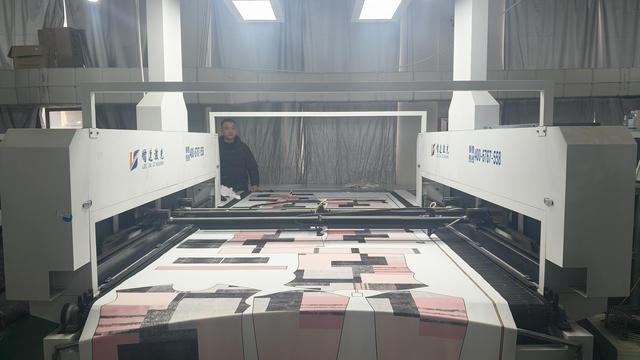
Before cutting fabric, our design team uses 3D digital pattern software. This optimizes marker layouts and minimizes fabric yield loss, ensuring maximum utilization of every square meter of material.
Navigating global trade regulations requires a manufacturer with robust compliance protocols. Sourcing upcycled textiles from China involves proving the origin of the base materials, demonstrating zero forced labor, and validating recycled declarations. Sebs Fashion provides verified paper trails and transaction certificates (TCs) for every production run, ensuring absolute legal security for customs clearance.
Our material supply chain is verified back to the point of origin. Transaction Certificates (TCs) are provided for every batch, validating both environmental declarations and safe chemical usage during processing.
Our manufacturing facilities undergo third-party social audits (BSCI, SMETA). We guarantee full compliance with the EU's Corporate Sustainability Due Diligence Directive, ensuring fair wages, safe working environments, and complete manufacturing transparency.
Located near the major shipping ports of Guangzhou and Shenzhen, we optimize container consolidation, export logistics, and tariff classifications. This minimizes delays and reduces transport emissions per garment.
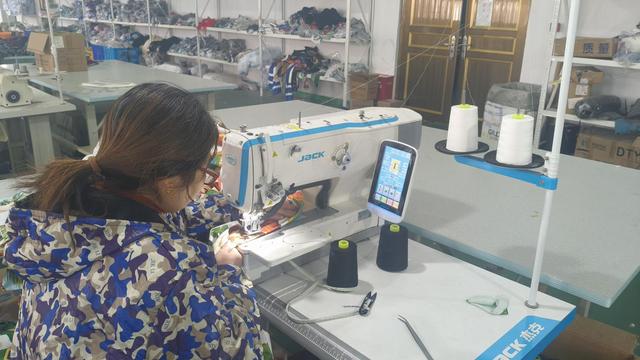
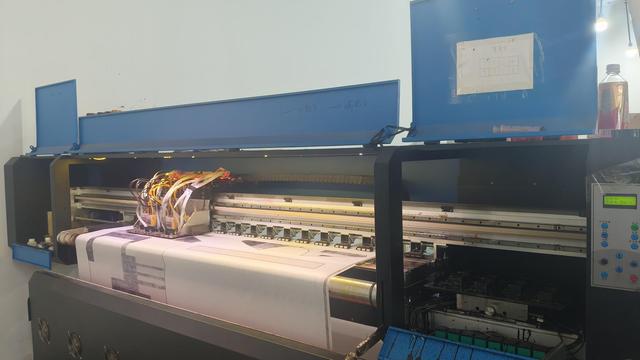
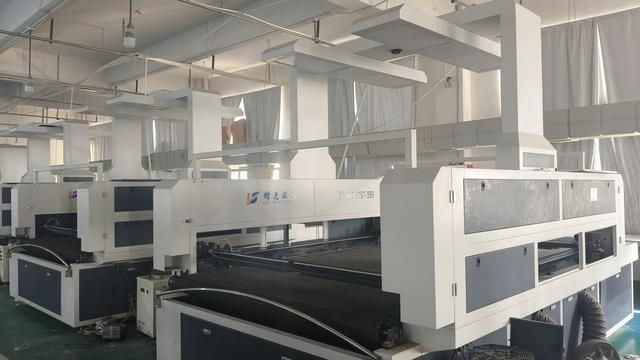
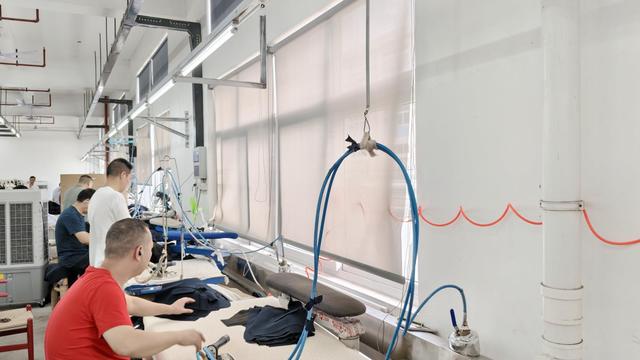
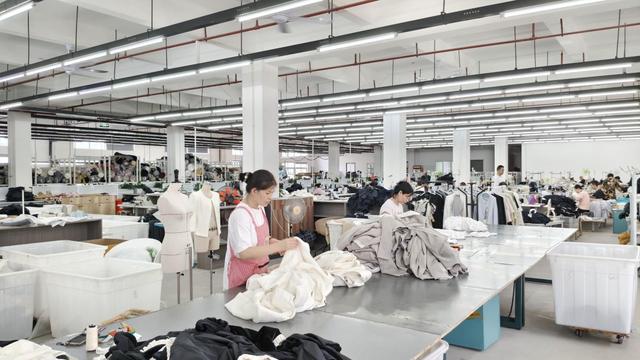
Equipped with modern production lines, precision cutting systems, and comprehensive quality control, Guangzhou Sebs Fashion Co., Ltd. handles everything from small-batch sample development to large-scale retail production runs.
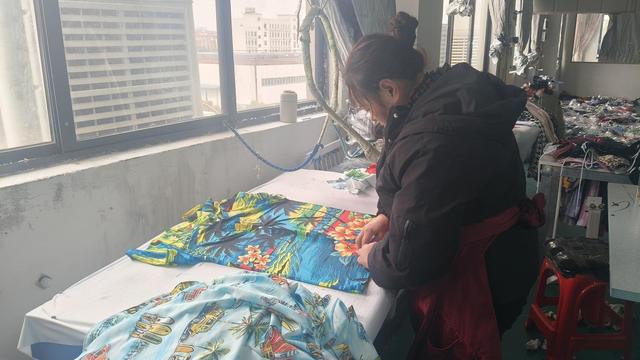
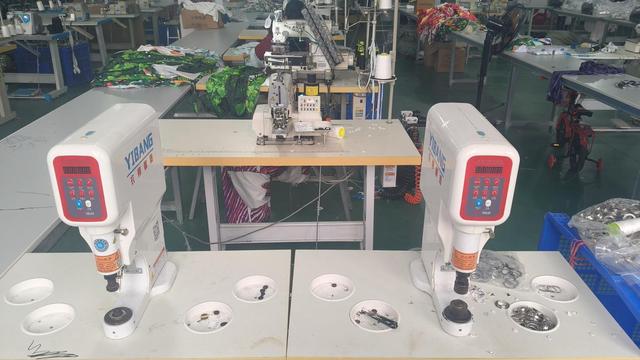
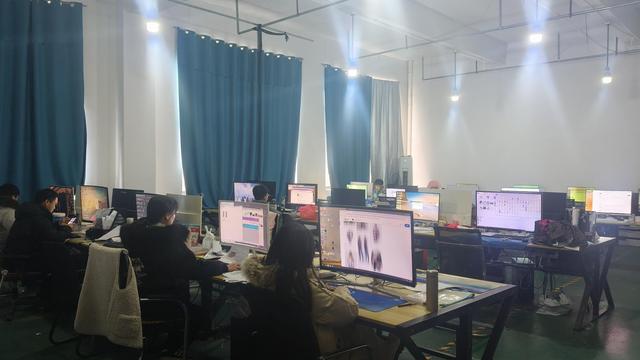
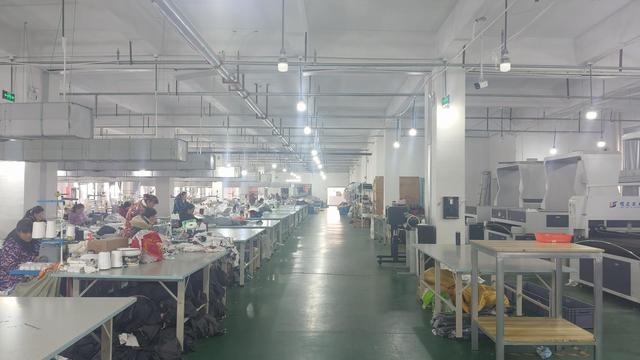
Understand our raw material compliance, custom capabilities, and supply chain transparency standards.
We supply Global Recycled Standard (GRS) certifications, OEKO-TEX Standard 100 for chemical safety, and organic cotton certifications (GOTS). For every order utilizing recycled polyester or cotton, we provide complete Transaction Certificates (TCs) mapping the material back to its source, giving your brand full compliance verification for customs and green-marketing claims.
Our standard Minimum Order Quantity (MOQ) is 100 to 300 pieces per style/color, depending on the material formulation and design complexity. For custom collections using highly specialized recycled yarns, MOQ may vary. We also offer smaller trial runs to support brand launches and seasonal testing.
Mechanically shredded fibers can suffer from shortened length, which affects durability. To address this, we blend recycled cotton or polyester fibers with high-quality organic cotton or Tencel carriers. The resulting yarns undergo extensive lab tests for tensile strength, elongation, and wash wear before we proceed to bulk knitting or weaving.
Yes, Sebs Fashion is a full-service OEM/ODM manufacturer. We collaborate with brands to develop custom designs, offer private-label branding, and build collections from initial concept sketches. Our team assists with pattern engineering, fabric sourcing, trim customization, and digital 3D sampling to streamline development.
We use CAD pattern layouts and digital nesting algorithms to maximize yield efficiency. Any inevitable off-cuts generated during production are collected, sorted, and routed back to specialized local recycling mills to be transformed into industrial fibers, maintaining our commitment to zero-waste practices.
Sampling typically takes 7 to 10 working days, depending on material availability. Bulk production is generally completed within 25 to 45 days after pre-production sample approval and deposit receipt. Shipping transit times depend on the destination port and selected freight method (sea, air, or rail).
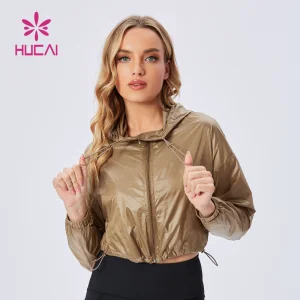
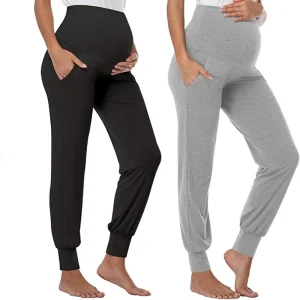
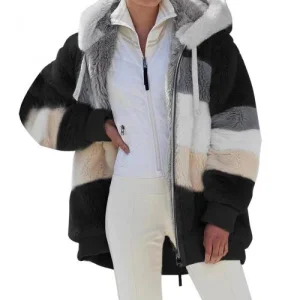
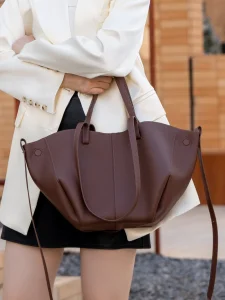
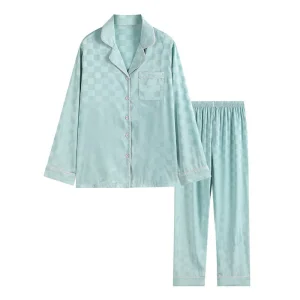
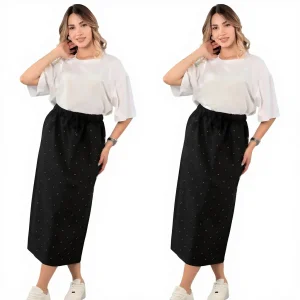
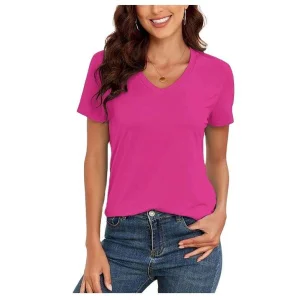
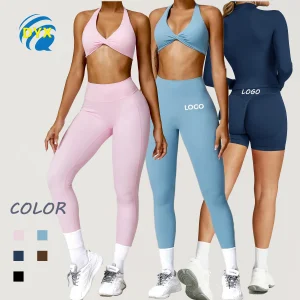
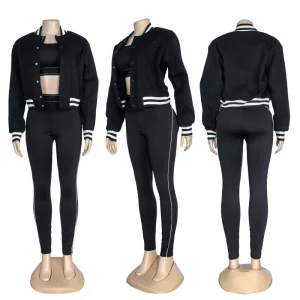
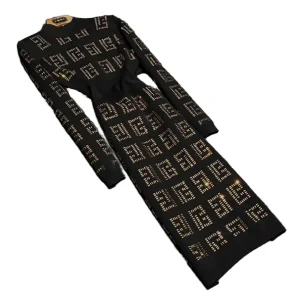
Below is our collection of functional knitwear, activewear, protective coats, and everyday essential designs, built to international trade standards and engineered with focus on structural durability and low environmental impact.


 Sebs Fashion