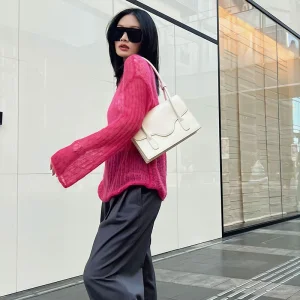
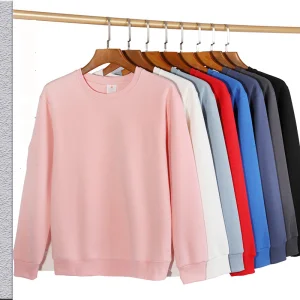
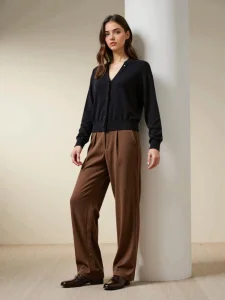
Engineered with high-elasticity fiber architectures, anti-static finishes, and contemporary relaxed silhouettes tailored for B2B global clients.
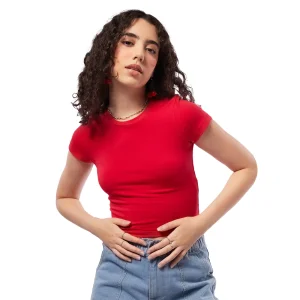
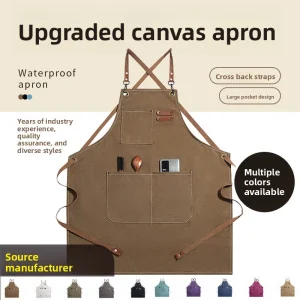
The global apparel sector has experienced a profound structural pivot. Modern women's apparel has evolved beyond traditional rigid classifications into the era of "Chillwear"—a highly technical segment merging leisurewear, sleepwear, activewear, and unstructured smart-casual garments. Valued at over USD 140 billion globally in 2024, and with a projected CAGR of 8.6% through 2030, this segment's growth is fueled by fundamental shifts in consumer lifestyle patterns.
The integration of hybrid work paradigms, heightened wellness priorities, and the demand for versatile clothing that functions seamlessly across domestic, professional, and leisure scenarios has turned chillwear into a primary growth engine for retailers. Today's consumers reject single-function clothing; they seek performance-driven textiles engineered for comfort, climate regulation, and visual refinement.
Chillwear sits at the intersection of professional casualwear and cozy loungewear. Corporate structures are adopting fluid dressing policies, creating a high-volume demand for multi-scenario coordinate sets, relaxed trousers, and chic tailored cardigans.
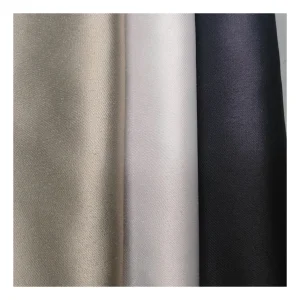
Consumers demand modern fabric options like bamboo rayon, long-staple cotton, anti-static modals, and premium wool blends. Global brands seek suppliers capable of navigating technical finishes, low-pilling structures, and superior moisture-wicking capabilities.
Sustainable luxury has shifted from a niche preference to a global baseline. Modern sourcing protocols require suppliers to meet OEKO-TEX Standard 100, Global Recycled Standard (GRS), and BSCI compliance criteria.
Why do leading brands concentrate their chillwear sourcing in China, specifically within key industrial clusters like Guangzhou? The answer goes beyond labor costs; it lies in unmatched supply chain integration, raw material availability, and rapid technological deployment. Modern garment factories in Southern China operate as interconnected, intelligent systems.
Chinese factories leverage comprehensive regional ecosystems. From localized yarn spinning and dye houses to advanced CAD pattern development and smart logistics networks, every element is geographically clustered. This vertical integration allows factories to compress the traditional 90-day production cycle to under 15–21 days for specialized runs, enabling brands to execute agile, data-driven restocks and minimize inventory risk.
| Strategic Indicator | Guangzhou (China) Production Cluster | Competing Markets (Southeast Asia/Central America) | Business Value Impact |
|---|---|---|---|
| Fabric Sourcing Lead Time | 1 to 3 Days (Localized supply chain) | 2 to 4 Weeks (Often imported from China) | Slashes time-to-market; allows dynamic product testing. |
| Customization Capabilities | Advanced OEM/ODM, dynamic CAD, multi-yarn blends | Standardized CMT (Cut, Make, Trim) models | Enables bespoke designs and specialized high-margin fits. |
| Machinery & Automation | CNC fabric cutting, automatic hanger systems, AI QC | Manual sewing lines, low automation levels | Guarantees dimensional stability and reliable stitch densities. |
| Compliance & Audit Standards | Widespread BSCI, OEKO-TEX, ISO 9001 compliance | Varying certification levels | Mitigates legal and reputational risks for international brands. |
The rise of the "chillwear" category is driven by its multi-scenario utility. Rather than designing for a single activity, modern manufacturers engineer clothing that transitions smoothly across daily tasks. Understanding these application scenarios helps commercial buyers optimize their product lines for direct consumer search intent.
Hybrid work setups require clothing that is visually polished for video conferences yet comfortable for extended desk hours. This need has popularized silk-blend shirts, fine-knit cardigans, and pants with concealed elastic waistbands that look tailored.
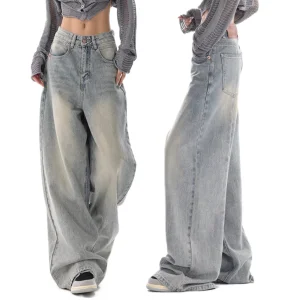
Travelers need clothing that adapts to fluctuating temperatures and resists wrinkles during long flights or train rides. Soft jersey knit sets, lightweight hoodies, and oversized denim pants deliver functional comfort for modern travelers.
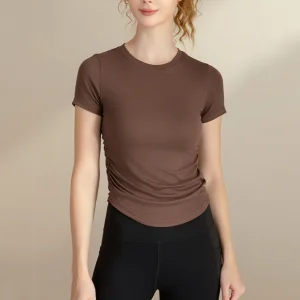
From morning yoga to quick errands, modern activewear requires soft, stretchy fabrics. Side-ruched athletic tops, breathable crop tops, and flexible spandex-blend sets meet the needs of active lifestyles.
Guangzhou Sebs Fashion Co., Ltd. is a professional women's clothing manufacturer based in Guangzhou, China, specializing in the design, development, and production of high-quality fashion apparel for global brands, wholesalers, retailers, and e-commerce businesses. With extensive experience in the apparel industry, we provide comprehensive manufacturing solutions covering casual wear, formal wear, business attire, knitwear, outerwear, dresses, and seasonal fashion collections.
As a trusted China women's clothing manufacturer, Sebs Fashion combines trend-driven design expertise with advanced garment production capabilities to deliver stylish, comfortable, and market-ready apparel. Our experienced team closely follows international fashion trends and consumer preferences, enabling us to support customers with both customized designs and private label manufacturing services.
We operate modern production facilities equipped with efficient cutting, sewing, quality inspection, and packaging systems, ensuring consistent product quality and reliable delivery schedules. From fabric sourcing and pattern development to sample creation and bulk production, every stage is managed under strict quality control standards.
Sebs Fashion offers flexible OEM and ODM services tailored to the diverse needs of fashion brands, boutiques, online sellers, department stores, and importers worldwide. Whether clients require small-batch production for new collections or large-scale manufacturing for established brands, we provide scalable solutions designed to support business growth.
Committed to innovation, craftsmanship, and customer satisfaction, Guangzhou Sebs Fashion Co., Ltd. has built long-term partnerships with clients across North America, Europe, Australia, the Middle East, and other international markets. Our mission is to help fashion businesses succeed through reliable manufacturing, competitive pricing, and stylish women's apparel that meets the evolving demands of the global fashion industry.
Transparent look inside our cutting-edge manufacturing floors, advanced pattern-making rooms, and comprehensive quality assurance divisions.
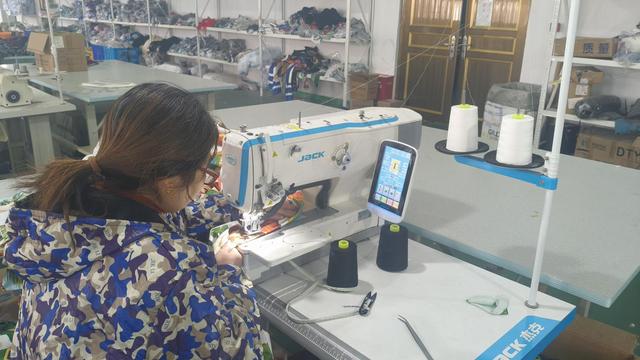
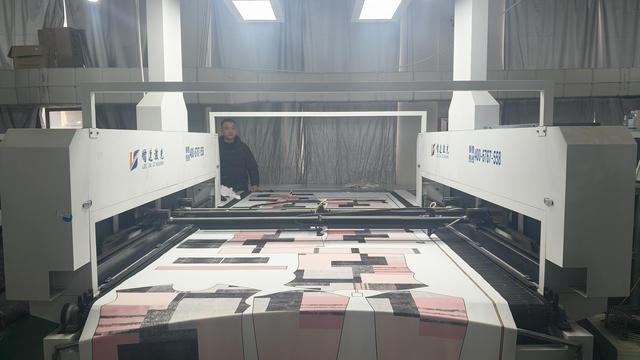
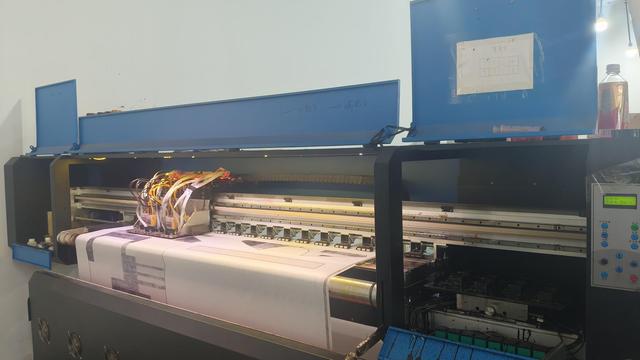
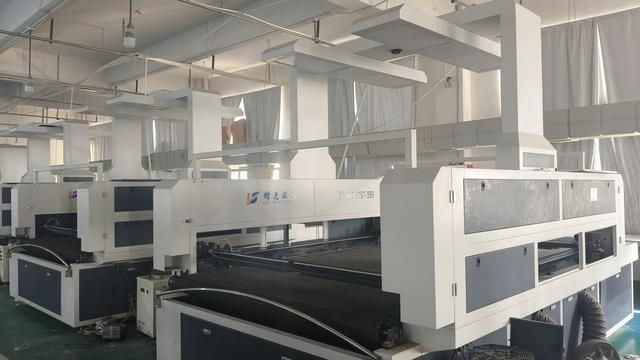
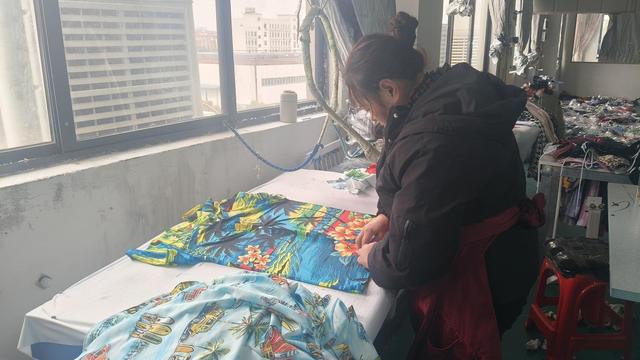
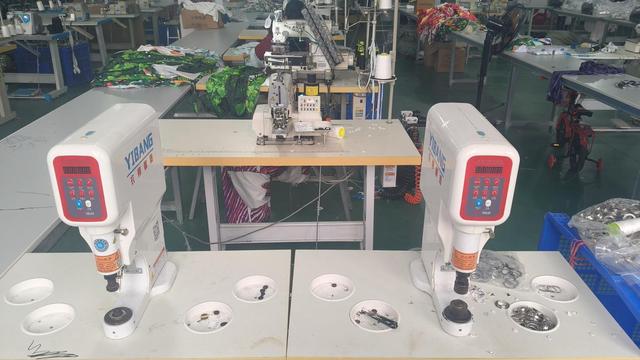
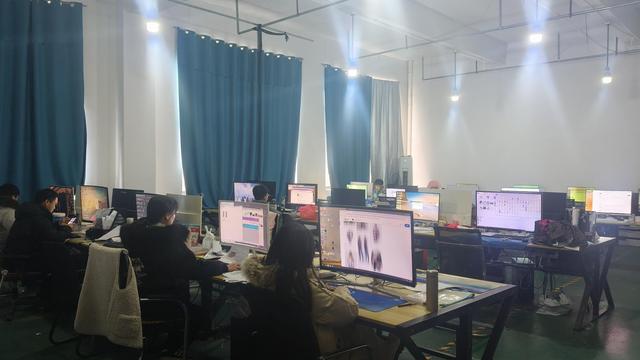
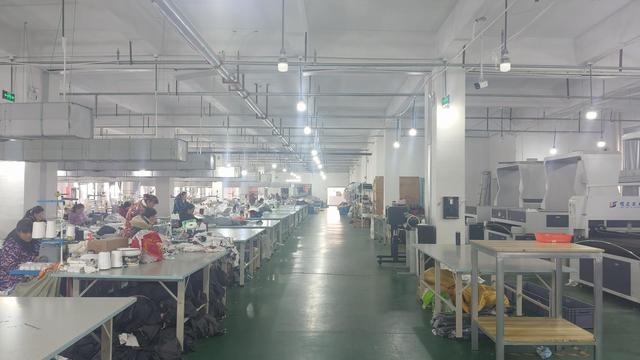
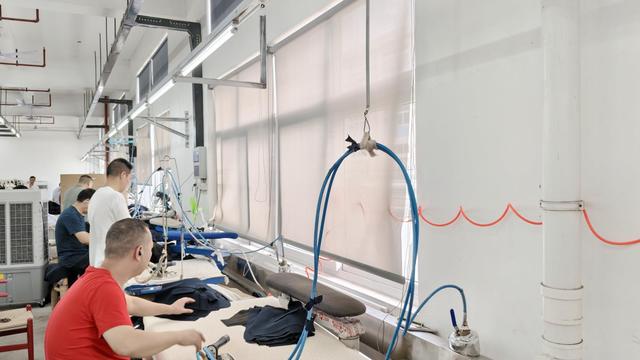
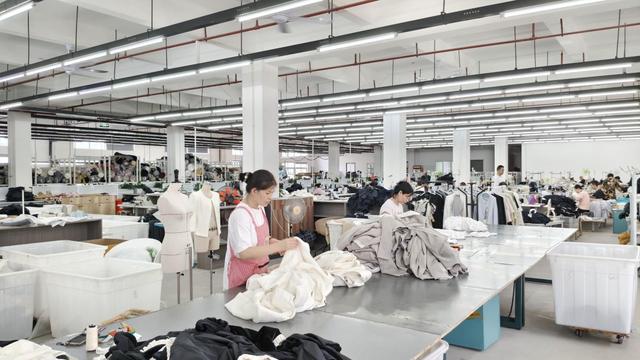
Global apparel buyers must manage supply chains carefully to avoid late deliveries or quality issues. When procurement teams look for women's chillwear factories, their decisions are guided by four main B2B operational metrics:
Factories must ensure correct fabric weight (GSM values), check wash durability, and test stretch retention. They also need to provide certified documents showing that fabrics are free from harmful chemicals.
To control inventory risk, buyers prefer factories that can produce smaller test batches (e.g., 100-200 pieces per style) before moving to large-scale runs of 10,000+ pieces.
Having on-site pattern design teams that can turn concept sketches or reference garments into physical fit-samples within 5–7 working days is essential for fast-moving brands.
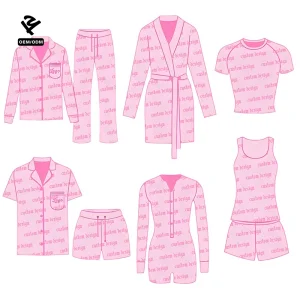
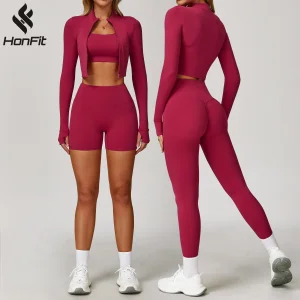
Expanding retail collections with versatile, everyday apparel designed for comfort and modern style.
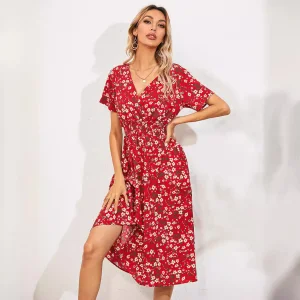
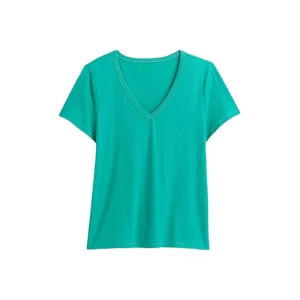
Common questions and expert insights for sourcing managers planning apparel production in China.
MOQs depend on fabric availability. For standard in-stock colors, we offer flexible starter runs starting at 100–150 pieces per style. For custom-dyed fabrics or specific material blends, MOQs usually range from 300 to 500 pieces per colorway.
We follow a three-tier quality control protocol: incoming fabric testing (including shrinkage and colorfastness), in-line sewing checks, and 100% final inspections before packaging. This approach helps maintain a defect rate below 0.5% for bulk orders.
Yes, our pattern-making team is experienced in grading for US, EU, and AU sizing standards. We work with digital CAD software and can create customized fit profiles based on your brand's specific size charts.
We source a variety of sustainable textiles, including GOTS-certified organic cotton, Lenzing Tencel Modal, recycled polyester, and bamboo blends. All of our sustainable materials come with certification documentation to verify their origin.
 Sebs Fashion