Custom OEM Women's Loafers Manufacturers & Factories

Decentralized Smart Footwear Supply Chains, Technical Ergonomics, and Global B2B Production Strategies

$15.2B
Global Loafers Market by 2028
4.8%
Projected Market CAGR
98.6%
Sourcing Quality Pass Rate
30+
Global Logistics Hotlines

The Global Commercial & Industrial Status of Women's Loafers

The global footwear sector is undergoing a profound paradigm shift. The segment of women’s loafers is transitionally moving from purely seasonal formal attire to a multi-scenario, daily necessity driven by both casualisation and comfort-centric working demographics. As executive workspaces relax dress codes and hybrid schedules predominate, the classic loafer has expanded its market capture relative to standard high heels and sneakers.

From a manufacturing standpoint, B2B procurement networks look toward sophisticated cluster production models capable of handling high-precision tooling and flexible raw material supplies. Geographically, manufacturing remains heavily clustered in Asia—primarily within Southern and Eastern China coastal hubs like Guangzhou, Dongguan, and Wenzhou—while high-end boutique lines are traditionally processed in Southern Europe (Italy, Spain, and Portugal). However, emerging macro-economic variables have made modern Chinese factories highly competitive, introducing advanced smart-lasting automation systems, clean-cut laser trimming, and sustainable material certifications that match European quality parameters at optimized economies of scale.

In terms of consumption metrics, North American and European markets command over 65% of global import volumes for premium custom-made loafers, with modern digital channels demanding ultra-responsive supply models. Traditional bulk orders (often taking 90–120 days) are increasingly replaced by rapid-response programmatic pipelines where initial test batches (low-MOQ) are evaluated using real-time consumer intent metrics and subsequently restocked in fast, high-volume production runs.

Evolutionary Trends: Sustainable Engineering, Ergonomics, and Smart Materials

Eco-Conscious Synthetics

Increasing B2B mandates require factories to move past standard toxic solvent-based PU materials. Top OEM factories utilize certified bio-based vegan leathers, waterborne polyurethane (WPU), and recycled ocean plastic linings. These raw inputs ensure full compliance with strict environmental systems like REACH, CPSIA, and GRS (Global Recycled Standard).

Dynamic Ergonomics

The internal architecture of loafers is changing. Modern lines feature multi-layered memory foam insoles, high-resiliency EVA midsoles, and anatomical arch support inserts. OEM brands utilize digital footprint analyses to custom-craft lasts that balance dynamic weight distribution, mitigating chronic plantar pressure.

Modular Styling

To reduce post-consumer waste and extend product cycles, designers employ modular components. Outsoles, decorative metal buckles, and strap systems can be detached or customized easily, enabling dynamic SKU variations without forcing high-risk factory inventories for multiple separate styles.

Localized Applications & Custom Scenario Engineering

Successful brand deployment relies on understanding that consumer requirements for footwear vary radically based on localized climate, regional infrastructure, and urban mobility habits:

  • Urban Commuters (Metropolitan Hubs like New York, London, Tokyo): Requires high-traction vulcanized outsoles or thermo-plastic rubber (TPR) bases to survive daily miles walked on hard concrete pavements. Waterproof upper leather coatings are essential.
  • Mediterannean & Seaside Resorts: Demands ultra-flexible, unlined suede or premium micro-fiber slip-ons configured with highly breathable jute fiber linings or perforated structures for optimal temperature regulation.
  • Corporate Executive Environments: Prioritizes premium full-grain calf leather or patent leather finishes featuring hand-burnished details, custom metal horsebits, and classic Goodyear welt construction profiles for high aesthetic authority.
  • Nordic & High-Latitude Winter Adapters: Custom orders integrate shearling or thermal fleece liners inside classic silhouettes, utilizing raised rubber platform outsoles to prevent thermal conductive heat loss to freezing asphalt.

Technical Roadmap: Designing & Sourcing Premium Loafers

Developing a high-performance women's loafer requires balancing structured support with flexible movement. The steps below illustrate our standard industrial manufacturing roadmap:

Phase 1: Last Calibration

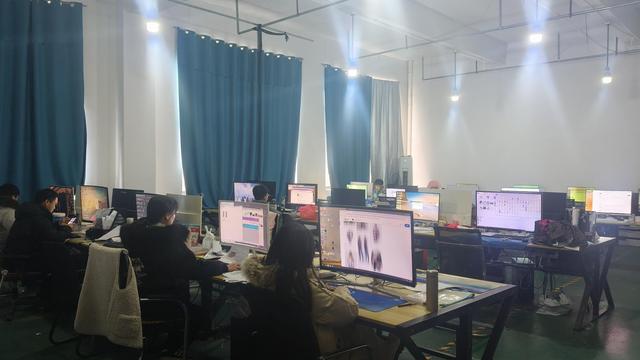
Our engineers use 3D CAD modeling software to design custom footwear lasts, modifying parameters to ensure perfect support in the arch and heel areas.

Phase 2: Material Cutting

Precision computerized CNC knife cutters slice raw leathers and technical synthetics, minimizing material waste by up to 18% compared to manual die-cutting.

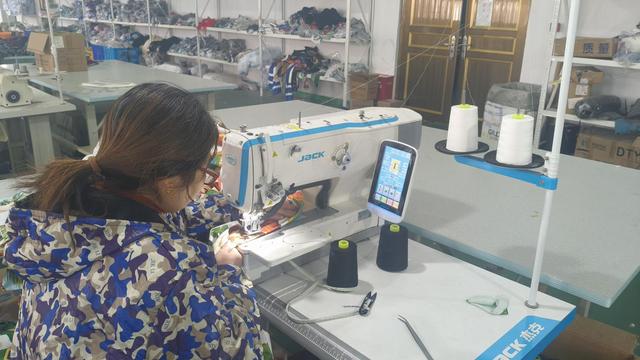
Phase 3: Upper Assembly & Sewing

Skilled workers stitch the leather pieces together. Hand-sewn moc-toe stitches are applied using durable nylon-reinforced threads to provide structural integrity.

Phase 4: Lasting & Shaping

The stitched upper is pulled over the 3D last using automated toe and heel lasting machinery, utilizing heat and humidity to shape the leather smoothly.

Phase 5: Sole Bonding & Welt

Environmentally friendly adhesives secure the outsole to the upper. Select styles receive a full Goodyear welt or Blake stitch construction for long-term durability.

Phase 6: QC & Finishing

Finished loafers undergo dynamic flexing, abrasion testing, and visual checks before getting finished with protective creaming and safe packaging.

Strategic Sourcing Partner: Guangzhou Sebs Fashion Co., Ltd.

Guangzhou Sebs Fashion Co., Ltd. is a professional women's clothing manufacturer based in Guangzhou, China, specializing in the design, development, and production of high-quality fashion apparel for global brands, wholesalers, retailers, and e-commerce businesses. With extensive experience in the apparel industry, we provide comprehensive manufacturing solutions covering casual wear, formal wear, business attire, knitwear, outerwear, dresses, and seasonal fashion collections.

As a trusted China women's clothing manufacturer, Sebs Fashion combines trend-driven design expertise with advanced garment production capabilities to deliver stylish, comfortable, and market-ready apparel. Our experienced team closely follows international fashion trends and consumer preferences, enabling us to support customers with both customized designs and private label manufacturing services.

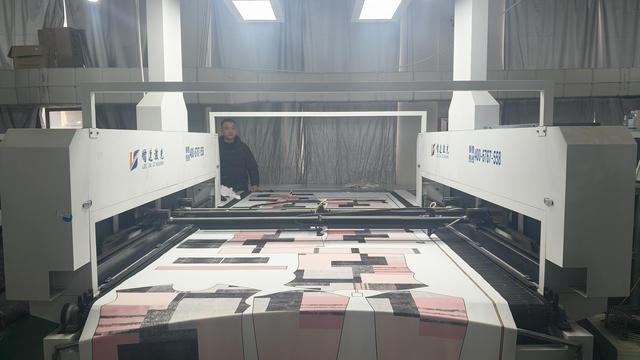
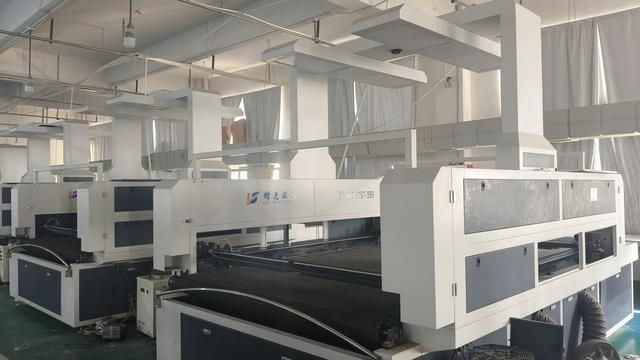
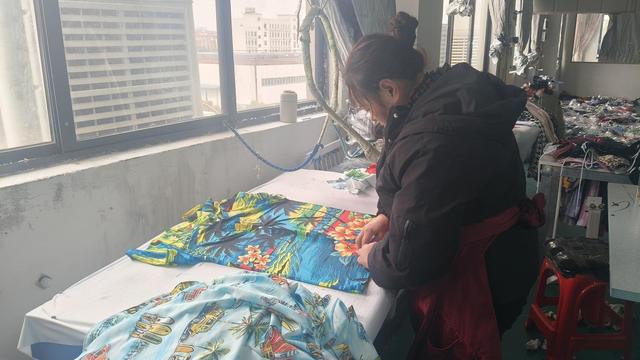
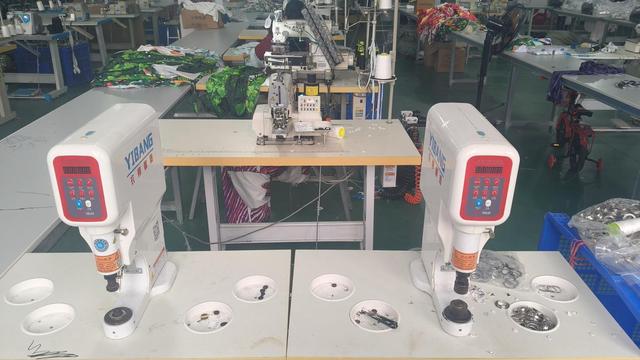
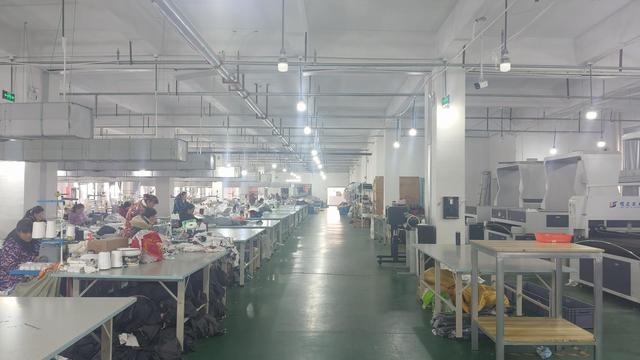
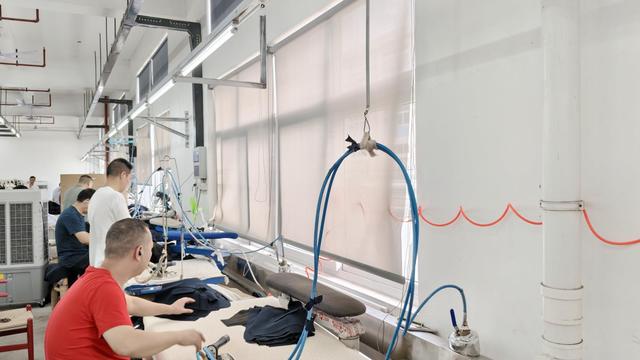
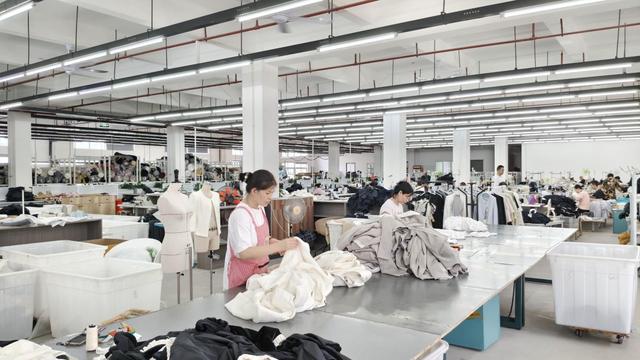
We operate modern production facilities equipped with efficient cutting, sewing, quality inspection, and packaging systems, ensuring consistent product quality and reliable delivery schedules. From fabric sourcing and pattern development to sample creation and bulk production, every stage is managed under strict quality control standards.

Sebs Fashion offers flexible OEM and ODM services tailored to the diverse needs of fashion brands, boutiques, online sellers, department stores, and importers worldwide. Whether clients require small-batch production for new collections or large-scale manufacturing for established brands, we provide scalable solutions designed to support business growth.

Committed to innovation, craftsmanship, and customer satisfaction, Guangzhou Sebs Fashion Co., Ltd. has built long-term partnerships with clients across North America, Europe, Australia, the Middle East, and other international markets. Our mission is to help fashion businesses succeed through reliable manufacturing, competitive pricing, and stylish women's apparel that meets the evolving demands of the global fashion industry.

Macro Supply Chain Solutions for Fashion Retailers

In today's fast-moving market, apparel brands need a reliable, integrated supplier. Guangzhou Sebs Fashion Co., Ltd. addresses standard retail challenges through optimized production solutions:

Low-MOQ Testing Frameworks

Launch new collections with lower inventory risk. Our flexible production allows brands to order small test batches, scaling up only when market demand is proven.

Cross-Category Cohesion

Ensure design consistency across your product lines. We help brands align their footwear collections with seasonal outerwear, coordinates, and dresses for a unified brand aesthetic.

Integrated Quality Audits

Every batch undergoes structured quality assurance inspections at each stage—from initial fabric/leather sourcing to final packaging—reducing defect rates to under 1.5%.

Technical FAQ & Sourcing Insights

What is the standard MOQ for custom OEM women's loafers?
Standard OEM production minimum order quantities (MOQ) typically range between 500 to 1,000 pairs per style/colorway. This allows factories to optimize leather hide utilization, set up automated lasting machines, and produce custom tooling economically. Smaller trial runs of 200–300 pairs can sometimes be accommodated with a surcharge.
How does Guangzhou Sebs Fashion guarantee international quality compliance?
All materials used are certified to meet international standards including REACH, GRS, and standard consumer product safety acts (CPSIA). Our quality management system covers fabric/leather strength testing, seam slippage checking, color fastness evaluations, and multi-stage physical inspections prior to export packaging.
Can you match custom lasts according to localized demographic foot profiles?
Yes. Foot morphology varies significantly across regional markets (e.g., North American, European, and Asian fits). Our CAD team adjusts the last dimensions—such as ball girth, instep height, and heel-to-ball ratios—to ensure comfort and prevent slipping in the target markets.
What is the typical turnaround lead time for sample development and bulk export?
Initial 3D design rendering takes 3–5 working days. Physical prototyping and material matching require 7–14 days. Once samples are approved, bulk production takes 30–45 days depending on the pattern complexity and order volume.
Are sustainable packaging and low-plastic shipping solutions available?
Yes. We offer eco-friendly packaging options, including FSC-certified recycled shoeboxes, soy-based ink printing, organic cotton dustbags, and plastic-free silica gel alternatives to help brands meet their corporate social responsibility targets.

Manufacturing Operations & Factory Gallery

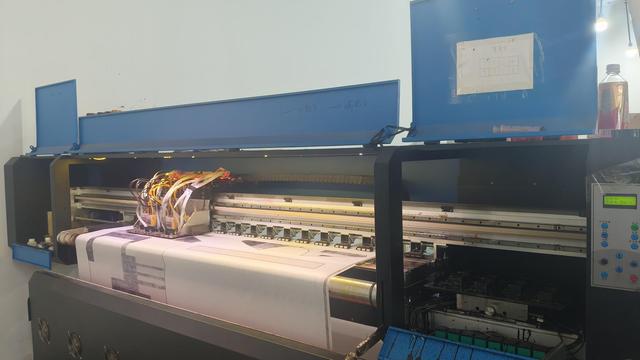
Raw material sourcing, precision cutting lines, and structured quality assurance systems at our modern production facilities.