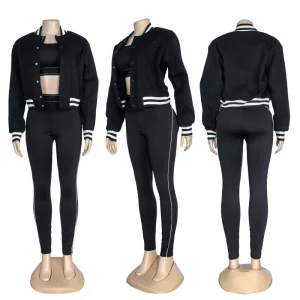
The global women's activewear sector is undergoing a profound paradigm shift. Valued at over USD 180 billion in 2024, the market is projected to reach approximately USD 260 billion by 2030, registering a CAGR of 6.2%. The transition from temporary wellness trend to a permanent lifestyle integration—often termed "Athleisure"—has permanently redefined modern fashion manufacturing. Sourcing directors and brand owners now demand dynamic suppliers capable of combining raw athletic performance with high-end aesthetic appeal.
The focus has pivoted toward intelligent materials. Industry giants utilize bio-based nylon, high-tenacity recycled polyester, and organic blends that optimize tensile strength and thermal insulation, fulfilling consumer demands for green and circular economies.
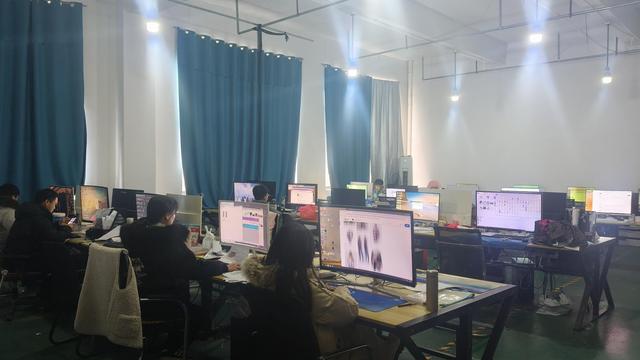
To combat volatile market demands, modern suppliers utilize smart, digitized manufacturing facilities. Seamless weaving machinery, automated pattern grading, and AI-driven inventory tracking minimize structural waste while reducing development lead times.
Sourcing experts look beyond generic quotes, prioritizing factory certifications such as OEKO-TEX Standard 100, Global Recycled Standard (GRS), and BSCI. Verifiable credentials are vital for maintaining retail authority and mitigating legal risks.
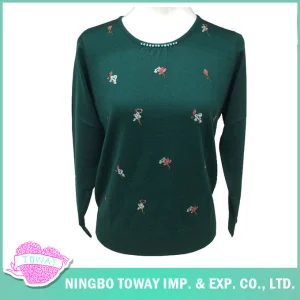
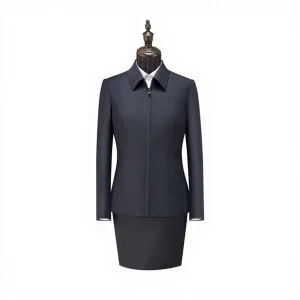
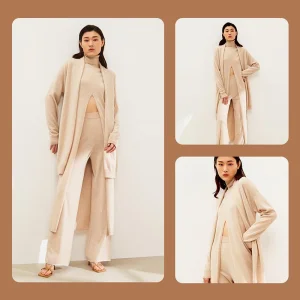
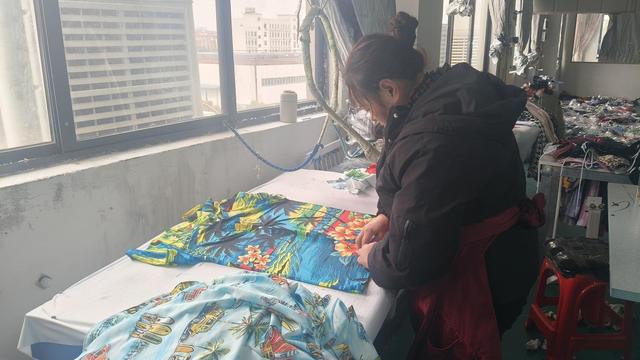
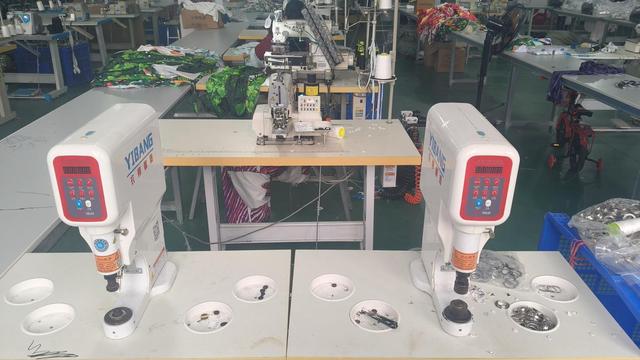
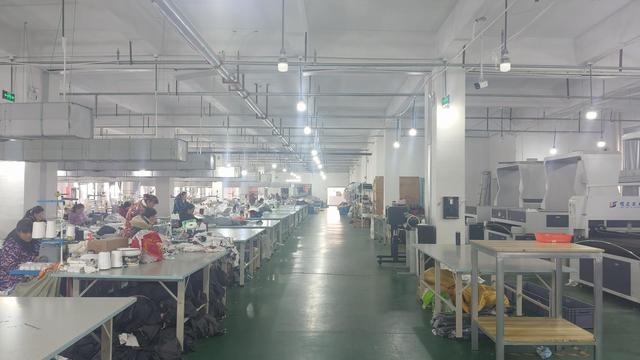
Guangzhou Sebs Fashion Co., Ltd. is a professional women's clothing manufacturer based in Guangzhou, China, specializing in the design, development, and production of high-quality fashion apparel for global brands, wholesalers, retailers, and e-commerce businesses. With extensive experience in the apparel industry, we provide comprehensive manufacturing solutions covering casual wear, formal wear, business attire, knitwear, outerwear, dresses, and seasonal fashion collections.
As a trusted China women's clothing manufacturer, Sebs Fashion combines trend-driven design expertise with advanced garment production capabilities to deliver stylish, comfortable, and market-ready apparel. Our experienced team closely follows international fashion trends and consumer preferences, enabling us to support customers with both customized designs and private label manufacturing services.
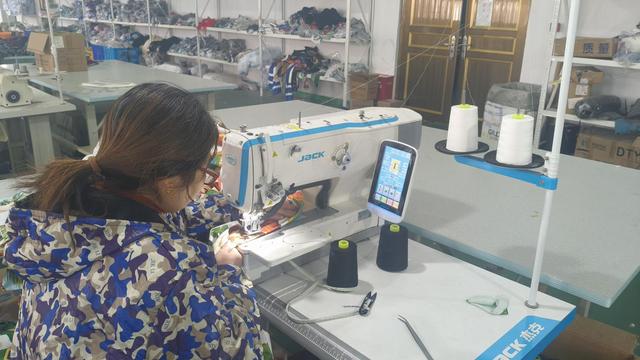
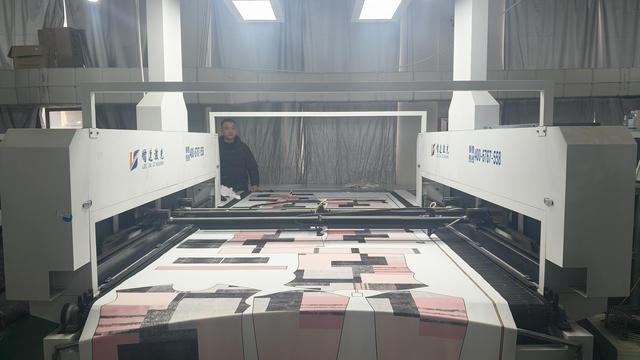
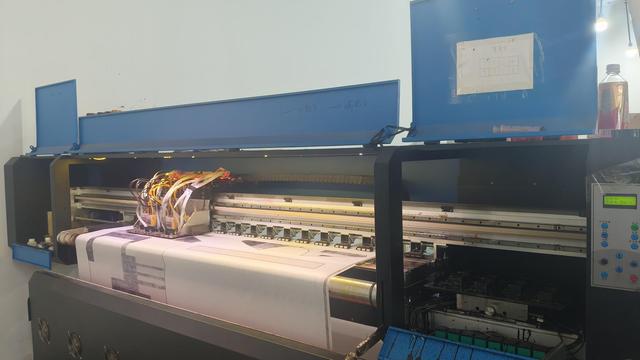
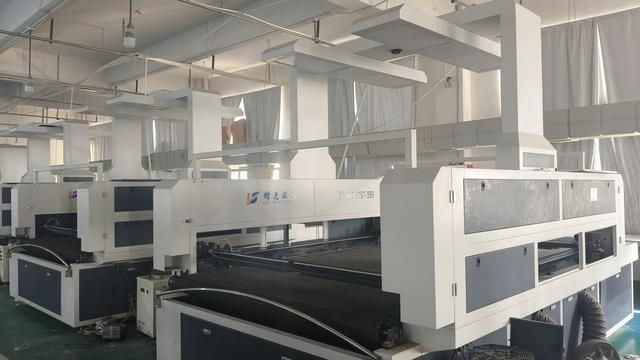
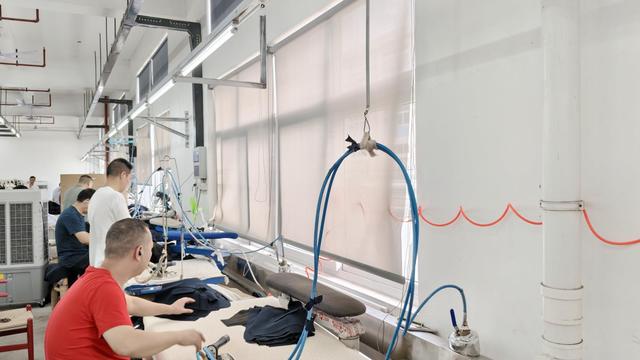
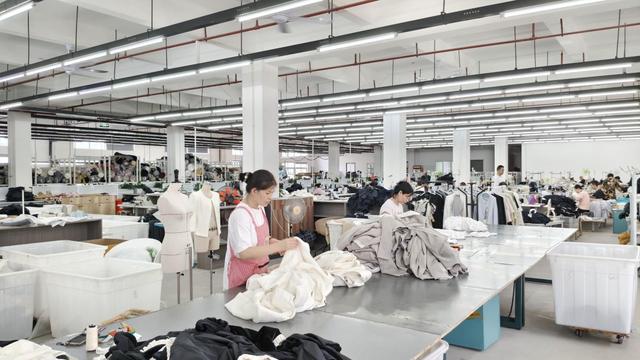
We operate modern production facilities equipped with efficient cutting, sewing, quality inspection, and packaging systems, ensuring consistent product quality and reliable delivery schedules. From fabric sourcing and pattern development to sample creation and bulk production, every stage is managed under strict quality control standards.
Sebs Fashion offers flexible OEM and ODM services tailored to the diverse needs of fashion brands, boutiques, online sellers, department stores, and importers worldwide. Whether clients require small-batch production for new collections or large-scale manufacturing for established brands, we provide scalable solutions designed to support business growth.
Committed to innovation, craftsmanship, and customer satisfaction, Guangzhou Sebs Fashion Co., Ltd. has built long-term partnerships with clients across North America, Europe, Australia, the Middle East, and other international markets. Our mission is to help fashion businesses succeed through reliable manufacturing, competitive pricing, and stylish women's apparel that meets the evolving demands of the global fashion industry.
Navigating the complex landscape of textile manufacturing requires deep due diligence. Through our analysis of supply chain efficiency, material certifications, minimum order quantities (MOQs), and dynamic prototype iteration speeds, we present the top 10 global manufacturers specializing in women's activewear and high-performance garments.
| Manufacturer Group | Primary Hub | Core Specialization | Sustainable Certifications | Typical MOQ |
|---|---|---|---|---|
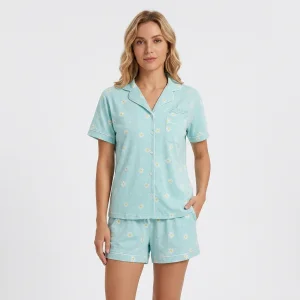
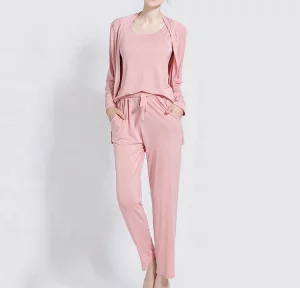
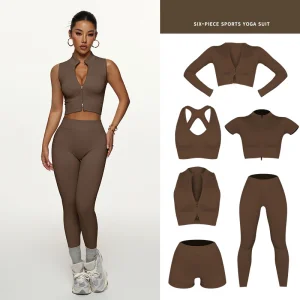
| Guangzhou Sebs Fashion | Guangdong, China | High-Elasticity Spandex, Bamboo Blends, Premium Sleepwear & Yoga Sets | GRS, OEKO-TEX Standard 100 | Low-to-Medium (Customizable) |
| Shenzhou International | Zhejiang, China | Industrial Flyknit, Seamless Knitting, Sports Bras | ISO 9001, GRS, OEKO-TEX | Large-Scale Enterprise orders |
| Eclat Textile | Taiwan | Performance Knitted Fabrics, Moisture-wicking technology | bluesign®, GRS, HIGG Index | Custom fabric dependent |
| Crystal International | Hong Kong | Denim Activewear, Hybrid Athleisure wear | ISO 14001, GRS | High Volume |
| Makalot Industrial | Taiwan / Vietnam | Smart fabrics, heating active jackets, yoga pants | WRAP, OEKO-TEX | Medium to Large |
| PT Dan Liris | Indonesia | Sustainable Cotton and Bamboo Activewear | ISO 9001, BSCI | Custom Contract Sourcing |
| Regina Miracle | Shenzhen, China | Molded bra cups, wire-free compression, seamless bonding | OEKO-TEX, ISO 9001 | High Volume |
| TAL Apparel | Global Hubs | Anti-wrinkle tech, UV-protective activewear | OEKO-TEX, BSCI | Corporate Custom order minimums |
| Thygesen Textile | Vietnam | Seamless base layers, compression wear, merino wool activewear | WRAP, BSCI, GOTS | Flexible ODM packages |
| Hirdaramani Group | Sri Lanka | Eco-friendly manufacturing, zero-waste activewear designs | LEED Certified, GOTS, GRS | Medium to Large |
To remain competitive, brands must align with the technological and aesthetic expectations of modern consumers. Activewear is no longer limited to gyms; it serves as office attire, leisurewear, and high-performance equipment all at once. The following trends dominate the production floor:
Seamless garments eliminate the bulk and chafing of stitched seams, providing superior fit and flexibility. By programming circular knitting machinery to alter stitches dynamically, factories produce garments with zoned breathability, compression, and support built into a single panel.
Activewear must accommodate body diversity. Pattern-making departments now rely on 3D virtual avatars to model activewear on various body configurations, ensuring functional compression and shape retention across all sizing tiers.
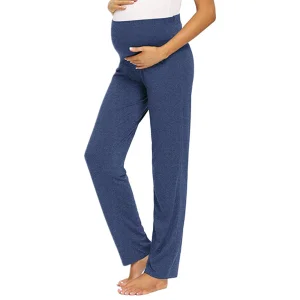
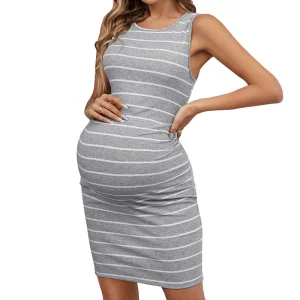
Postnatal and prenatal fitness trends have driven demand for specialized garments. Sourcing directors look for manufacturers that blend spandex with bamboo or organic cotton to produce highly elastic, breathable, and supportive garments for expectant mothers.
The future of activewear is defined by smart technologies. Forward-looking manufacturers are shifting from simple synthetic extrusion to sophisticated structural fiber configurations.
Extruding high-tenacity yarns from ocean waste, industrial fishing nets, and agricultural waste. Developing biodegradable spandex alternatives that decompose under municipal landfill conditions within five years.
Integrating micro-capsules within the yarn structure to release skin-calming compounds, natural moisturizers, or temperature-regulating phase-change materials (PCMs) during physical activity.
Weaving conductive carbon-nanotube threads directly into panels to capture muscle activity, heart rate, and posture metrics, transmitting data via Bluetooth-enabled snap-on hardware modules.
Activewear preferences vary significantly by region. Successful global brands must adjust fabric choices, fits, and sizing systems to align with local requirements.
Consumer Demands: Broad inclusive sizing, high compression, and non-sheer ("squat-proof") properties. Matte finishes with neutral, versatile colors are preferred to transition from yoga sessions to daily activities.
Consumer Demands: Strict chemical testing (REACH compliance) and certified sustainable origins. European consumers prefer lighter, breathable fabrics and seamless structural designs.
Consumer Demands: Sizing optimized for narrower frames and pastel colors. Features such as high-level UV protection, anti-microbial treatments, and lightweight construction are highly valued in humid climates.
Apparel brands navigate shifting retail seasons and unpredictable consumer demands. Leading activewear suppliers implement strategic manufacturing frameworks to stabilize operational costs and increase profitability.
Developing physical prototypes from digital tech packs can often take weeks. High-performance manufacturers address this latency by utilizing advanced 3D fabric draping software. This technology generates realistic virtual product samples, allowing design changes to be finalized prior to fabric cutting and knitting.
Sourcing custom dyes can delay production starts. To mitigate this, factories maintain inventories of raw, undyed base fabrics (such as recycled nylon/spandex). These materials can be processed with eco-certified dyes rapidly, reducing product launch cycles by up to 45%.
As regulatory frameworks globally demand higher transparency, top-tier manufacturers offer full traceability. From raw yarn sourcing and spinning mills to dyeing and final sewing, every production step is logged to provide brands with complete supply chain transparency.
Answers to critical sourcing questions based on industry standards, quality assurance procedures, and global trade compliance.
High-performance activewear typically relies on blends of Nylon (Polyamide) and Spandex (Elastane) for strength and flexibility. For everyday athleisure, Bamboo-Spandex or Organic Cotton-Spandex blends are preferred due to their natural breathability, moisture absorption, and softer feel.
"Squat-proof" transparency is prevented by optimizing knit density and yarn weight, generally targeting a minimum of 250 to 320 GSM (grams per square meter). High-gauge interlock knit structures are utilized instead of single-jersey knits, preventing the material from becoming sheer when stretched.
Key certifications include GRS (Global Recycled Standard) for verifying recycled materials, OEKO-TEX Standard 100 to guarantee the absence of harmful chemical residues, and social compliance audits like BSCI, WRAP, or Sedex to ensure ethical labor practices.
Lead times vary depending on design complexity and material availability. Prototype development generally takes 7 to 15 business days. Once samples are approved and materials are secured, bulk production runs typically require 30 to 45 days.
Factories perform standardized tests including AATCC 197/198 for moisture-wicking and drying speeds, and ISO 105-C06 for colorfastness under washing. These tests ensure the garments maintain structural integrity, colors, and flexibility after repeated home washings.
 Sebs Fashion