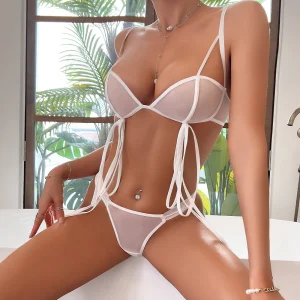
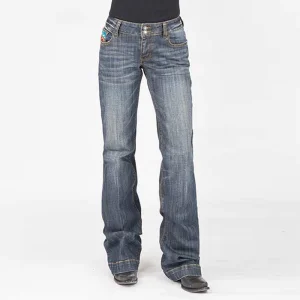
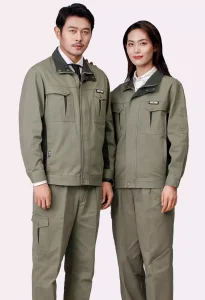
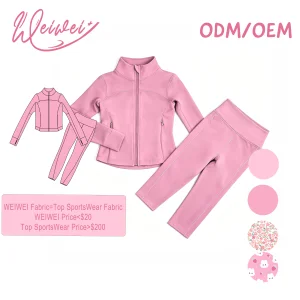
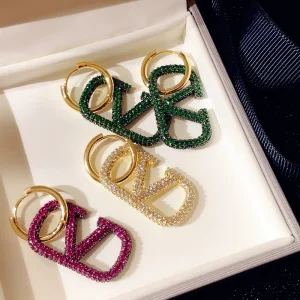
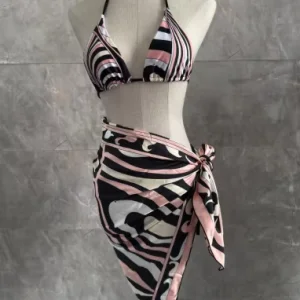
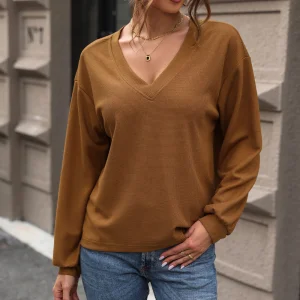
Explore high-performance sportswear, leisure fashion, and functional gear tailored for top-tier international procurement needs.
Decoding the macroeconomic forces, textile shifts, and consumer expectations redefining functional fashion.
The global women’s athleisure market is projected to reach USD 283.4 billion by 2030, registering a CAGR of 8.4%. The demand is structurally driven by lifestyle integration, hybrid work arrangements, and an unprecedented focus on wellness and functional everyday wear.
High-performance sourcing has moved from simple polyester-spandex blends to smart materials offering UV block, thermal regulation, and bio-based circularity. Buyers seek zero-odor finishes, copper-infused microfibers, and seamless compression.
Modern consumers purchase athleisure not only for gym workouts but also for office settings and formal gatherings. Sourcing directors must partner with manufacturers capable of executing cross-category designs that merge structure with stretch.
A masterclass for brand directors and procurement heads on the future of performance fabrics and manufacturing metrics.
The core battleground for women’s athleisure brand positioning is the fabric itself. Sourcing directors must demand rigorous performance criteria for yarn construction. Traditional double-knit techniques are giving way to high-density interlocking circular knits that yield a lightweight feel with maximum opacity (squat-proof assurance).
Material metrics to evaluate when selecting a manufacturing partner include:
The optimal ratio for soft hand-feel, multi-directional elasticity, and structural memory retention in yoga wear.
Guarantees stress-free recovery under mechanical extension, preventing sagging in high-stress zones.
Ensures premium fits remain constant after repeated washing, maintaining consistent brand sizing standards.
Evaluated via Martindale wear testing to verify the long-term pristine finish of the garment outer face.
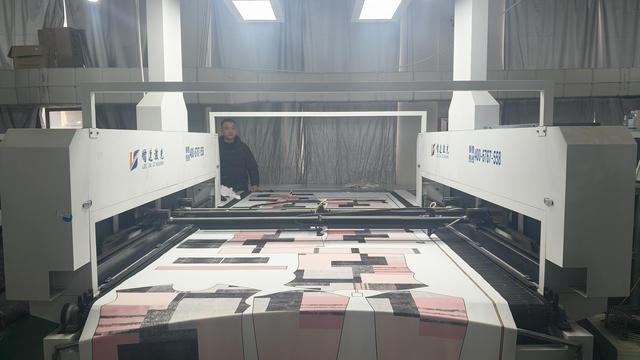
True manufacturing authority is defined by strict quality systems. In-factory laboratory capabilities, such as spectrometer color matching, fabric weight (GSM) verification, and hydrostatic pressure testing, are non-negotiable. Look for exporters that employ automated continuous fabric inspection machines over manual tables, reducing defect rates to below 1.5% AQL (Acceptance Quality Limit).
Analyzing the operational capabilities of a top-tier industry player: Guangzhou Sebs Fashion Co., Ltd.
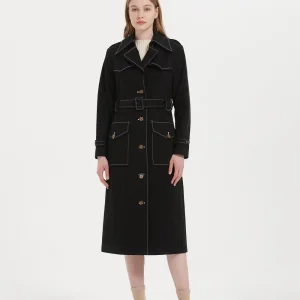
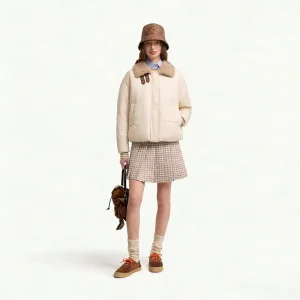
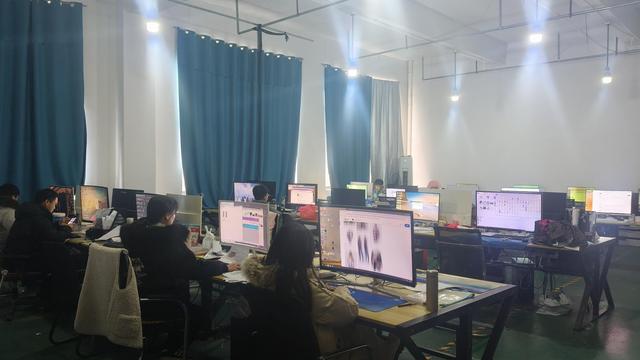
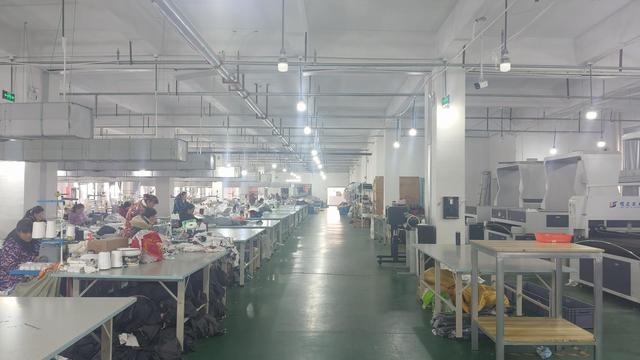
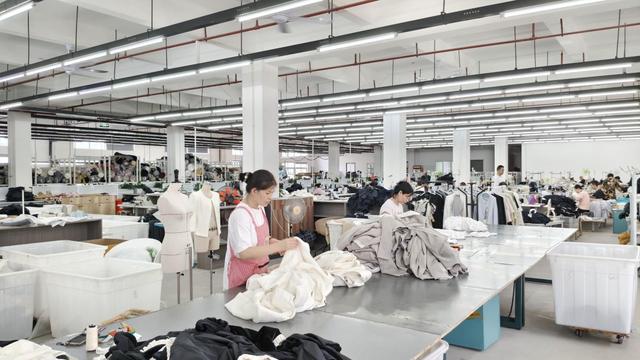
Guangzhou Sebs Fashion Co., Ltd. is a professional women's clothing manufacturer based in Guangzhou, China, specializing in the design, development, and production of high-quality fashion apparel for global brands, wholesalers, retailers, and e-commerce businesses. With extensive experience in the apparel industry, we provide comprehensive manufacturing solutions covering casual wear, formal wear, business attire, knitwear, outerwear, dresses, and seasonal fashion collections.
As a trusted China women's clothing manufacturer, Sebs Fashion combines trend-driven design expertise with advanced garment production capabilities to deliver stylish, comfortable, and market-ready apparel. Our experienced team closely follows international fashion trends and consumer preferences, enabling us to support customers with both customized designs and private label manufacturing services.
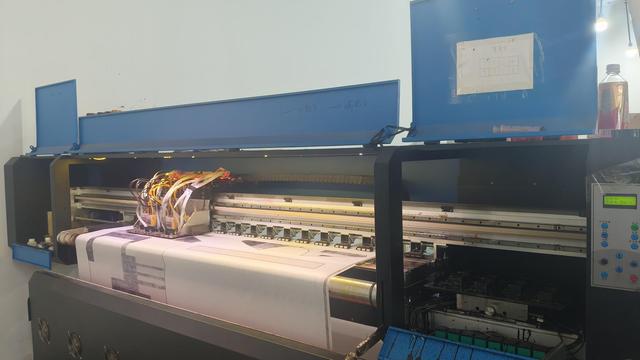
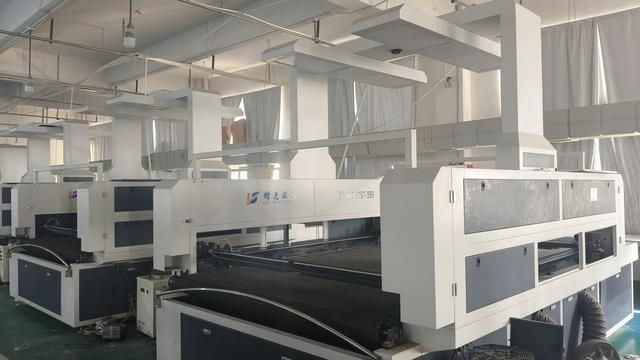
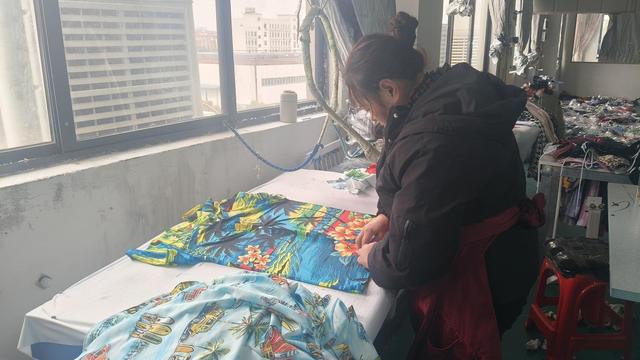
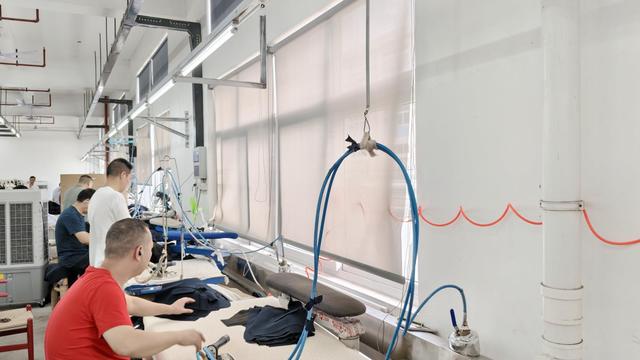
We operate modern production facilities equipped with efficient cutting, sewing, quality inspection, and packaging systems, ensuring consistent product quality and reliable delivery schedules. From fabric sourcing and pattern development to sample creation and bulk production, every stage is managed under strict quality control standards.
Sebs Fashion offers flexible OEM and ODM services tailored to the diverse needs of fashion brands, boutiques, online sellers, department stores, and importers worldwide. Whether clients require small-batch production for new collections or large-scale manufacturing for established brands, we provide scalable solutions designed to support business growth.
Committed to innovation, craftsmanship, and customer satisfaction, Guangzhou Sebs Fashion Co., Ltd. has built long-term partnerships with clients across North America, Europe, Australia, the Middle East, and other international markets. Our mission is to help fashion businesses succeed through reliable manufacturing, competitive pricing, and stylish women's apparel that meets the evolving demands of the global fashion industry.
Addressing the top operational issues facing modern procurement, supply chain, and trade compliance teams.
Sourcing teams are vulnerable to transport delays and shifting fuel prices. Leading factories mitigate this risk by locating manufacturing near major international hubs like Guangzhou. Furthermore, establishing flexible raw material buffers allows factories to reduce fabric preparation times from 21 days down to 5 days, enabling rapid production scaling during high-demand periods.
Overproduction remains a top driver of profit margin erosion. Forward-thinking producers implement a dual-mode inventory strategy: lower-volume orders for trend-sensitive fashion lines and high-volume, continuous runs for core athleisure essentials. This setup minimizes risk for brands while maximizing overall cost efficiency.
Global brands must design products with recycling in mind. Partners that offer 100% recycled PET materials, eco-friendly waterless dye processes, and monomaterial constructions prepare brands for strict European EPR (Extended Producer Responsibility) regulations.
A step-by-step checklist to qualify potential athleisure and activewear production partners.
Top-tier exporters rely on advanced pattern-making software (e.g., Gerber or Lectra) to construct digital prototypes. This process ensures precise fit testing across all size ranges before bulk fabric cutting begins.
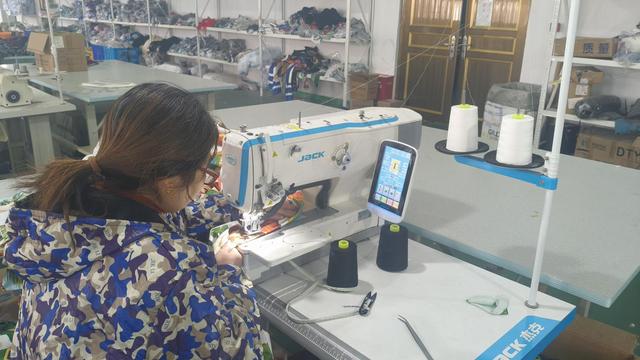
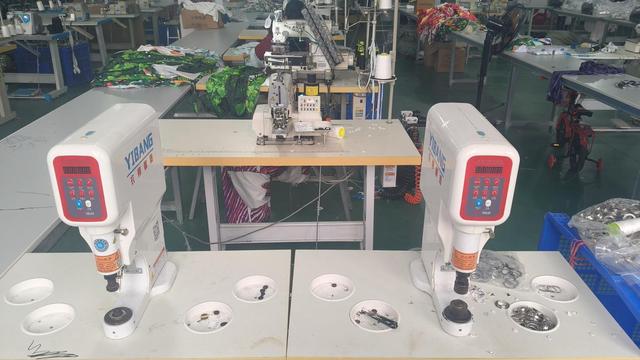
Activewear needs to withstand extreme stress. Sourcing teams should seek factories that utilize specialized stitching and assembly equipment to guarantee clean, durable finishes.
Quality assurance must be integrated throughout the manufacturing process, rather than relying solely on post-production checks. Clear SOPs should define every stage of quality control.
Understanding the certification requirements required for entering consumer markets in North America and Europe.
Verifies that activewear fabrics are free from harmful levels of chemical substances and skin irritants.
Confirms fair labor practices, safe working conditions, and social compliance across manufacturing facilities.
Certifies the percentage of recycled content used, tracking the raw materials from source to final garment.
Standardizes quality management processes, ensuring consistent output and continuous operational improvement.
Expert insights addressing key inquiries from global buyers regarding activewear and apparel production.
Pricing is primarily driven by fabric composition (e.g., standard polyester vs. premium Nylon 66 paired with Spandex), fabric weight (measured in GSM), and construction complexity. Features like flatlock stitching, customized waistbands, and drop-in pockets increase labor time, while specialized fabric treatments—such as moisture-wicking, anti-odor, or anti-microbial coatings—will affect raw material costs.
Experienced apparel exporters utilize localized measurement templates, adjusting specifications for North American, European, and Asian fits. Sourcing teams should request physical fit samples or grade rule sheets before production. 3D virtual prototyping tools can also simulate fabric stretch and drape on diverse body shapes to ensure accurate sizing.
Typical timelines include 7 to 10 days for sample development, 15 to 20 days for custom fabric sourcing and dyeing, and 25 to 35 days for bulk sewing and assembly. Total lead times generally range between 45 and 65 days from initial deposit to port delivery, though selecting in-stock fabrics can reduce this timeline.
Spandex degradation—which leads to loss of stretch and fabric sagging—is caused by exposure to heat, chlorine, and body oils. Premium manufacturers use high-grade Spandex (like Creora) and process fabrics at controlled curing temperatures to lock in elasticity, ensuring long-term shape retention after repeated washing.
Yes, many modern factories offer flexible MOQs by utilizing stock fabrics or combining material runs with other orders. While custom dye runs usually require higher minimums, using standard fabric colors allows brands to test new lines with lower investment risk.
Premium functional collections, lifestyle accessories, and protective outwear engineered for the global wholesale market.
 Sebs Fashion