A comprehensive analysis of sourcing paradigms, industrial cluster transformations, and elite supply chain dynamics.
The global women’s blouses and tops sector is a dynamic vertical within the textile and fashion economy, valued at tens of billions of dollars. Navigating this ecosystem requires enterprise buyers to balance volume margins, aesthetic variations, fast fashion response loops, and strict ESG compliance protocols. Modern suppliers have evolved from basic contract sewing shops into tech-driven manufacturing partners offering full-package design, digital patterns, automated material optimization, and zero-defect quality inspections.
Selecting a top-tier blouse exporter involves mapping their geographical raw material advantages against lead-time capabilities. Today, key global sourcing hubs like Guangzhou, China, are leading the way by combining local fabric markets with high-precision digital factories. This integration helps buyers minimize supply chain vulnerabilities and capture margins before product cycles expire.
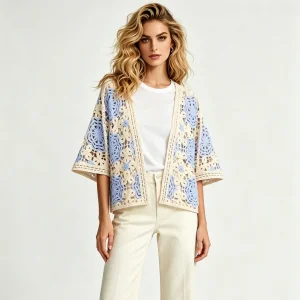
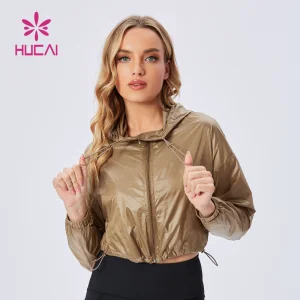
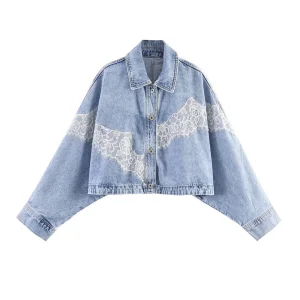
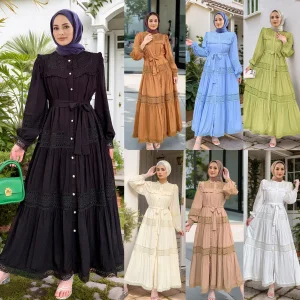
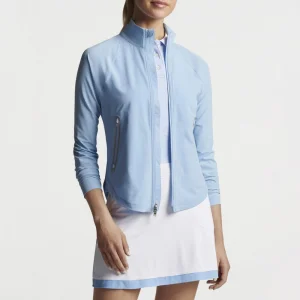
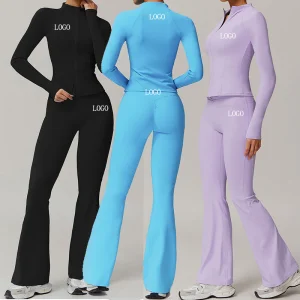
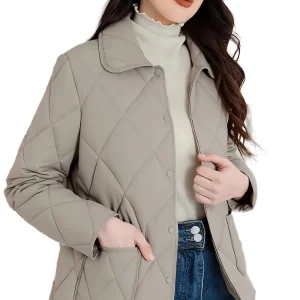
Explore our latest technical fabrications, contemporary cuts, and seasonal best-sellers engineered for global export markets.

Decoding the critical matrices that multi-national fashion retailers use to audit supplier capability.
The ability to source diverse fiber compositions—from eco-conscious organic cotton and linen to advanced modal, micro-polyesters, and high-recovery elastane blends—determines a supplier's market flexibility.
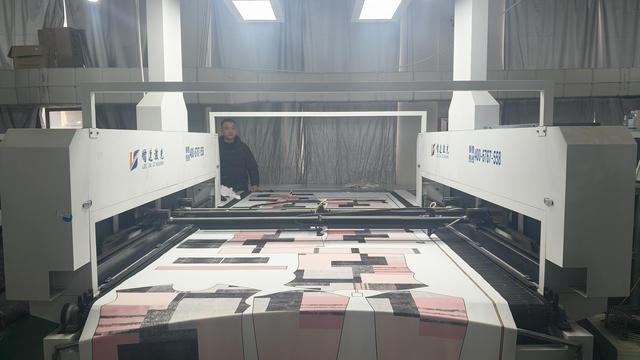
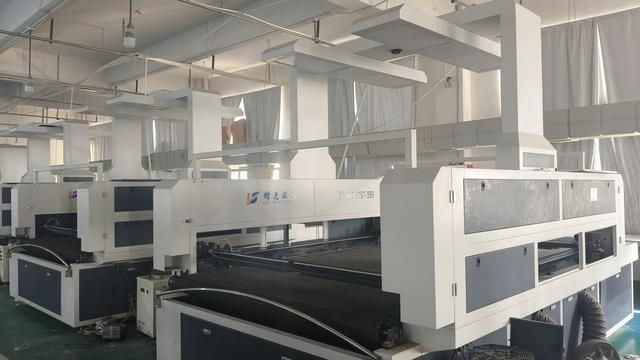
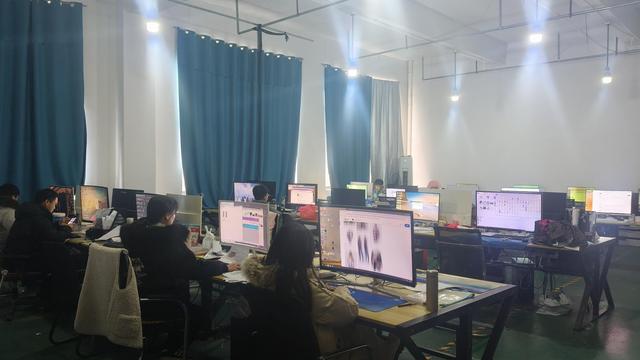
Top-tier exporters leverage real-time CAD software and automated fabric spreading and cutting machines to reduce prototype cycles from weeks to just days, ensuring high speed-to-market.
Global brands require compliance with BSCI, WRAP, and Sedex standards. Elite manufacturers ensure fair wages, safe workplaces, and zero environmental degradation in their processing facilities.
The design architecture of a blouse must reflect its regional target market. For example, North American corporate apparel requires generous fits, durable polyester-cotton blends, and easy-iron finishes. Conversely, European markets lean toward tailored lines, eco-friendly certifications (like GOTS or OEKO-TEX), and subtle design details.
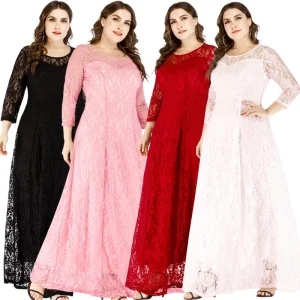
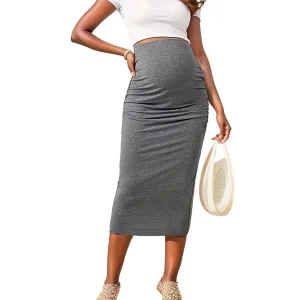
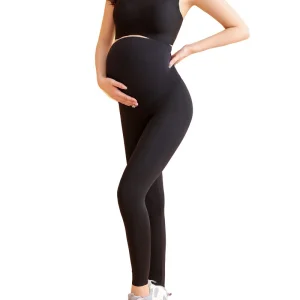
Additionally, specialized segments—such as modesty-compliant wear in the Middle East or maternity fashion—require unique fabric draping, strategic paneling, and breathable materials. Suppliers must be able to adapt their patterns to these specific regional sizing standards and cultural expectations.
An inside look at the structural advantages of Chinese garment clusters, from raw inputs to digital export logistics.
While the global textile industry has diversified, China remains a core hub for technical complexity, quality consistency, and scale. The Pearl River Delta, especially Guangzhou, functions as a highly integrated industrial ecosystem. Here, fabric sourcing, accessory manufacturing, digital pattern design, and custom dye houses are clustered within a small geographic radius.
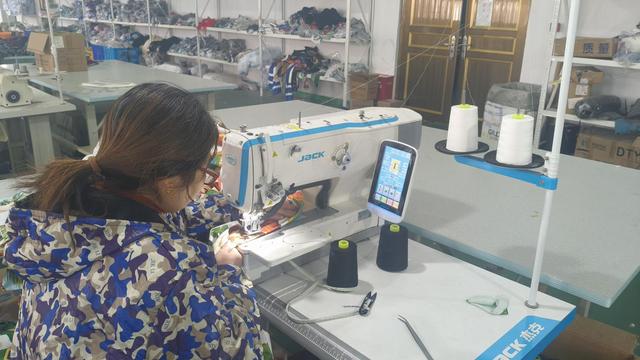
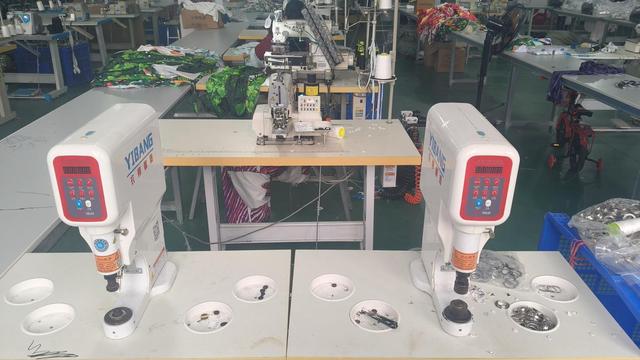
This concentration allows manufacturers to source specialty buttons, custom lace paneling, and custom dyed yarns in hours rather than weeks. Beyond raw material proximity, China's apparel factories lead in automation. Computerized multi-needle sewing machines, automated pocket setters, and digital hanger transport systems reduce human error and ensure consistent, repeatable quality across large production runs.
A Premier China Women's Clothing Manufacturer Specializing in High-Quality Fashion Apparel for Global Markets.
Guangzhou Sebs Fashion Co., Ltd. is a professional women's clothing manufacturer based in Guangzhou, China, specializing in the design, development, and production of high-quality fashion apparel for global brands, wholesalers, retailers, and e-commerce businesses. With extensive experience in the apparel industry, we provide comprehensive manufacturing solutions covering casual wear, formal wear, business attire, knitwear, outerwear, dresses, and seasonal fashion collections.
As a trusted China women's clothing manufacturer, Sebs Fashion combines trend-driven design expertise with advanced garment production capabilities to deliver stylish, comfortable, and market-ready apparel. Our experienced team closely follows international fashion trends and consumer preferences, enabling us to support customers with both customized designs and private label manufacturing services.
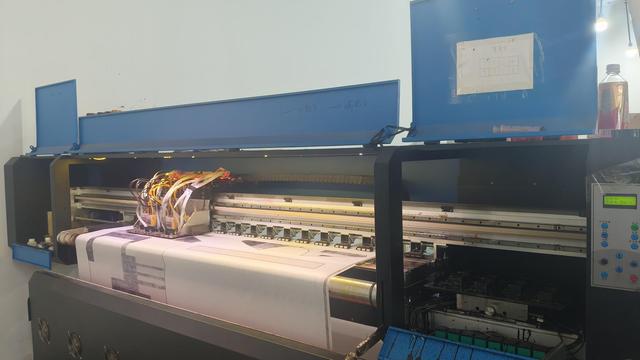
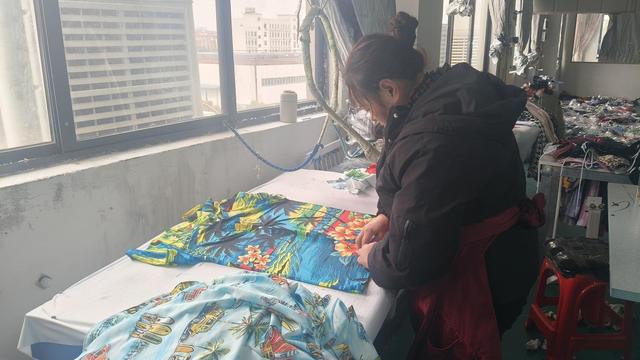
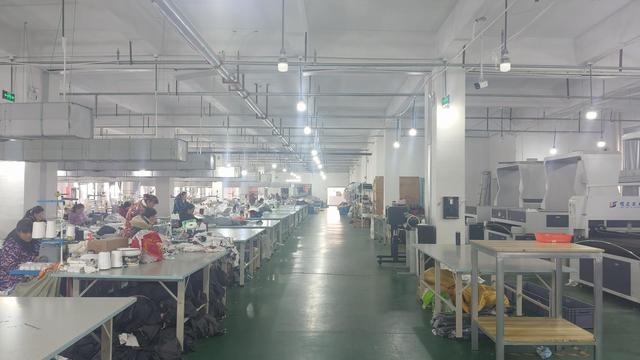
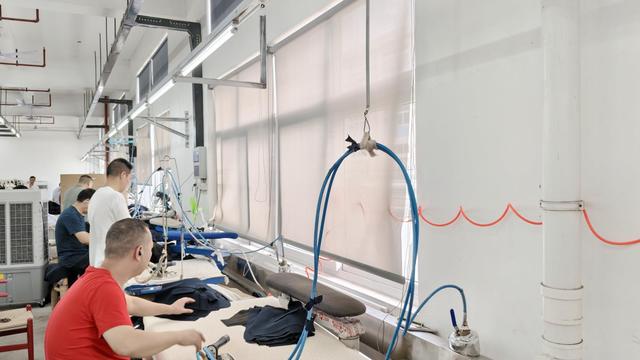
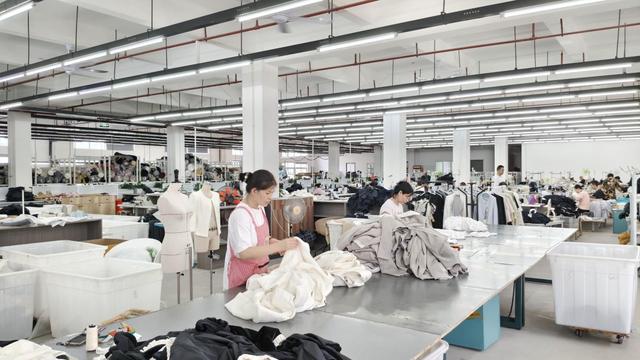
We operate modern production facilities equipped with efficient cutting, sewing, quality inspection, and packaging systems, ensuring consistent product quality and reliable delivery schedules. From fabric sourcing and pattern development to sample creation and bulk production, every stage is managed under strict quality control standards.
Sebs Fashion offers flexible OEM and ODM services tailored to the diverse needs of fashion brands, boutiques, online sellers, department stores, and importers worldwide. Whether clients require small-batch production for new collections or large-scale manufacturing for established brands, we provide scalable solutions designed to support business growth.
Committed to innovation, craftsmanship, and customer satisfaction, Guangzhou Sebs Fashion Co., Ltd. has built long-term partnerships with clients across North America, Europe, Australia, the Middle East, and other international markets. Our mission is to help fashion businesses succeed through reliable manufacturing, competitive pricing, and stylish women's apparel that meets the evolving demands of the global fashion industry.
Visualizing our advanced manufacturing infrastructure, quality control lanes, and automated cutting rooms.
What enterprise buyers must anticipate over the next three to five years.
Regulators in Europe and North America are tightening standards on textile waste. As a result, the demand for circular blouse fabrics—such as Tencel, Lyocell, recycled polyester, and Cupro—is growing. Suppliers are adapting by adjusting their weaving and spinning processes to handle these alternative, lower-tension fibers.
3D digital fitting software has changed the way buyers approve collections. Instead of shipping physical samples back and forth across oceans, designers can test drape and stretch on virtual avatars. This reduces pre-production time from months to days and helps brands cut shipping costs and material waste.
Social commerce has shortened trend cycles, making large bulk inventory buys risky. Modern factories are building flexible production lines that can process small opening orders (such as 100-300 pieces) and scale them up quickly if the item trends. This protects brands from excess stock and markdown losses.
Answering high-intent technical questions for commercial procurement managers.
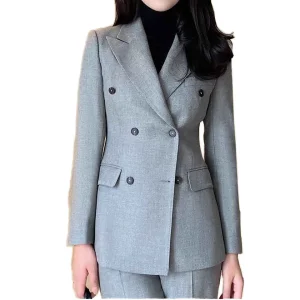
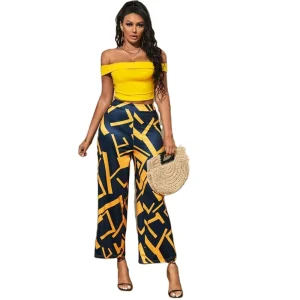
Explore our formal office wear, maternity selections, and specialized casual garments.

 Sebs Fashion