Explore our highly requested commercial pieces engineered for brand scaling, luxury boutiques, and high-growth retail entities.
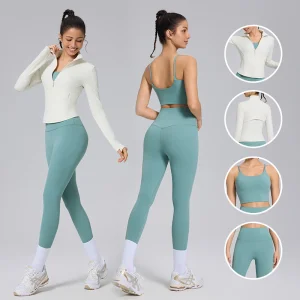
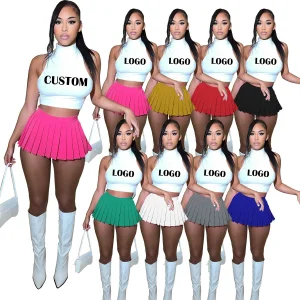
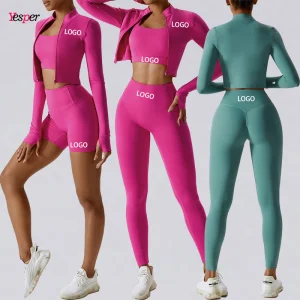
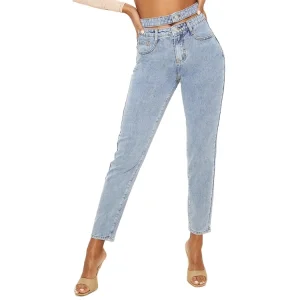
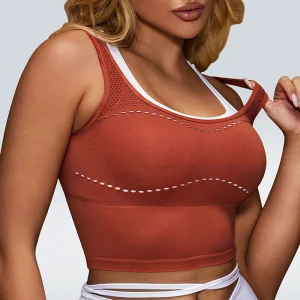
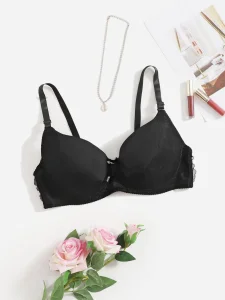
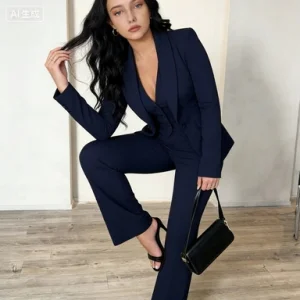
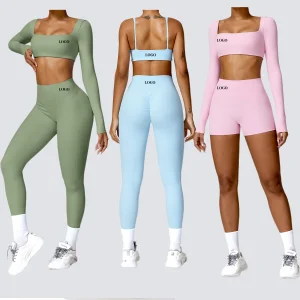
The global apparel industry is undergoing an unprecedented shift. "Chic Attire"—a term that has evolved from simple haute couture to embody high-performance, aesthetically versatile, and luxury-grade garments—represents the fastest-growing segment in the B2B fashion sector. Brands are no longer targeting static product lines; they require hybrid collections that seamlessly bridge professional, athletic, and casual environments.
Valued at over $800 billion globally, the women's apparel market demands lightning-fast production turnaround times alongside strict environmental compliance. For global purchasing departments, sourcing from factories that understand this multi-dimensional demand profile is the difference between capturing high-margin consumer interest and carrying obsolete inventory. Smart tech integrations, fabric innovation (such as moisture-wicking and shape-retentive recycled blends), and transparent production systems have become the standard base requirements for successful apparel supply chains.
How regional vertical integration and tech innovation enable faster, cheaper, and superior product lifecycles.
Located in global textile powerhouses like Guangzhou, China factories operate inside highly consolidated industrial clusters. From raw yarn sourcing and button fabrication to dying mills and logistical dispatch centers, all nodes are within a 50-kilometer radius. This proximity reduces transit times and lead latency to next to zero.
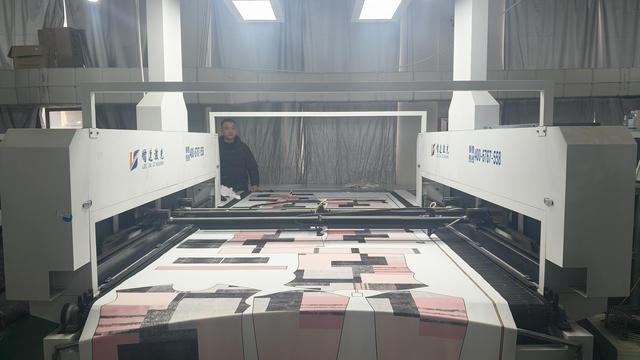
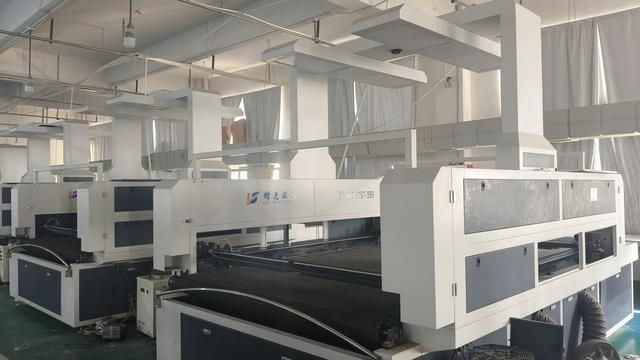
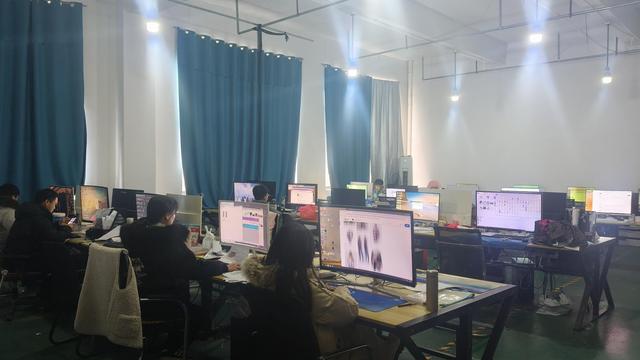
Modern factories use intelligent Computer-Aided Design (CAD) layout programs and robotic fabric cutters. This minimizes raw material waste, increases sizing accuracy across international specifications, and ensures that complex designs transition from sketch to assembly line flawlessly.
Unlike other production regions, Chinese factories excel at handling both agile small-batch customization (low MOQ testing runs for emerging boutique startups) and large-scale bulk manufacturing for major multinational fashion houses, maintaining strict unit consistency throughout.
Guangzhou Sebs Fashion Co., Ltd. is a professional women's clothing manufacturer based in Guangzhou, China, specializing in the design, development, and production of high-quality fashion apparel for global brands, wholesalers, retailers, and e-commerce businesses. With extensive experience in the apparel industry, we provide comprehensive manufacturing solutions covering casual wear, formal wear, business attire, knitwear, outerwear, dresses, and seasonal fashion collections.
As a trusted China women's clothing manufacturer, Sebs Fashion combines trend-driven design expertise with advanced garment production capabilities to deliver stylish, comfortable, and market-ready apparel. Our experienced team closely follows international fashion trends and consumer preferences, enabling us to support customers with both customized designs and private label manufacturing services.
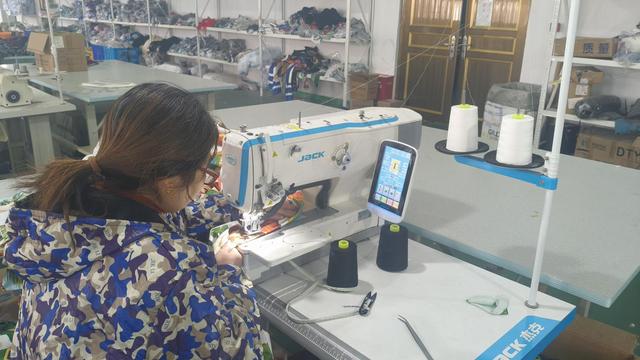
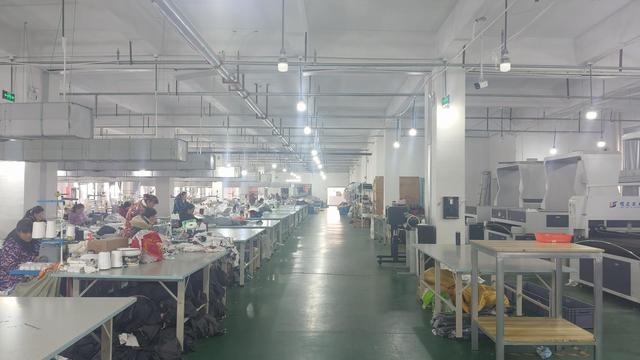
We operate modern production facilities equipped with efficient cutting, sewing, quality inspection, and packaging systems, ensuring consistent product quality and reliable delivery schedules. From fabric sourcing and pattern development to sample creation and bulk production, every stage is managed under strict quality control standards. Committed to innovation, craftsmanship, and customer satisfaction, Guangzhou Sebs Fashion Co., Ltd. has built long-term partnerships with global fashion buyers to build scalable business opportunities.
Understanding how different geographical environments and demographics translate into design, fabric, and volume specs.
In metropolitan markets (e.g., USA, UK), the lines between activewear and street clothing have blurred. Consumers demand high-elasticity fabrics like nylon-spandex blends that feel luxury-soft but withstand high-intensity use. The application scenario spans morning Pilates, boardroom meetings (layered with a structured blazer), and evening social settings.
Corporate offices in international business hubs require clean, sharp lines and heavy drape properties. Using crease-resistant polyester-viscose weaves, three-piece blazer sets provide modern working professionals with elegant structure. These pieces demand strict alignment in sizing, high-grade lining materials, and durable interior stitching.
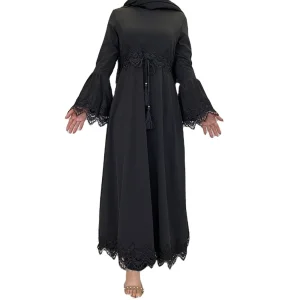
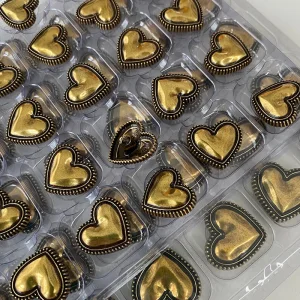
The Middle East and modest-fashion communities worldwide require specialized textile approaches. Products like premium lace patchwork abayas require lightweight, non-translucent fabrics with breathable properties suitable for hot climates. High-end embroidery machinery and premium finishing buttons are vital to meet cultural quality expectations.
A professional cheat sheet for global sourcing managers and buying directors looking to mitigate supply chain risks.
For international corporate buyers, the true cost of an item is not the ex-works price; it is the total cost of ownership. Unreliable shipping windows, sizing discrepancies, and unexpected chemical odors in fabrics can destroy a brand’s retail launch. Successful sourcing teams require a strict validation method.
Our typical order lifecycle is optimized for maximum security, speed, and visibility:
How industry leaders are modifying workflows to stay ahead of sustainability demands and technological changes.
B2B buyers are demanding sustainability. Recycled nylon, organic cotton, and biodegradable fibers are moving from niche specialties to standard requests. Brands that incorporate eco-friendly components command higher retail price points and gain consumer trust.
To reduce shipping costs and speed up approvals, manufacturers are using 3D digital avatars. This technology lets designers tweak fabric hang, pattern adjustments, and drape properties instantly on a virtual rendering before cutting physical fabrics.
Moving away from high-risk bulk ordering models, smart brands rely on rapid feedback mechanisms. Initial small trial runs of 100-300 units are launched to test consumer engagement, followed by rapid larger production runs for top-performing styles.
Direct answers to technical questions about apparel OEM/ODM manufacturing, lead times, and logistical fulfillment.
Our standard MOQ varies based on fabric availability. For styles utilizing in-stock fabrics (such as standard yoga leggings or activewear blends), we offer flexible MOQs of 100–300 pieces per style/color. For fully custom dye processes, custom knitwear patterns, or specialized hardware accessories, MOQs generally start around 500-1,000 pieces per batch to optimize material usage and dyeing machine runs.
We use international color standardization systems, primary Pantone color code books (TCX/TPG formats), and computerized spectrophotometer matching. Every new fabric production run undergoes light-box evaluations across different light sources (D65, TL84, CWF) to ensure color consistency across retail displays and avoid metamerism.
Yes, we provide full private label and custom packaging services. This includes woven main labels, satin care instruction tags (customized for EU/US laundry requirements), heat-transfer brand labels, paper hangtags, custom eco-friendly polybags, and UPC/EAN retail barcode application. Items are delivered ready to ship straight to retail store shelves or e-commerce fulfillment centers.
For sampling, we typically deliver prototypes within 5-10 business days depending on design complexity and the availability of sample yardage. Once samples are approved and deposit payments are verified, bulk production generally takes 20-35 days, including quality control processes and packaging times.
We work closely with certified fabric mills that hold OEKO-TEX and Global Recycled Standard (GRS) certifications. Within our production facility, we maintain strict adherence to local labor, safety, and wage regulations, ensuring a safe, healthy working environment. We also implement clean production processes to reduce chemical residue and fabric waste.
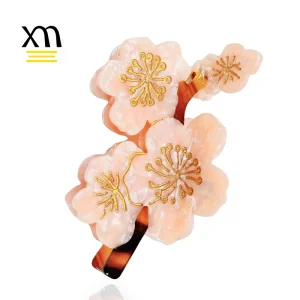
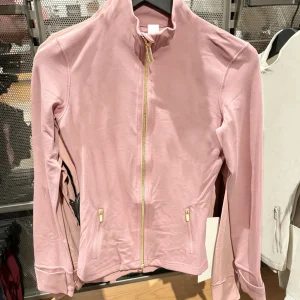
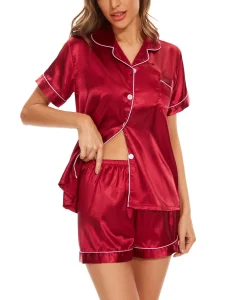
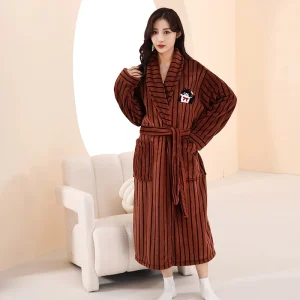
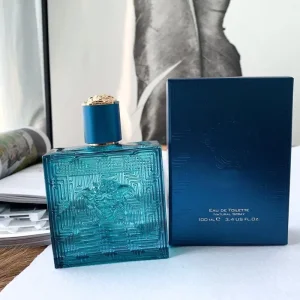
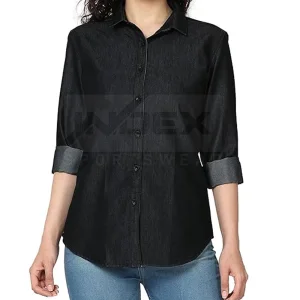
Browse through our specialized fashion divisions, ranging from premium custom sleepwear to high-end accessories.
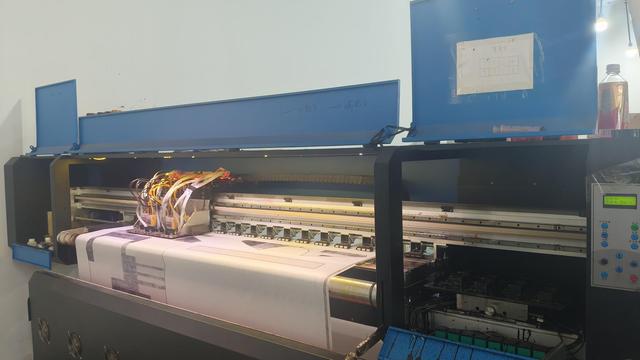
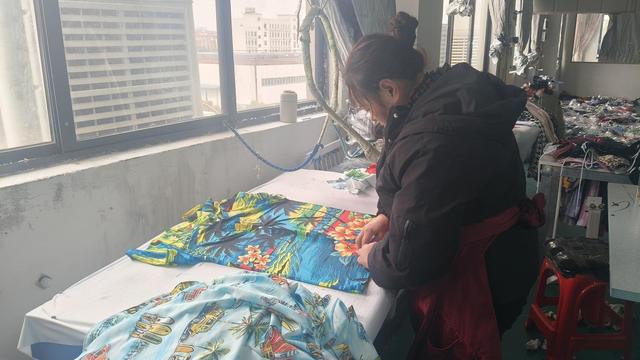
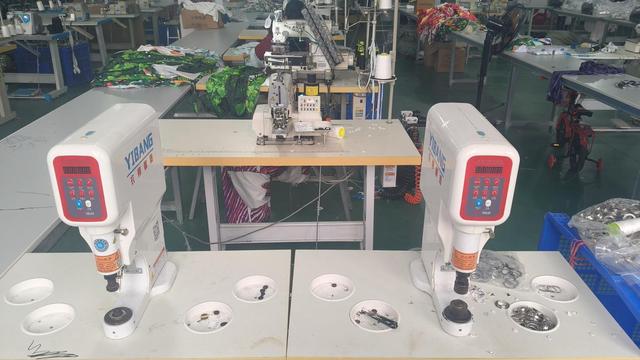
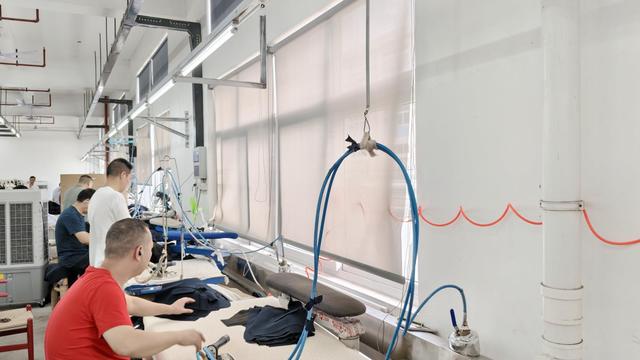
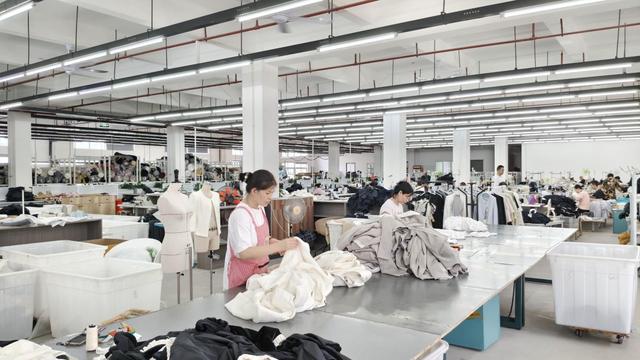
Step inside our facilities. Comprehensive quality management systems, advanced machinery, and organized workflows.
 Sebs Fashion