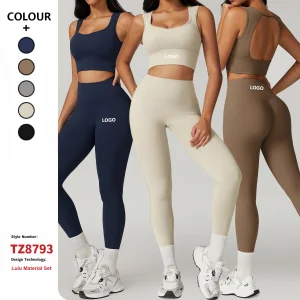
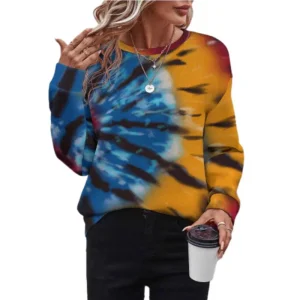
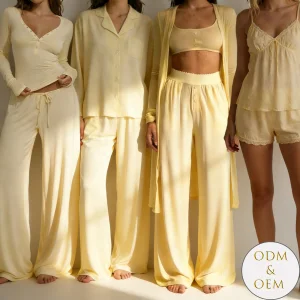
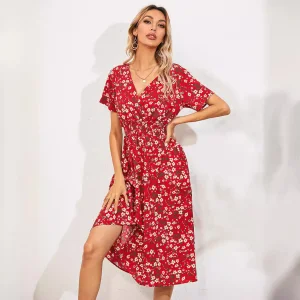
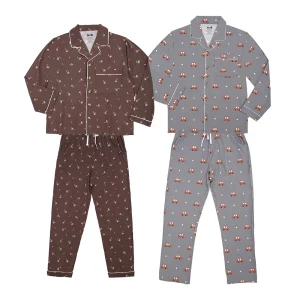
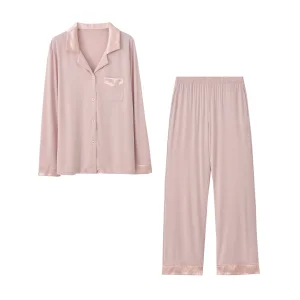
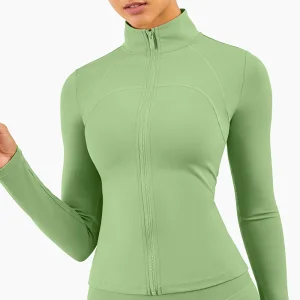
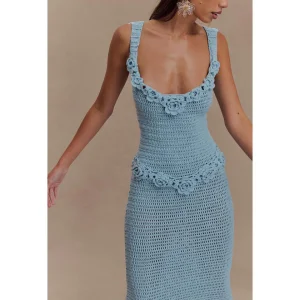
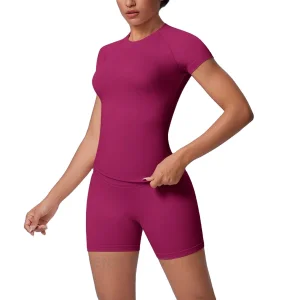
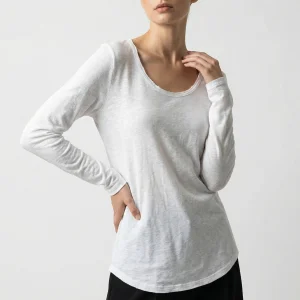
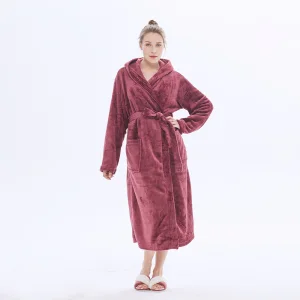
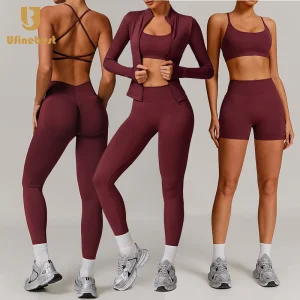
Premium athletic apparel, knitwear, sleepwear, and loungewear solutions optimized for global retail networks.
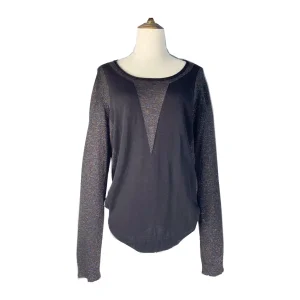
The global women’s sweater market has evolved from a seasonal commodity sector into a high-stakes, fashion-forward, technology-integrated segment. Enterprise buyers—ranging from multinational retail networks to high-end designer brands and digital native e-commerce platforms—require more than basic fabric assembly. They demand systematic stability, speed-to-market, and multi-tier compliance.
Today's procurement strategies are defined by two key factors: supply chain resilience and material innovation. Brands can no longer afford standard 90-day lead times that result in either missing trend cycles or excess warehouse inventory. Modern partners require dynamic manufacturers capable of executing rapid sample approvals, utilizing CAD patterns, and offering flexible, tiered Minimum Order Quantity (MOQ) policies. This shift allows brands to test consumer preferences before investing in large-scale production.
Buyers require transparent supply chains that verify the origin of fibers, including raw cashmere, merino wool, and organic cotton. GOTS and RDS certifications are becoming standard global compliance requirements.
Moving from design sketch to retail shelf in under 45 days is critical. Manufacturers must integrate automated cutting, high-speed flat knitting, and digital tech packs to eliminate production bottlenecks.
Computerized knitting systems minimize waste by matching raw material quantities with precise panel shapes, reducing modern textile footprint and cost overheads.
Global logistics challenges, fluctuating raw material costs, and geopolitical changes require knitwear manufacturers to provide comprehensive macro solutions rather than simple production services. The leading export partners function as strategic advisors, mitigating risk through proactive inventory management and dual-sourcing strategies.
By establishing strategic warehouses and maintaining ready-to-spin yarn stocks in neutral colorways, top-tier suppliers shield importers from sudden price spikes. The integration of digital supply chain dashboards allows procurement officers to monitor order status in real time, from yarn dye tests to final ocean dispatch, ensuring predictable supply chains.
Securing high-grade merino wool, acrylic blends, and organic cotton up to six months before peak production seasons to avoid inflationary pricing.
Using computerized Stoll and Shima Seiki flat-knitting technology, enabling rapid switching between 5GG, 7GG, and 12GG production runs.
Employing closed-loop water filtration systems during the washing and softening phases to meet strict European and North American waste disposal standards.
Within this complex industrial framework, Guangzhou Sebs Fashion Co., Ltd. serves as a model of contemporary apparel manufacturing. Combining design innovation with industrial-scale output, Sebs Fashion provides scalable OEM and ODM solutions to meet the demands of global retail markets.
Guangzhou Sebs Fashion Co., Ltd. is a professional women's clothing manufacturer based in Guangzhou, China, specializing in the design, development, and production of high-quality fashion apparel for global brands, wholesalers, retailers, and e-commerce businesses. With extensive experience in the apparel industry, we provide comprehensive manufacturing solutions covering casual wear, formal wear, business attire, knitwear, outerwear, dresses, and seasonal fashion collections.
As a trusted China women's clothing manufacturer, Sebs Fashion combines trend-driven design expertise with advanced garment production capabilities to deliver stylish, comfortable, and market-ready apparel. Our experienced team closely follows international fashion trends and consumer preferences, enabling us to support customers with both customized designs and private label manufacturing services.
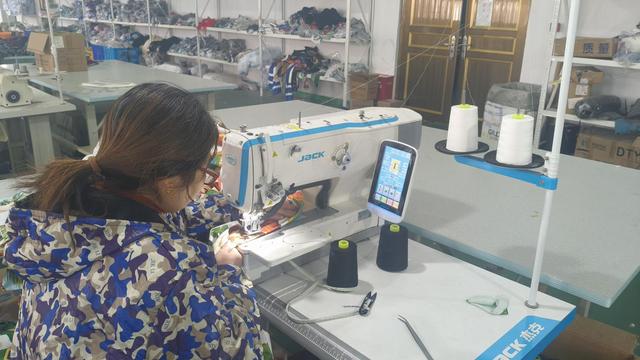
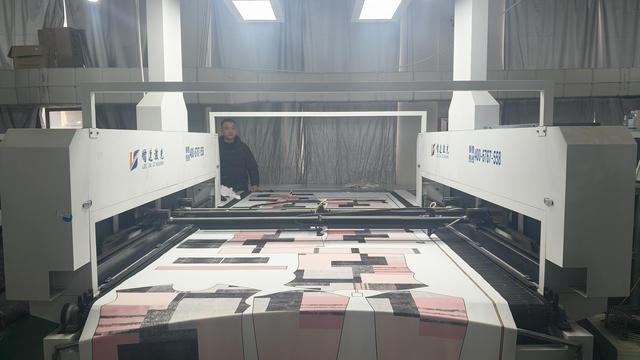
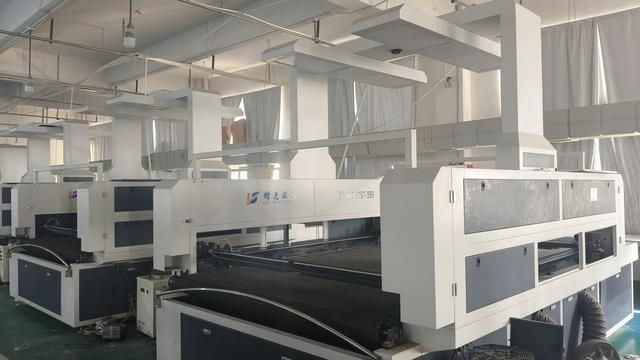
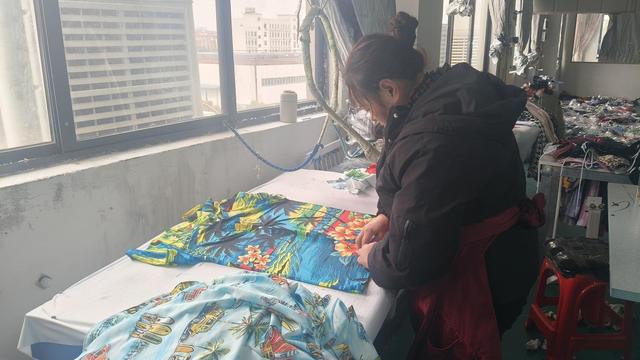
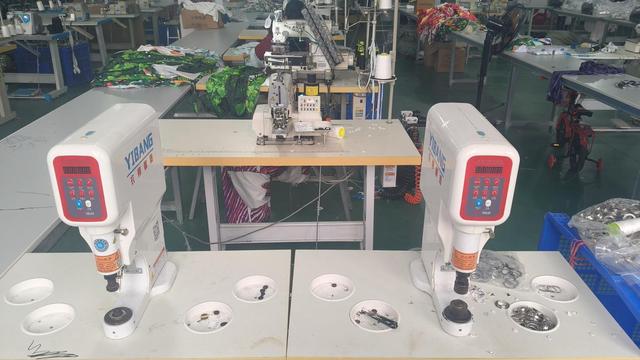
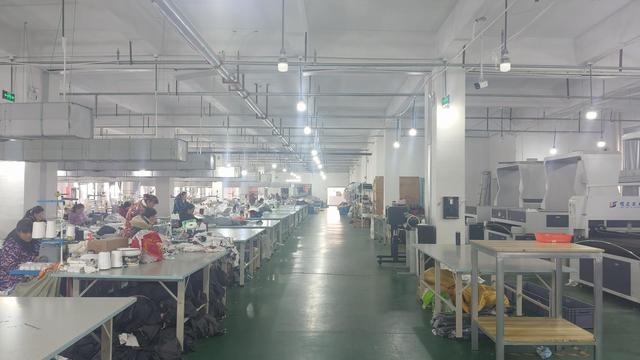
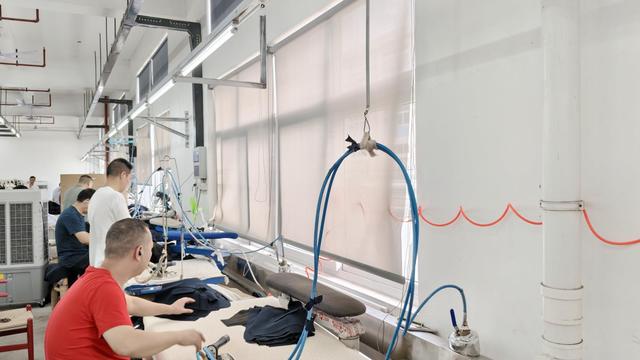
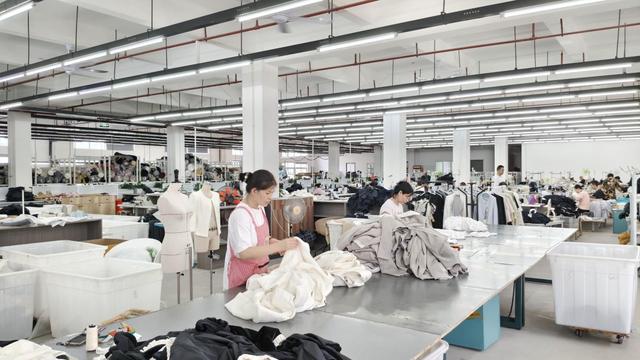
We operate modern production facilities equipped with efficient cutting, sewing, quality inspection, and packaging systems, ensuring consistent product quality and reliable delivery schedules. From fabric sourcing and pattern development to sample creation and bulk production, every stage is managed under strict quality control standards.
Sebs Fashion offers flexible OEM and ODM services tailored to the diverse needs of fashion brands, boutiques, online sellers, department stores, and importers worldwide. Whether clients require small-batch production for new collections or large-scale manufacturing for established brands, we provide scalable solutions designed to support business growth.
Committed to innovation, craftsmanship, and customer satisfaction, Guangzhou Sebs Fashion Co., Ltd. has built long-term partnerships with clients across North America, Europe, Australia, the Middle East, and other international markets. Our mission is to help fashion businesses succeed through reliable manufacturing, competitive pricing, and stylish women's apparel that meets the evolving demands of the global fashion industry.
| Production Division | Primary Machinery & Tech | Monthly Capacity | Primary Target Markets |
|---|---|---|---|
| Fine Gauge Knitwear (12GG - 14GG) | German Stoll Computerized Flat Knitting Machines | 85,000 Units | North America, Western Europe |
| Chunky & Mid-Knit (3GG - 7GG) | Shima Seiki WHOLEGARMENT Systems | 60,000 Units | Northern Europe, East Asia |
| Cut-and-Sew / Activewear | Automated Laser Cutters, 4-Needle 6-Thread Flatseamers | 120,000 Units | Global E-Commerce Platforms |
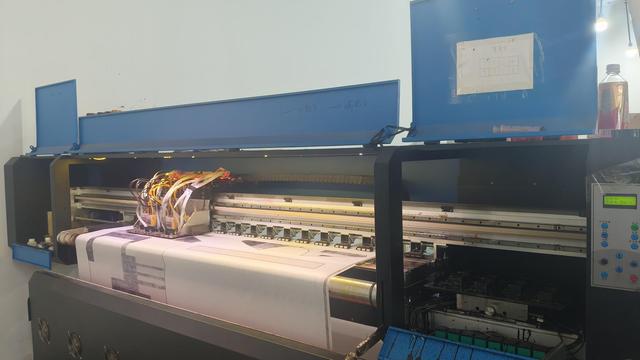
| Sample Development Lab | 3D CAD modeling, Digital Pattern Printers | 400+ styles/month | Global OEM / ODM Brands |
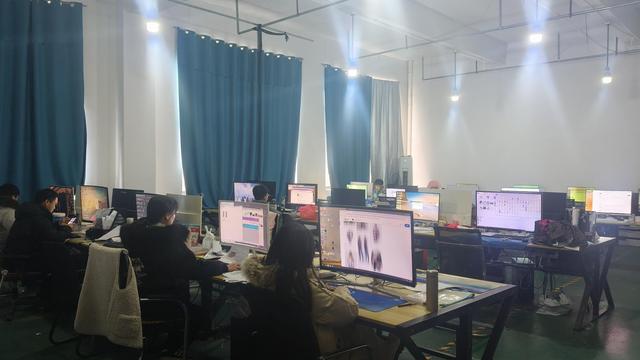
High-quality knitwear manufacturing is moving beyond traditional spinning and linking. The integration of 3D seamless knitting technology allows suppliers to program entire garments on computer workstations, creating complete sweaters without seams. This eliminates structurally weak points, improves wearer comfort, and reduces production yarn waste by up to 18%.
At the same time, material chemistry is shifting toward high-performance, eco-friendly yarn options. The traditional use of pure acrylic yarn is declining in favor of durable, sustainable alternatives.
By blending bamboo fiber and Tencel Modal with premium long-staple cotton, we create knitwear that offers natural breathability and silk-like drape, while remaining fully biodegradable.
Sourced from post-consumer plastic bottles, our GRS-certified recycled polyester is processed into soft, resilient yarn with excellent color fastness and anti-pilling properties.
Engineered yarns featuring specialized blends of merino wool and recycled spandex provide natural temperature regulation, odor control, and long-term shape retention.
To ensure high standards for global markets, we enforce a strict multi-tier quality control protocol:
When evaluating the top 10 women's sweater manufacturers and exporters, enterprise procurement managers must look beyond unit price. The total cost of ownership (TCO) is influenced by tariff zones, logistical convenience, and design capability. Below is an overview of the global production hubs and how China-based leaders like Guangzhou Sebs Fashion maintain their competitive edge.
China (Guangdong Hub): Known for advanced design integration, skilled labor, and rapid access to the world's largest yarn market (Dalang, Dongguan). This ecosystem enables quick product turnaround and accommodates both complex knit styles and large-scale bulk orders.
Southeast Asia (Vietnam/Cambodia): Offers competitive labor costs for basic, high-volume products, but often relies on external raw material supply chains, resulting in longer product development times.
South Asia (Bangladesh): Well-suited for high-volume, low-margin basic knitwear, though lacking the specialized design and technical development capabilities required for premium collections.
Southern Europe (Italy/Portugal): Excellent choice for luxury collections, though higher production costs limit scalability for mid-market and premium commercial brands.
Shipping knitwear across international borders requires navigating complex customs regulations, tariff structures, and chemical safety standards. Reliable exporters help buyers mitigate risk by staying fully compliant with international rules, including REACH for the European Union, CPSIA for North America, and AS/NZS standards for Australia.
Expert answers to common questions about product development, shipping, and supply chain logistics.
A transparent look at our clean, modern production facilities, testing labs, and finishing areas.
Comfort, durability, and modern aesthetics designed for diverse global fashion collections.

 Sebs Fashion