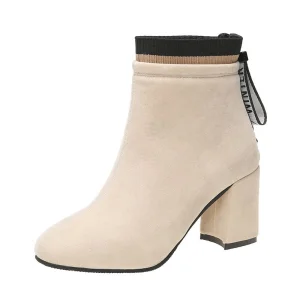
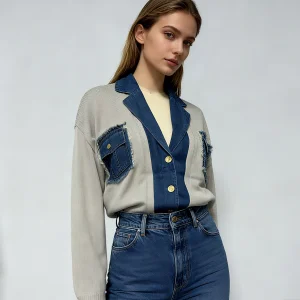
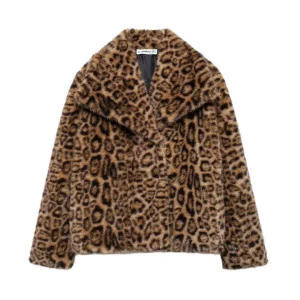
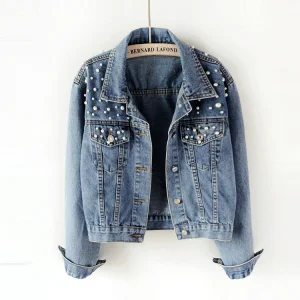
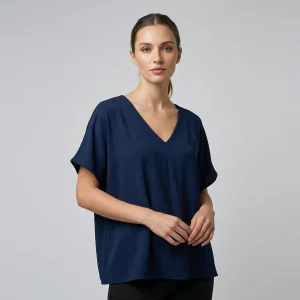
Innovative apparel, footwear, and accessory solutions engineered for modern retail networks and global distribution channels.
The global textile and apparel manufacturing sector is undergoing an unprecedented paradigm shift driven by digital integration, algorithmic consumer-demand cycles, and strict environmental mandate frameworks. As of 2024, the global market for women's knitted apparel, dominated prominently by women's T-shirts, has expanded beyond traditional fashion boundaries into activewear, hybrid corporate apparel, and sustainable basics. This segment alone accounts for a significant share of the global ready-made garment (RMG) trade, valued at hundreds of billions of dollars annually.
Enterprise procurement executives and brand managers no longer evaluate manufacturing partners solely based on Free on Board (FOB) pricing. Instead, the focus has shifted to comprehensive E-E-A-T indicators: proven manufacturing experience, technical textile expertise, institutional authority, and supply chain reliability. Navigating this dense landscape requires a deep dive into the top global hubs of apparel production, where advanced technological infrastructure meets cost-efficient logistics.
To accurately identify the top 10 women's T-shirt manufacturers and exporters, brands must analyze regional strengths. Different geographic clusters offer distinct strategic advantages depending on shipping speed, tariff structures, and raw material availability:
Remains the global epicenter for rapid-response supply chains. Characterized by unparalleled raw material markets, high-speed automated knitting infrastructure, and dense logistics clusters (Guangzhou Baiyun, Nansha Port, Shenzhen Port). Manufacturers here excel at high-precision OEM/ODM, advanced printing technologies, and complex fabric blending.
Benefit significantly from trade agreements (e.g., EVFTA) and lower direct labor costs. Highly optimal for high-volume, standardized basic T-shirt orders with longer lead times, though heavily dependent on raw yarn imports from China.
Renowned for massive scale and competitive pricing on 100% cotton garments. India offers local vertical integration from raw cotton farming to processing, while Bangladesh dominates high-volume global exports to the EU and US under duty-free frameworks, though often requiring substantial Minimum Order Quantities (MOQs).
Offering critical fast-fashion replenishment cycles for Western European and North American consumer bases. Turkey, in particular, combines robust design capabilities with quick-response overland shipping to EU nations.
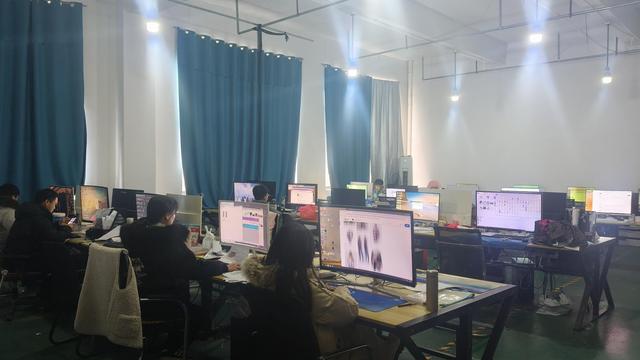
Guangzhou Sebs Fashion Co., Ltd. is a professional women's clothing manufacturer based in Guangzhou, China, specializing in the design, development, and production of high-quality fashion apparel for global brands, wholesalers, retailers, and e-commerce businesses. With extensive experience in the apparel industry, we provide comprehensive manufacturing solutions covering casual wear, formal wear, business attire, knitwear, outerwear, dresses, and seasonal fashion collections.
As a trusted China women's clothing manufacturer, Sebs Fashion combines trend-driven design expertise with advanced garment production capabilities to deliver stylish, comfortable, and market-ready apparel. Our experienced team closely follows international fashion trends and consumer preferences, enabling us to support customers with both customized designs and private label manufacturing services.
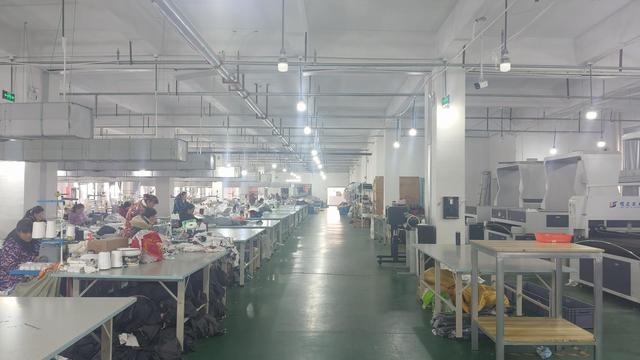
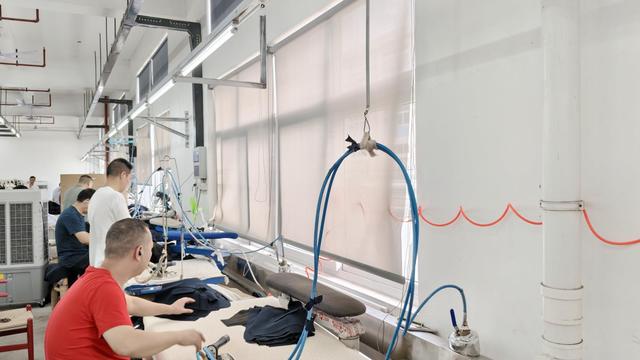
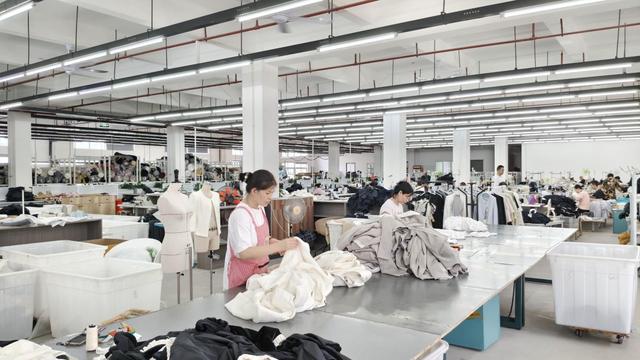
We operate modern production facilities equipped with efficient cutting, sewing, quality inspection, and packaging systems, ensuring consistent product quality and reliable delivery schedules. From fabric sourcing and pattern development to sample creation and bulk production, every stage is managed under strict quality control standards.
Sebs Fashion offers flexible OEM and ODM services tailored to the diverse needs of fashion brands, boutiques, online sellers, department stores, and importers worldwide. Whether clients require small-batch production for new collections or large-scale manufacturing for established brands, we provide scalable solutions designed to support business growth.
Committed to innovation, craftsmanship, and customer satisfaction, Guangzhou Sebs Fashion Co., Ltd. has built long-term partnerships with clients across North America, Europe, Australia, the Middle East, and other international markets. Our mission is to help fashion businesses succeed through reliable manufacturing, competitive pricing, and stylish women's apparel that meets the evolving demands of the global fashion industry.
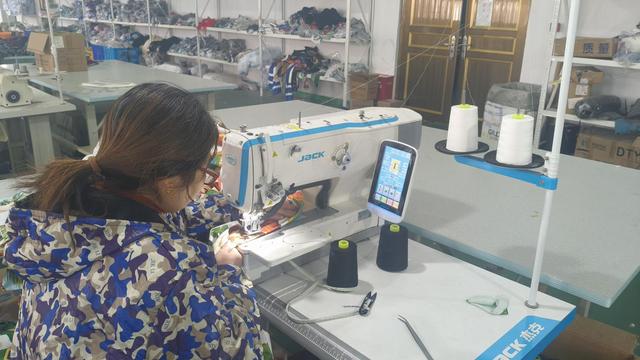
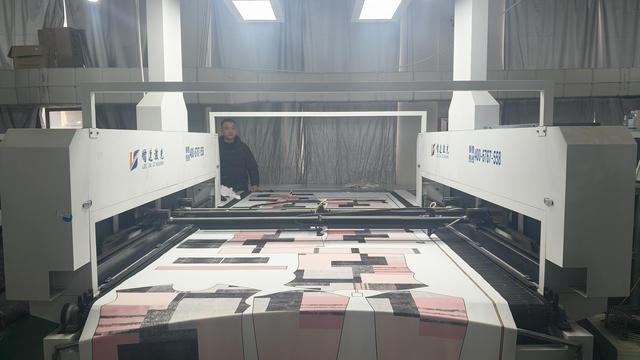
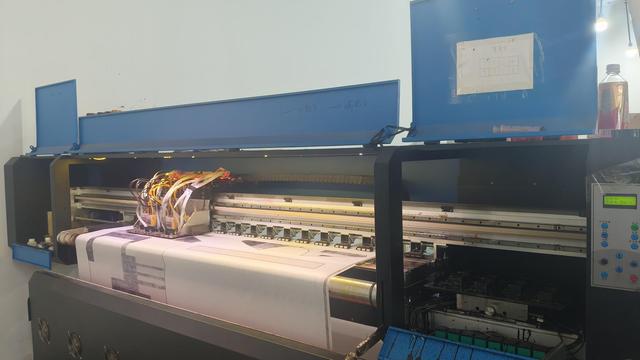
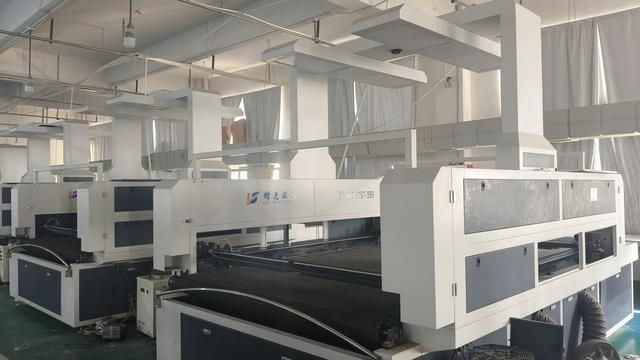
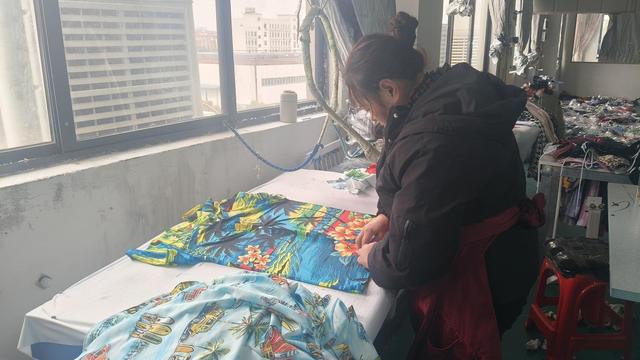
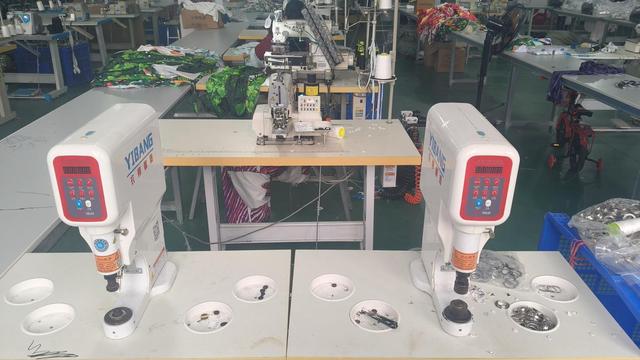
Modern women's T-shirt manufacturing demands high-level engineering. With ESG (Environmental, Social, and Governance) targets driving major brand initiatives, manufacturers must integrate technical solutions directly into their production DNA:
By incorporating pre-consumer and post-consumer recycled cotton and certified rPET (recycled Polyethylene Terephthalate) yarns, manufacturers minimize water consumption and CO2 emissions. The use of closed-loop cellulosic fibers, such as Tencel™ Lyocell and Modal, ensures that materials return safely to nature, significantly reducing microplastic contamination in oceans.
Conventional dyeing methods consume vast amounts of fresh water and generate chemical waste. Modern facilities utilize supercritical CO2 dyeing technology and eco-friendly reactive dyes that require significantly lower temperatures and minimal water. This not only preserves regional ecosystems but also guarantees high colorfastness and zero trace levels of restricted substances (Reach/RoHS compliant).
Utilizing high-end digital nesting algorithms, pattern makers can optimize fabric yields to 90% or above. The remnants are collected and mechanical-recycled back into lower-grade yarns, creating a zero-waste loop at the factory level.
Navigating global customs and distribution networks is critical for maintaining healthy retail margins. Professional exporters provide comprehensive compliance solutions that ease international trade friction:
Leading exporters strategically route documents and leverage country-of-origin rules to minimize duty impacts. Understanding complex frameworks like the RCEP, EVFTA, and USMCA allows brands to select the most tax-efficient manufacturing locations.
Garments intended for markets like the US, EU, and Australia must comply with localized safety standards. This includes the Consumer Product Safety Improvement Act (CPSIA) in the United States, REACH chemical regulations in Europe, and labeling laws requiring precise fiber identification, country of origin, and care instructions.
Top-tier exporters offer end-to-end trace tracking by integrating with third-party logistics (3PL) systems. This provides enterprise buyers with real-time updates from container loading at local ports to arrival at target distribution centers, preventing unexpected delays.
The apparel manufacturing sector is shifting from labor-intensive setups to technology-driven operations. Over the next five years, key technological integrations will redefine how custom women's T-shirts are developed, manufactured, and distributed:
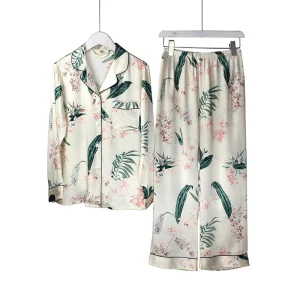
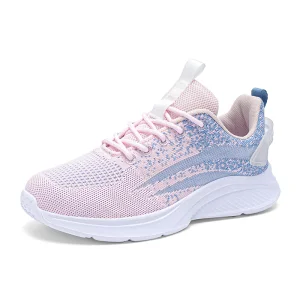
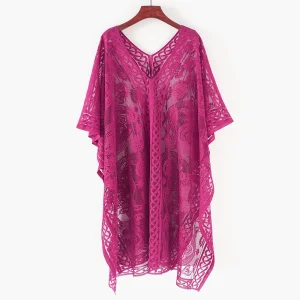
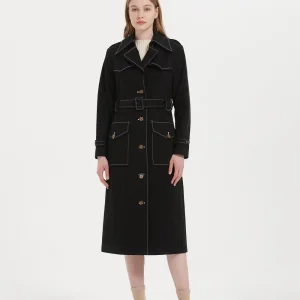
Browse our curated selection of high-demand fashion exports, including activewear, winter coats, and custom accessories.
 Sebs Fashion